![You won't achieve greatness as a guitar player without being part of a band.]](https://backingtracksfullcollection.com/wp-content/uploads/2026/03/You-wont-achieve-greatness-as-a-guitar-player-without-being-758x426.jpg "You won't achieve greatness as a guitar player without being part of a band.] 1")
So we’re wrapping up Mr. Brightside when the bass player gives me that look again. I’ve already come to recognize it: the furrowed brow of a man finding dog-shit on his Persian rug. Something isn’t quite right. He nods at my amp.
“How much reverb have you got on there?” I check the dial: “Erm… all of it.” A shake of the head: “We can’t hear anything you’re playing. It’s just soup. Go on, take it off.”
Article continues below
At this volume it feels obnoxious – like I’m proudly shouting this cacophony from the rooftops, with a Vegas-style neon sign above my head: “I am a crap guitarist! Hear me roar!”
Let’s run it again anyway. ‘Coming out of my cage and I’ve been doing just fine’… Oh God; it’s the look again: “You’re just a touch off the beat.” Somebody remind me why I’ve joined a band. It’s unbearable. It’s intolerable. No wonder all those black-metallers murder each other.
I could have stayed in the lovely, safe womb-cocoon of my home guitar room, where I’ve spent the past decade, playing to backing tracks, recording the odd thing and polishing it until I’m satisfied, with nobody to question whether that intro really needs a ping-pong delay.
Seems I’m not alone. “Nobody wants to be in bands any more – everybody wants to be a singer-songwriter,” reckons Noel Gallagher of Oasis. “The band thing is dying out. Everybody’s got a home recording studio on their iPhone now.”
Here’s the thing, though: as a fan, I warm to bands far more than solo artists. I love the whole “us-against-the-world” thing; the “take-a-bullet-for-each-other” thing. On the flipside, it leaves me cold to think of Harry Styles peeling dollars off a roll as his sessioners tramp for the exit come 5pm.
So a few months ago, when a local covers band advertised for a second guitarist, I thought, “Well, it couldn’t hurt…” It did hurt.
People talk about the catharsis of playing guitar in a band – the soul-cleansing benefits of blasting out a rock anthem with live drums and bass behind you. And it is cathartic, when it goes well. But the reverse is also true.
To play badly at band practice – or, even worse, the gig – is a festering psychological pustule that’ll leave you driving home in a daze, hating yourself and your meagre talent, wanting to feed your stupid, fumbling fingers to a pack of stray dogs.
It literally hurts too. As a stay-at-home guitarist you can get flabby. Thumb getting a little sore halfway through the backing track? Just stop playing. Don’t worry about it. Of course, you can’t do that in a band. Stopping is the cardinal sin.
After years of plateauing, I’ve noticed my guitar playing take the greatest leap forward since school
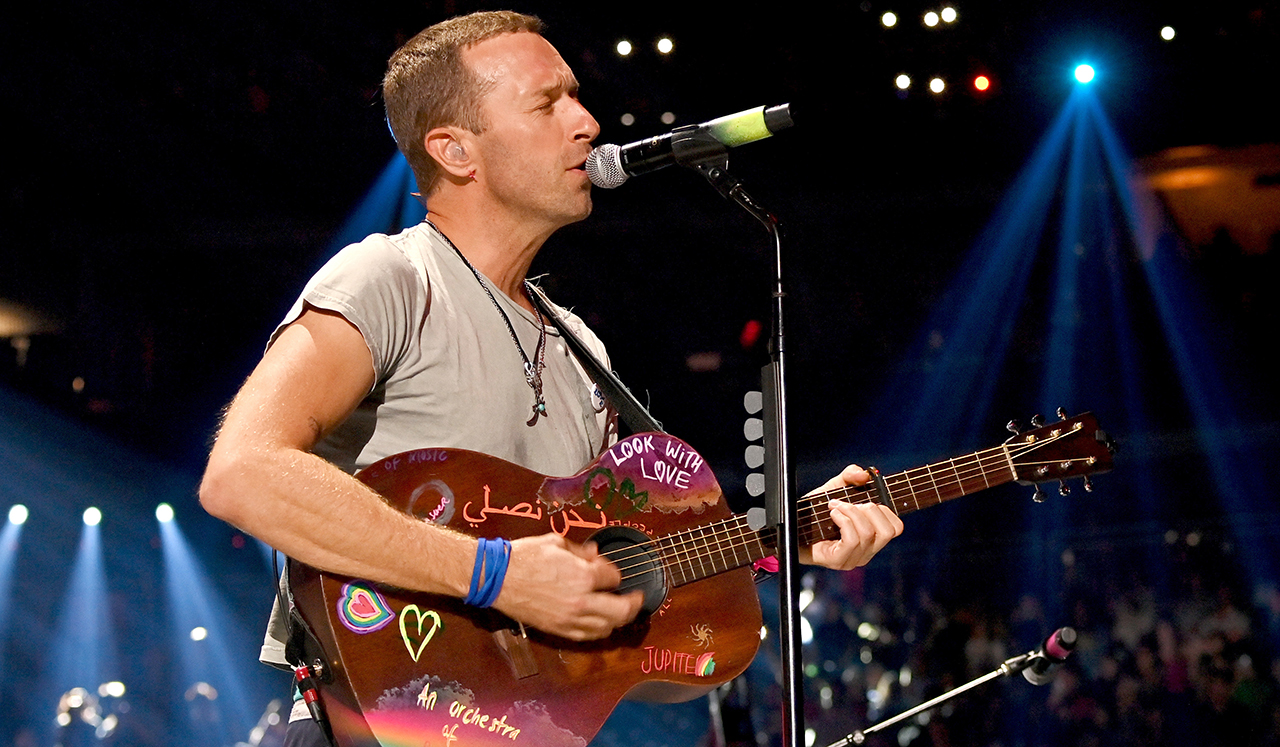
I used to snigger when people called Coldplay “bedwetters.” Not any more. After playing the acoustic part for Yellow six times on the trot, I salute Chris Martin as a man with the vice-like grip of a Bond henchman. If I were him, I wouldn’t write “Make Trade Fair” on my left hand. I’d have: “Please kill me now.” Some nights, honestly, it looked like a dead crab by the end of the session.
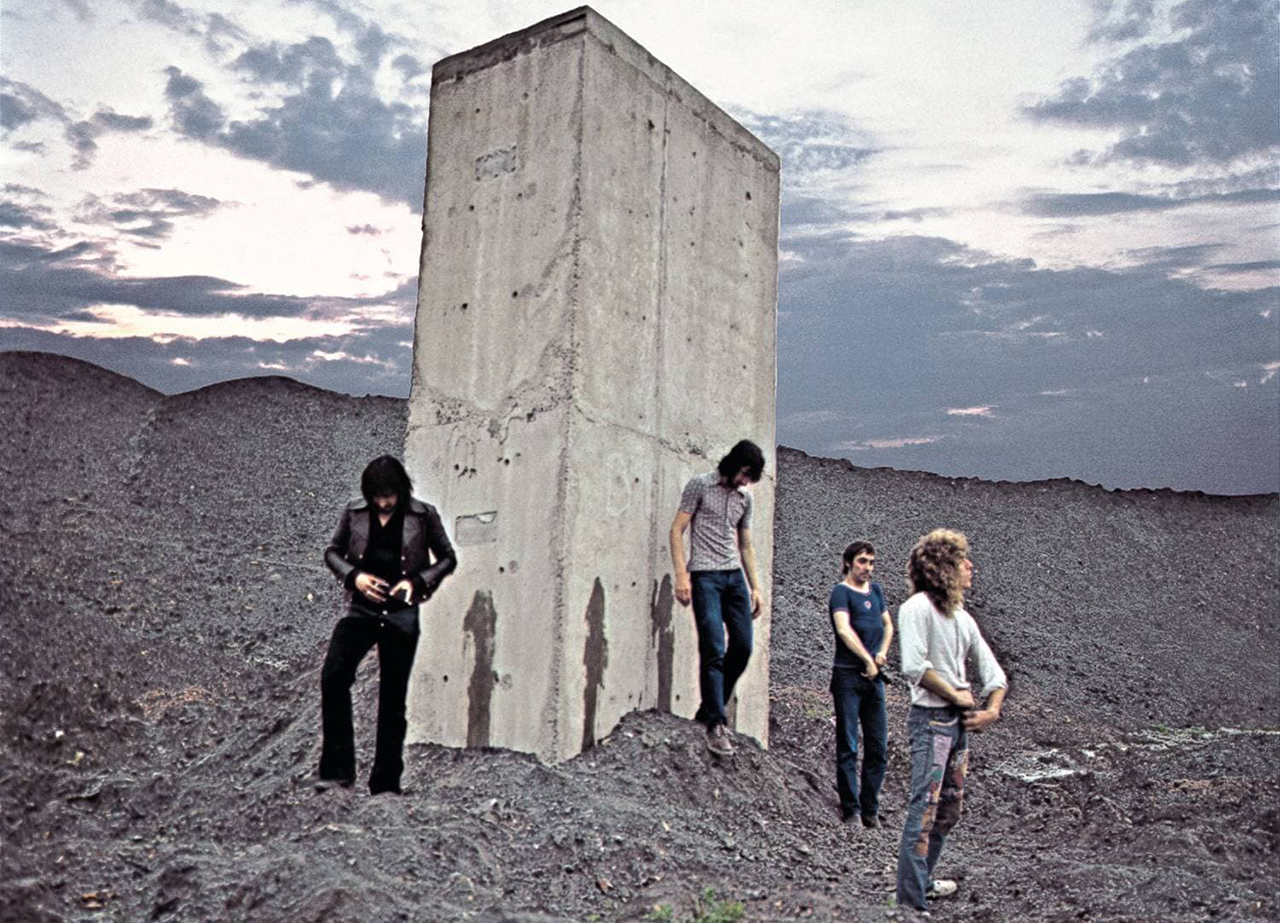
But rock ’n’ roll can surprise you. At some unspecified point, I stopped looking for an acceptable reason to quit and started to absolutely love being in a band. Of course, it’s that camaraderie; pulling together towards a common goal and feeling like The Who on that album sleeve where they’re all pissing against the monolith.
But more tangible is that, after years of plateauing, I’ve noticed my guitar playing take the greatest leap forward since school. My bandmates were right – over those lost years, reverb had become my crack cocaine, my indulgence creeping up until everything was slathered in a glacial sheen, and sounded like Interpol trapped in Tile Warehouse.
With less of it, I’ve been forced to get neater and tidier, no longer clonking between positions or hitting strings I didn’t mean to.
My hand is getting stronger. My timing’s better too. I’m starting to understand the push ’n’ pull that people talk about with the Stones: how sometimes each member’s contribution has to be dead on the nose, but other times you can let it breathe like a conversation.
There are benefits to trying someone else’s setlist: new chords, different strumming patterns, fresh inspiration
I wouldn’t always choose the covers we play (we do She’s So Lovely by Scouting For Girls, for Christ’s sake). But there are also benefits to trying someone else’s setlist: new chords, different strumming patterns, fresh inspiration.
The bass player, now a great friend, has a points system. When you play guitar at home on your own, he says, you get one point added to your lifetime tally as a musician. When you practice with a band, that’s two points; while performing with the band earns you five.
So if you’re serious about supercharging your playing – and rediscovering what rock ’n’ roll is all about – power down your DAW and pile into the nearest sticky-floored rehearsal space.