![Guthrie Trapp challenges the trend of vintage guitar popularity.]](https://backingtracksfullcollection.com/wp-content/uploads/2026/03/Guthrie-Trapp-challenges-the-trend-of-vintage-guitar-popularity-758x431.jpg "Guthrie Trapp challenges the trend of vintage guitar popularity.] 1")
Versatile session ace Guthrie Trapp has never fully bought into the idea that vintage guitars are inherently superior. But after more than two decades working in Nashville, he says he’s learned exactly what separates a merely good instrument from a great one, regardless of when it was built.
Trapp may often be typecast as a country player, but the guitarist — frequently seen with a Telecaster in hand — has long worked to shake that label. Along the way he’s earned praise from heavy hitters including Billy Gibbons, who calls him “off the chain,” as well as Vince Gill and Mike Gordon of Phish.
Those wide-ranging experiences have taught him plenty about his own playing—but they’ve also helped him identify what truly matters in an electric guitar.
Article continues below
“As I get older, I realize that it is amazing to pick up an instrument that was made where the wood is really dry, and they cared about building instruments back then,” he tells Zak Kuhn when asked about vintage guitars. “Also, the fact that there’s some character there.
All you’re trying to do with gear is get to the point where you’re not thinking about the limitations of it.”
— Guthrie Trapp
“Newer instruments can have some character. They just have to be beaten a little bit — played and worn in. The feel of something that’s brand new and shiny is not necessarily ideal to me, but I’m not a cork sniffer.”
For Trapp, the definition of a great guitar is brutally simple.
“What I always say about gear is, all you’re trying to do with gear is get to the point where you’re not thinking about the limitations of it,” he explains.
“So when you actually go to make music, you’re not worried about, ‘Oh, well, I love that guitar, but I can’t play it on the 12th fret because it’s going to roll off the fingerboard,’ or whatever it is.
“If you’re saying, ‘It’s a good guitar, but this’… then it’s not a good guitar. It’s like somebody saying, ‘That restaurant’s great, but the food sucks.’”
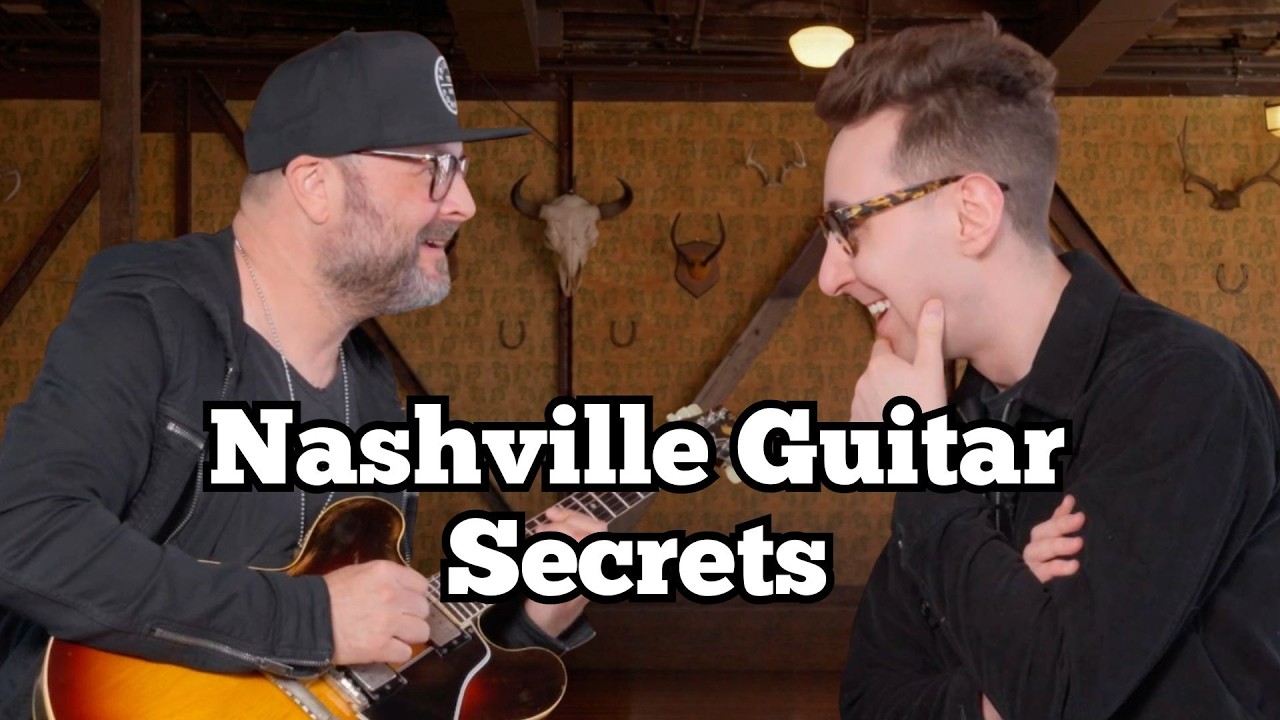
You won’t find Trapp chasing specific production years or insisting that ’59 PAFs are the Holy Grail of tone. But he is selective about the guitars he plays— and for good reason.
With age, he admits, his tastes have only grown more refined, and like many seasoned players he’s become increasingly picky about which instruments deserve his time.
What I look for in a guitar is the point of contact — where the string hits the actual frets. Do you get a nice, solid note everywhere? Is the action comfortable?”
— Guthrie Trapp
“What I look for in a guitar is the point of contact — where the string hits the actual frets,” he says. “Do you get a nice, solid note everywhere? Is the action comfortable?
“Are you able to bend that string up and down the fingerboard without it feeling like it wants to slip out from under your fingers? And the lighter the weight, the better, for the most part.”
Vintage guitars have become an obsession for many collectors and touring players alike, with some guitarists building entire reputations around tracking down rare instruments.
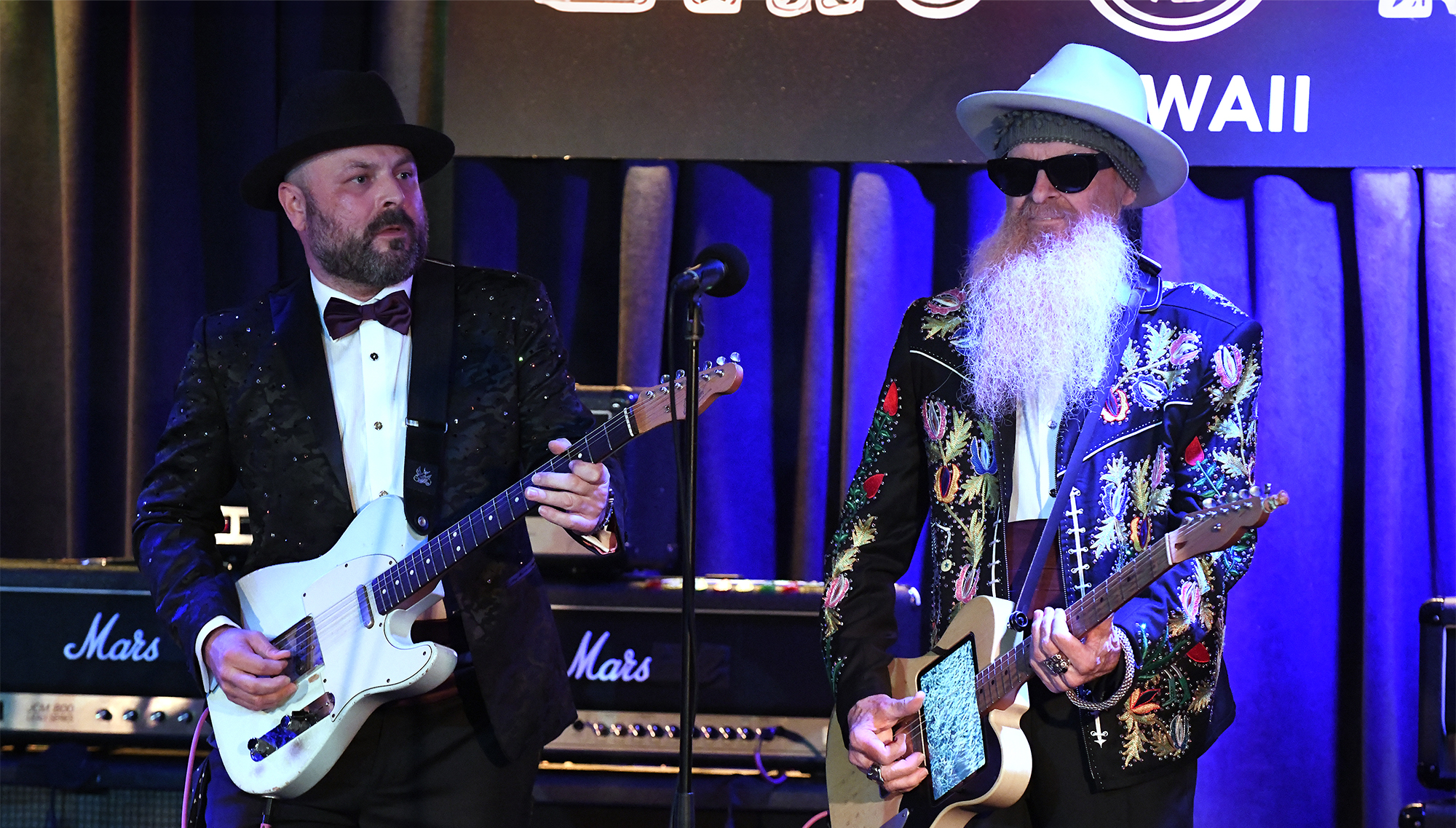
So while players like Joe Bonamassa obsess over vintage finds and dream of uncovering relics under staircases, Trapp puts his energy elsewhere — focusing on feel, playability and the physical connection between player and instrument.
Away from the guitar itself, he has also demonstrated his distinctive picking technique, which he believes is key to both speed and tone. Once again, it comes back to the same principle: the contact point between player, string and instrument.
And judging by his résumé, the approach is working just fine.