!["Don Henley Commends Eagles Bandmate Glenn Frey for Crafting Iconic Lyrics in Hotel California and Desperado"]](https://backingtracksfullcollection.com/wp-content/uploads/2026/03/Don-Henley-Commends-Eagles-Bandmate-Glenn-Frey-for-Crafting-Iconic-758x426.jpg "\"Don Henley Commends Eagles Bandmate Glenn Frey for Crafting Iconic Lyrics in Hotel California and Desperado\"] 1")
In the ’70s, the Eagles declared that the key to their phenomenal success could be summed up in two words: “Song power.”
The main source of that power was the partnership between founder members Don Henley and Glenn Frey – the group’s principal lead vocalists and songwriters.
In the Eagles’ first golden run, from their self-titled debut album in 1972 to The Long Run in 1979, Henley and Frey sometimes wrote with other members of the band: with guitarists Don Felder and Joe Walsh on Hotel California and Life In The Fast Lane respectively; with bassist Randy Meisner on Take It To The Limit; and with Meisner’s replacement Timothy B. Schmit on I Can’t Tell You Why.
Article continues below
Sometimes they worked with songwriters and close friends from outside of the group: Frey writing debut single Take It Easy with Jackson Browne; Frey and Henley collaborating with JD Souther on Best Of My Love, New Kid In Town and Heartache Tonight, the latter also credited to Bob Seger.
And sometimes it was just Frey and Henley together, penning classic tracks including One Of These Nights, Tequila Sunrise, Desperado, The Long Run and Lyin’ Eyes.
In 2001, Frey and Henley gave interviews to Classic Rock magazine alongside Walsh and Schmit, in which they talked about songwriting and success.
Frey was in playful mood when asked to define the roles of each band member.
“Oh, that’s easy!” he said. “I’m the rhythm guitar player, piano player and arranger. Joe is the lead guitar player. Timothy is the high-singing bass player. And Don is the drummer, the main singer and the lyric police.”
The latter point about Henley was confirmed by Schmit.
“I can tell you a little story,” he said. “One time, before we recorded Hell Freezes Over [the band’s live reunion album, released in 1994], I went over to see Don and Glenn and we had the basic idea for a song, People Can Change.
“I had a whole legal pad full of ideas, and you know how your second grade teacher used to take a red pen to mark your work and cross things off? That’s what Don did!”
He added with a shrug: “I didn’t take offence to it. He’s good at what he does.”
Henley admitted that Schmit’s story was true, but said in his defence: “What I learned about lyrics, and rejecting lyrics, I learned from Glenn and JD Souther and Jackson Browne. So they made me the opinionated prick that I am today!
“Now Glenn’s pretty good at policing lyrics himself. Sometimes I will defer. We all get too close to things to see them sometimes, and it’s great to have him come in, if I get stuck he’s great at unsticking.
“He wrote some of the best parts of Hotel California and Desperado too. I get credit for a lot of that, but the fact is that he wrote some of the pivotal lines that I wouldn’t have thought of in a million years. He’s a great at arranging, too. His nickname is ‘The Lone Arranger’.”
It was in the ’70s that the Eagles were at their peak artistically and commercially, and it was Henley’s belief that ’70s music had aged better than ’80s music.
“I think the ’70s has been unfairly maligned,” he said, “and time will tell. Of course there was a lot of crap in the ’70s. There’s a lot of crap in every decade. I don’t think the ’80s was any great shakes either. Or, certainly, the ’90s…”
Like Henley and Frey, Joe Walsh had enjoyed a successful solo career outside of the Eagles, of which he said: “When you’re pursuing a solo career, it expands your perspective and such. But you know, there’s a lot on your shoulders when you’re in charge of hiring and firing.
“There’s a lot of non-musical stuff that comes along with it. And it makes your solo career a little lonelier than when you have the security of a band.”
Assessing the Eagles’ place in American culture, Don Henley stated: “We wrote the soundtrack to a lot of people’s lives. There’s an association with our music with some of the best times in their lives. That’s good.”
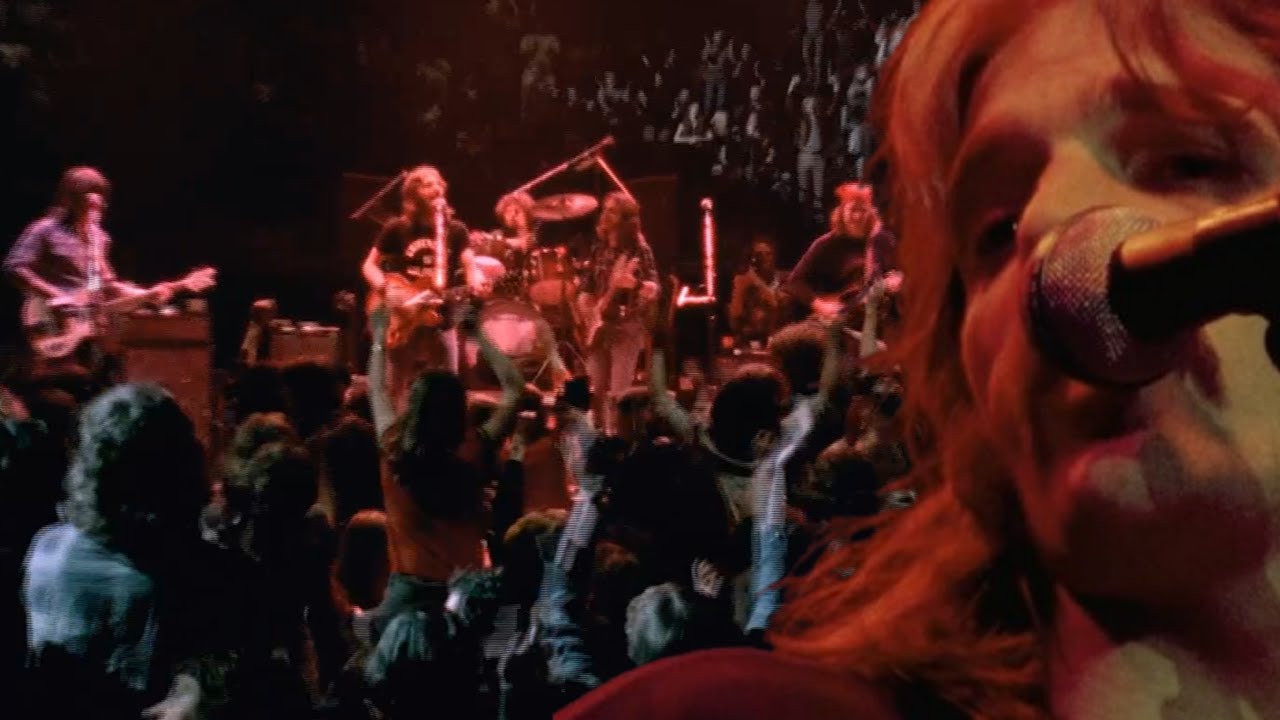
Glenn Frey added: “The band broke up in 1980, but they kept playing our music. They started classic rock radio stations and the Eagles never left.”
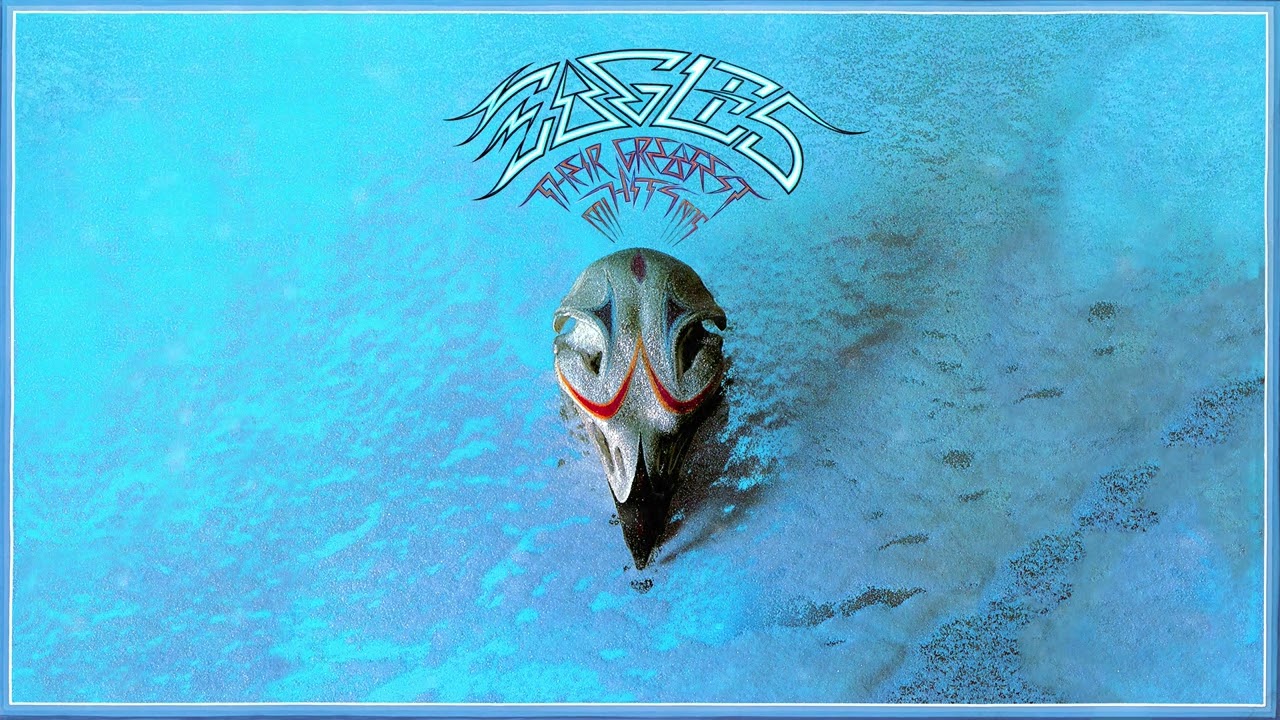
Frey spoke with pride of the fact that the Eagles had the biggest selling album of all time in America with Their Greatest Hits (1971-1975):
“That feels pretty good,” he smiled. “You know, don’t wake me up!
“These are things that come with time – these record sales and achievements. And they’ll all be eclipsed by somebody else. But nonetheless, it’s a hell of a lot of records! So that part is great.”