![Ritchie Blackmore Discusses the Musician with Whom He Shared the Deepest Bond]](https://backingtracksfullcollection.com/wp-content/uploads/2026/04/Ritchie-Blackmore-Discusses-the-Musician-with-Whom-He-Shared-the-758x424.jpg "Ritchie Blackmore Discusses the Musician with Whom He Shared the Deepest Bond] 1")
The rock pantheon is full of talented but notoriously difficult musicians — Axl Rose, Pete Townshend, Lou Reed, Gene Simmons, and the Gallagher brothers among them.
And then there’s Ritchie Blackmore. He was the driving force behind Ian Gillan and Roger Glover’s departure from Deep Purple and famously dismissed everyone from Rainbow’s original lineup except Ronnie James Dio.
As Blackmore once told Guitar Player about his string of firings. “I’ve never fired anyone from Rainbow who was doing a really good job. Let’s keep it at that.”
Yet one bandmate managed to earn and keep Blackmore’s respect: Jon Lord, Deep Purple’s founding keyboardist.
Blackmore first met Lord through Chris Curtis, drummer for the British band The Searchers. Curtis was assembling a group that would later become Deep Purple — although his eccentricities were immediately apparent.
“He said, ‘We have Jon Lord,’ and I asked, ‘Who’s on bass?’ He said, ‘I am.’ So I said, ‘Who’s on drums?’ and he said again, ‘I am.’ Then he added, ‘I’m also playing first guitar — you’re second guitar.’
“That’s how Deep Purple started,” Blackmore recalled with a laugh.
“I said to Jon, ‘This Chris Curtis… he’s a bit of a strange guy, right?’ and Jon just said, ‘Yes.’ From then on, Jon was probably my best friend in the band.”
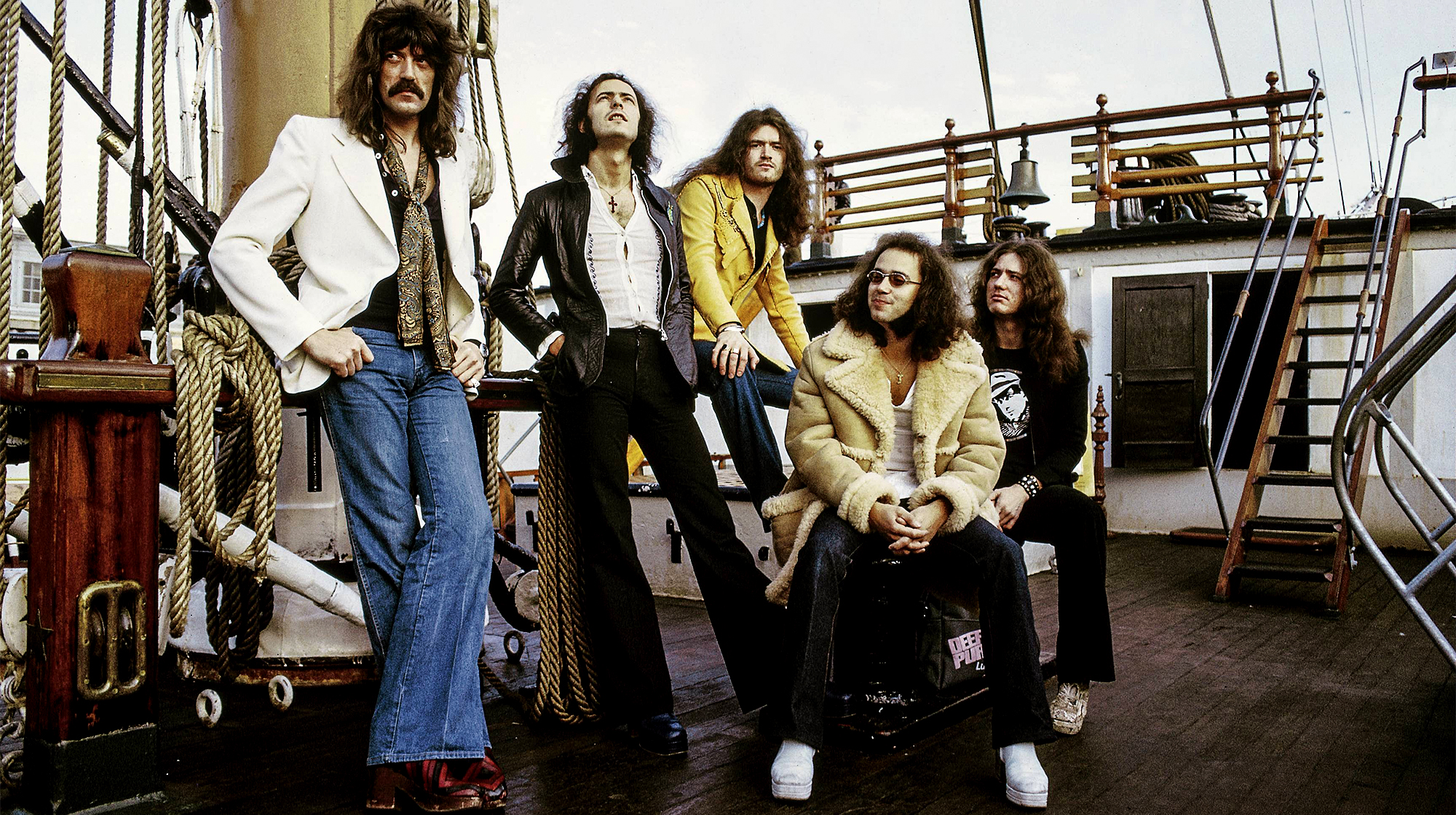
Blackmore admired Lord’s warmth and charm.
“He was a very affable man. He had a talent for getting along with everybody. If someone asked, ‘Jon, how are you today?,’ he’d always answer, ‘Absolutely fabulous, old chap!’ Whereas my answer would be, ‘I’m in various stages of deterioration.’ So we clicked — black and white.”
We stayed up quite late because we were both too scared to go to bed — the place was haunted, supposedly — so we’d stay up writing songs.”
— Ritchie Blackmore
During the early ’70s, Deep Purple lived at Deeves Hall, a supposedly haunted house in Hertfordshire, and later stayed at Clearwell Castle while recording Burn (1973–74). Blackmore remembered those long nights vividly.
“We stayed up quite late because we were both too scared to go to bed — the place was haunted, supposedly — so we’d stay up writing songs.”
He also admired Lord’s deep musical knowledge and gift for orchestration — though that, ironically, is what caused tension between them.
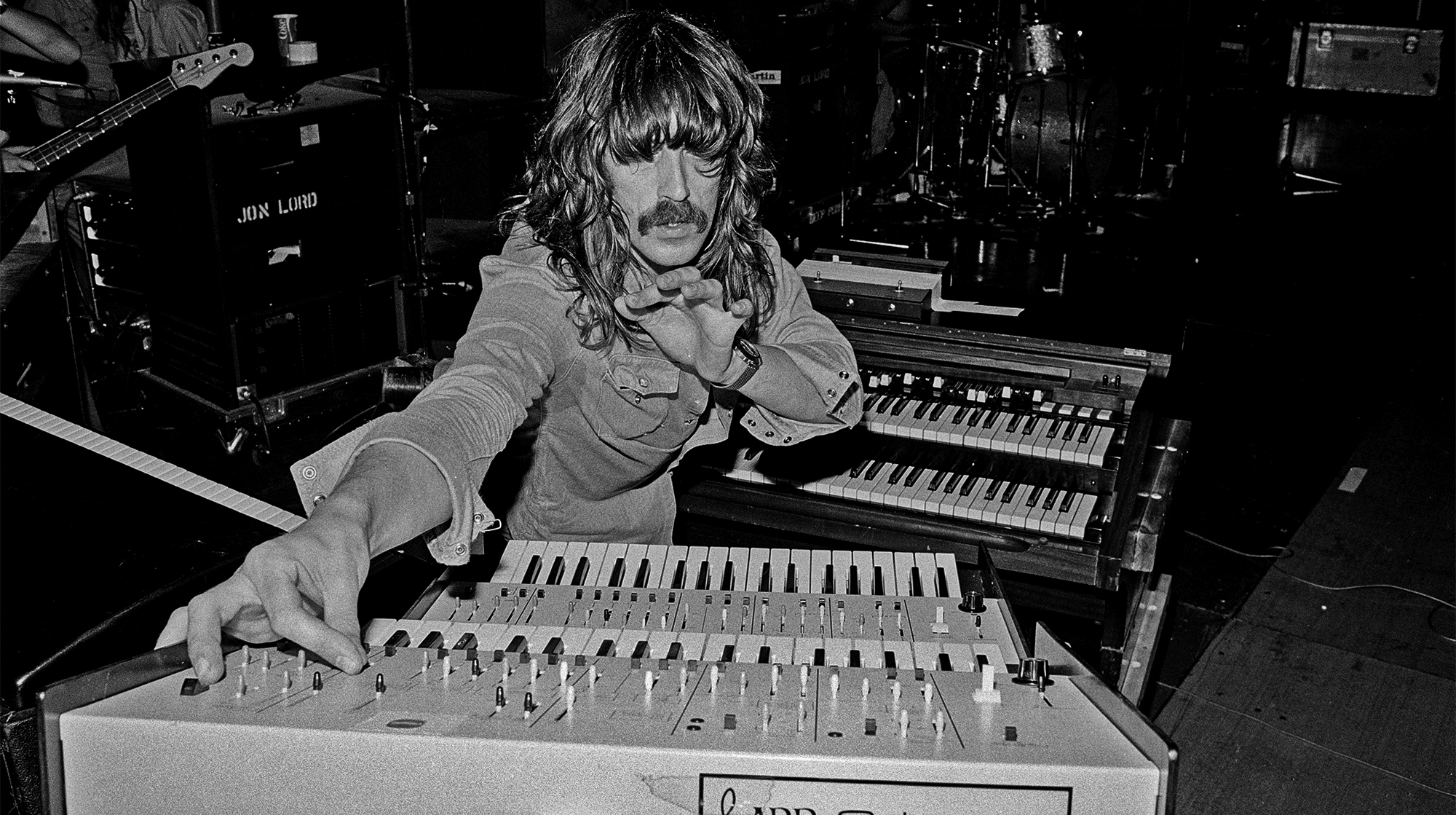
“I felt he was giving too much effort to his orchestrated pieces, which I didn’t particularly like playing,” Blackmore said. “We had a big row. I told him if he didn’t spend so much time writing for the orchestra, we’d have more songs to play together for the band.”
It hit me more than I thought it would. It was very difficult to play that particular tune on stage without becoming emotional.”
— Ritchie Blackmore
Their falling out lasted six months before they reconciled.
“Toward the end of his life, we were very close,” Blackmore said. “We would often go out to dinner — my wife Candice, Jon, and me.”
When Jon Lord died in 2012, Blackmore was deeply affected.
“It hit me more than I thought it would,” he admitted. He went on to write ‘Carry On… Jon’ in tribute.
“It was very difficult to play that particular tune on stage without becoming emotional,” Blackmore said. “This is for Jon.”