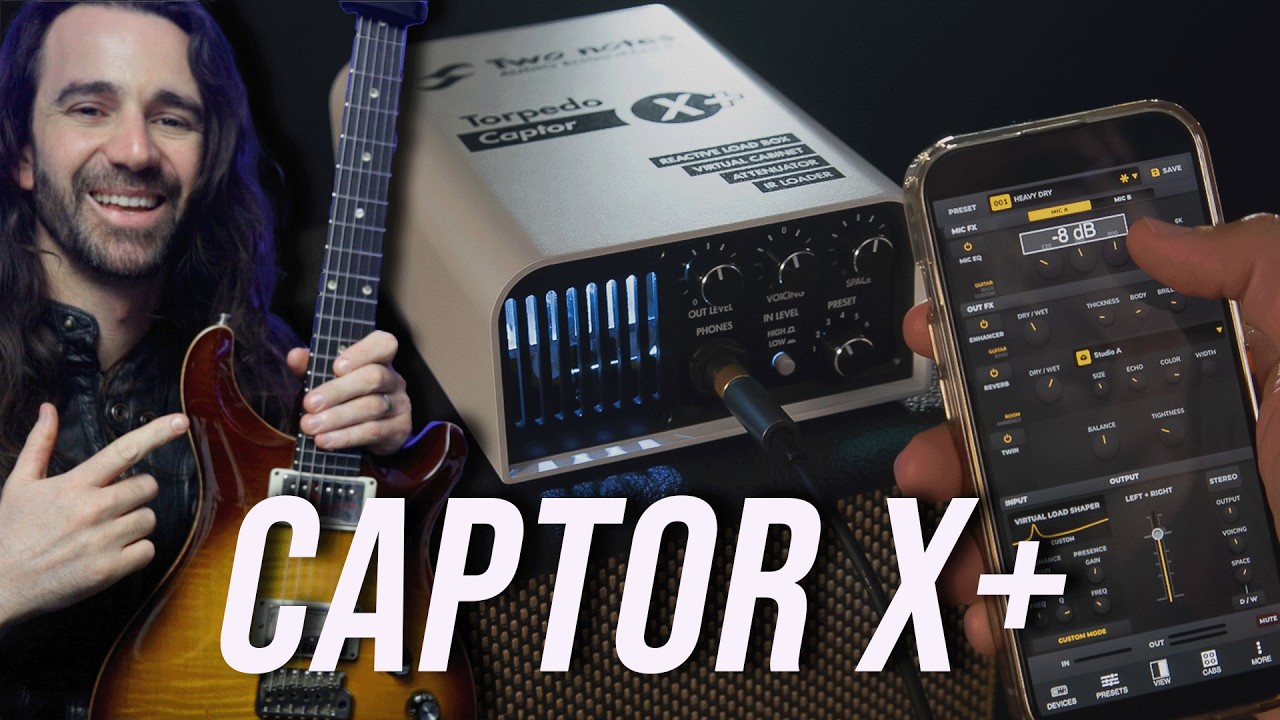
![Review of the Two Notes Torpedo Captor X Plus]](https://backingtracksfullcollection.com/wp-content/uploads/2026/05/Review-of-the-Two-Notes-Torpedo-Captor-X-Plus-758x325.jpg "Review of the Two Notes Torpedo Captor X Plus] 1")
You can trust Guitar World
Our expert reviewers spend hours testing and comparing guitar products so you can choose the best for you. Find out more about how we test.
What is it?
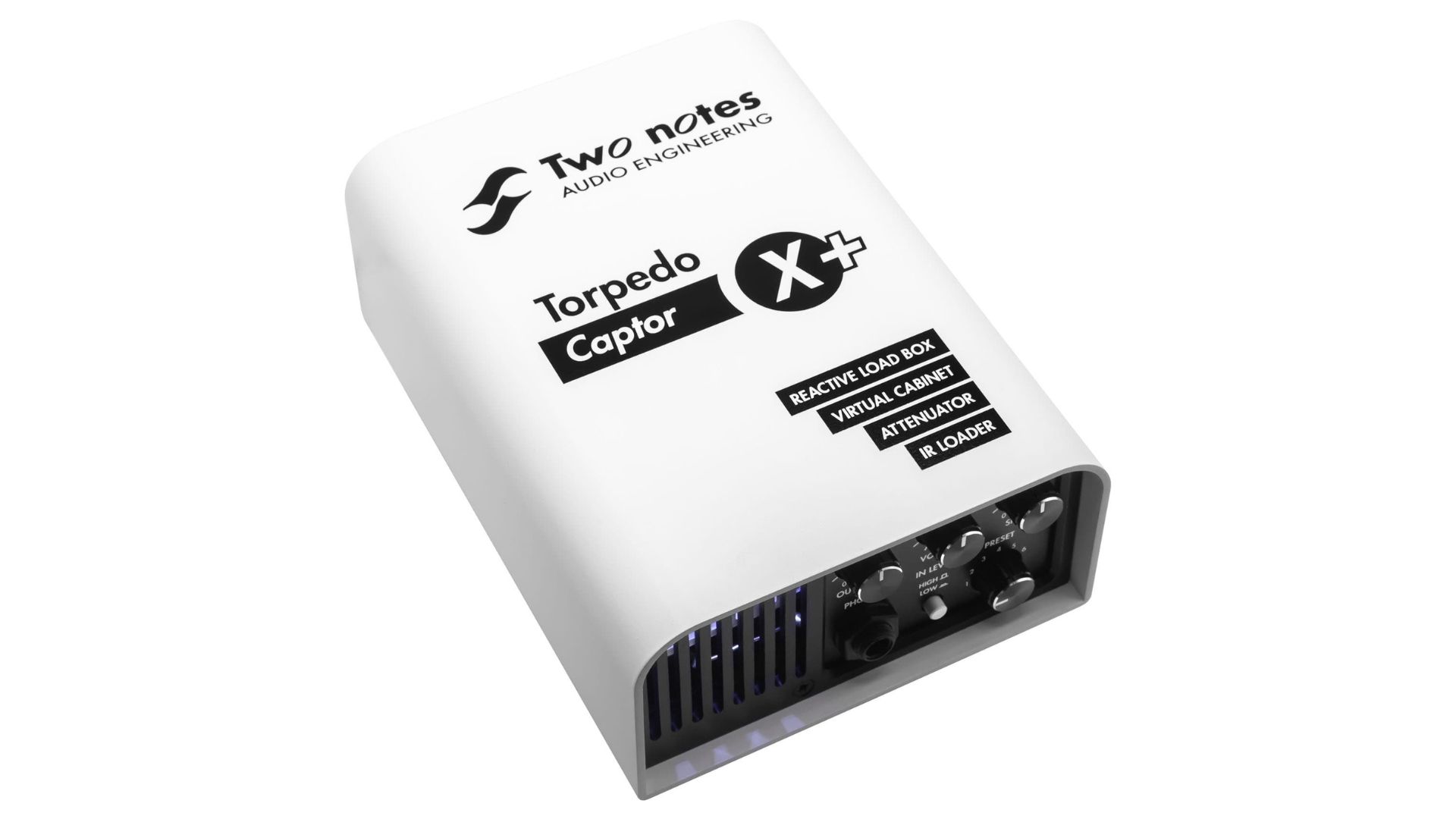
If you’re one of those guitarists who refuse to let go of your tube amp in exchange for an amp modeler, you can make your amp much more usable in low-volume environments with the addition of a load box, or to give it its more modern moniker, a reactive load. The Two Notes Torpedo Captor X Plus is much more than just a simple tube amp attenuator, however, offering a plethora of features and functionality that make it just as useful on stage as it is at home.
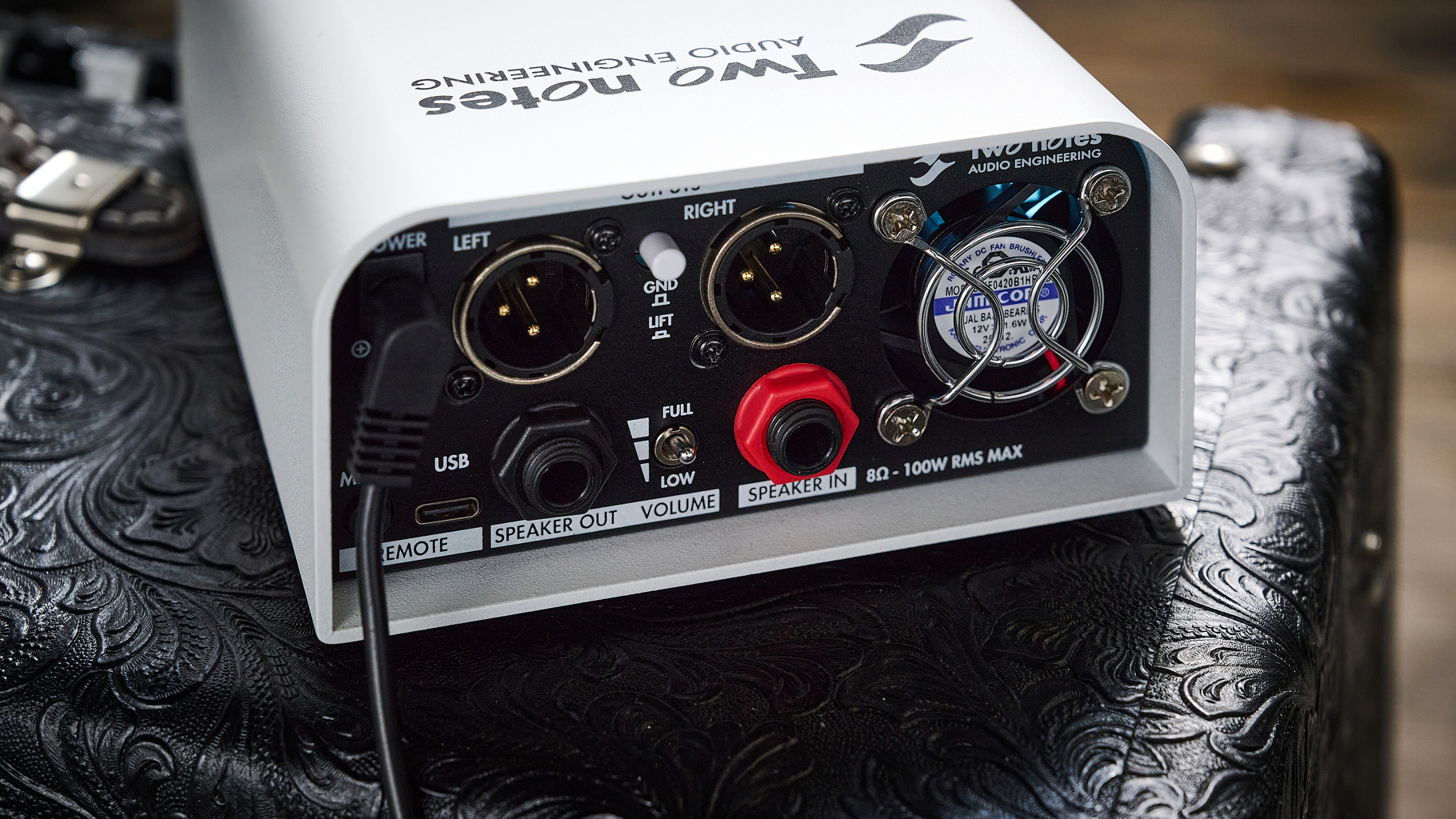
It’s got stereo XLR outputs so you can send direct signals to front-of-house, or into an audio interface for recording, and it also features a headphone output so you can plug a 100-watt tube head in and practice silently. My review model is rated for 8 ohm speakers, but there’s also a 16 ohm version available if that’s what you need for your particular setup.

The original Captor X was released in 2020 and has been a favorite for tube amp users ever since, but there was a definite wishlist of features from players that Two Notes appears to have appeased with this latest version. The original had a fixed reactive load, with a specifically tuned hardware circuit that meant you couldn’t change the ‘feel’ of the amp. This is fixed for the new version with a changeable impedance curve that lets you manipulate how the transformer of the amp responds.
It’s also got true stereo operation, replacing the linked system from the original Captor X. This means you can set up a wet/dry operation, pan each channel independently, and apply differing EQ and post effects to each channel. The addition of a USB-C port is also welcome, and Captor X Plus supports longer static IRs and offers increased memory capacity, with 512 slots available for users to store their own IRs.
Specs
- Launch price: $599.99 | £479 | €549
- Type: Reactive load box
- Origin: China
- Power handling: 100 watts
- Impedance: 8 ohms
- Controls: Out level, Voicing, Space, Preset, Ground Lift, Volume
- Connectivity: Inputs – 1 x 1/4″ (speaker), 1 x 1/8″ (MIDI), Outputs – 2 x XLR, 1 x 1/4″ (speaker), 1 x 1/4″ (headphones), 1 x USB-C
- Power: 12V DC power supply (included)
- Weight: 1.3 kg / 2.9 lbs
- Dimensions: 128 x 175 x 64 mm
- Contact: Two Notes Audio
Build quality
Build quality rating: ★★★★½
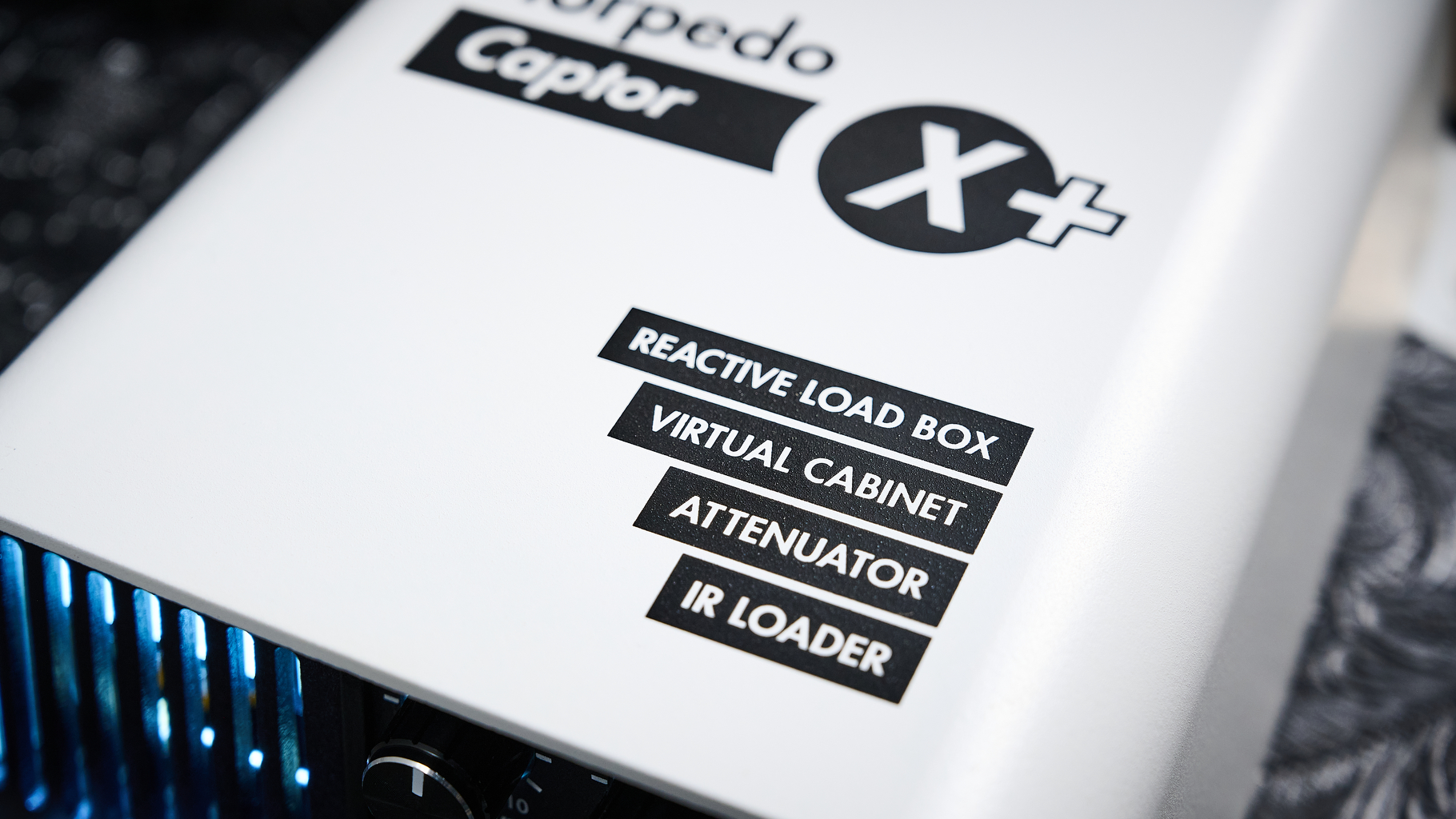
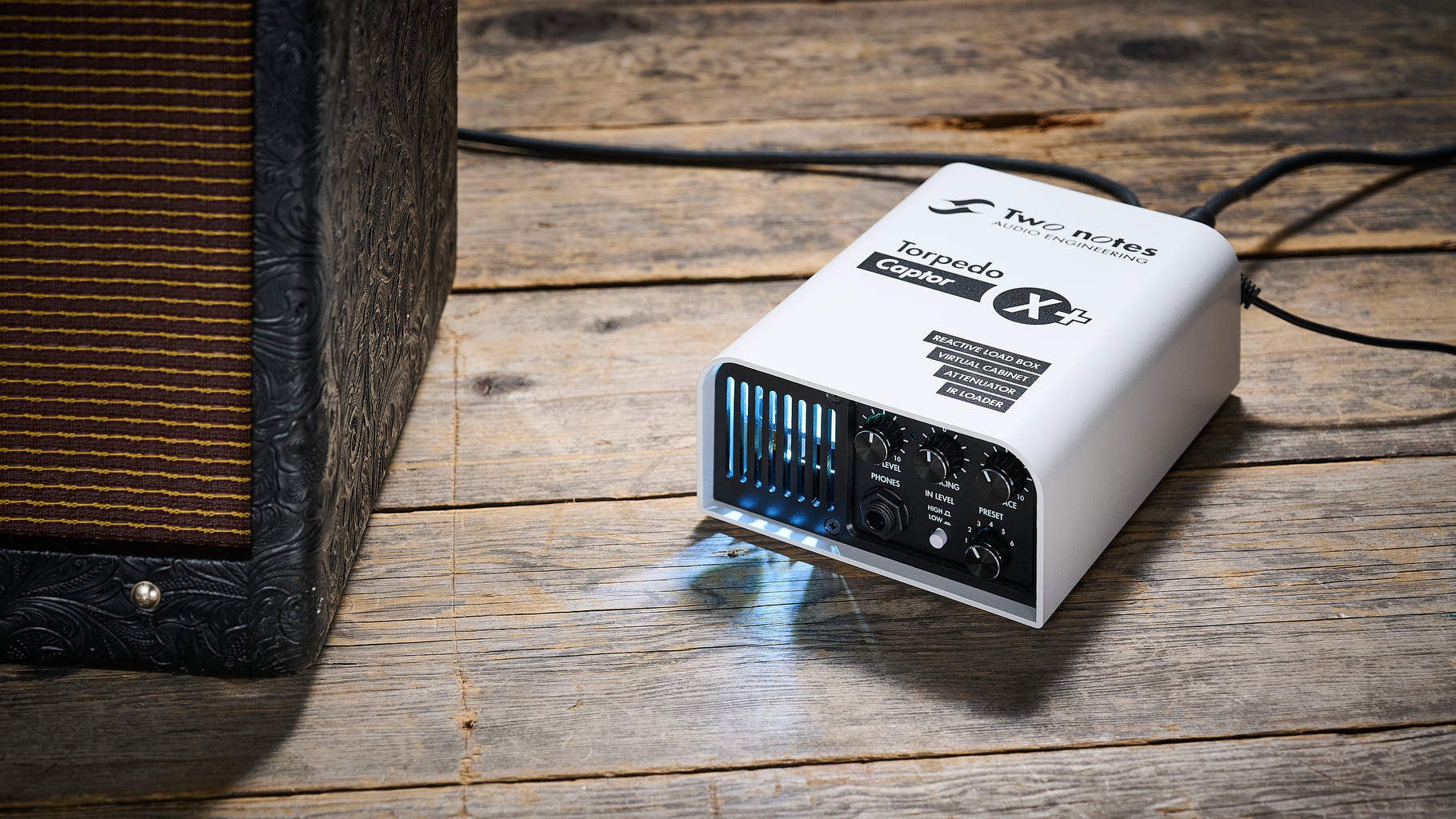
Taking the Torpedo Captor X Plus out of the box, I find it has a decent heft to it, feeling very robustly put together. It’s made from steel, which aids its ability to handle the high temperatures incurred when acting as a load box for a tube amp. It’s got more than a little in common with the DI boxes you might find in studios and on live stages, so I have zero qualms about its ability to put up with abuse.
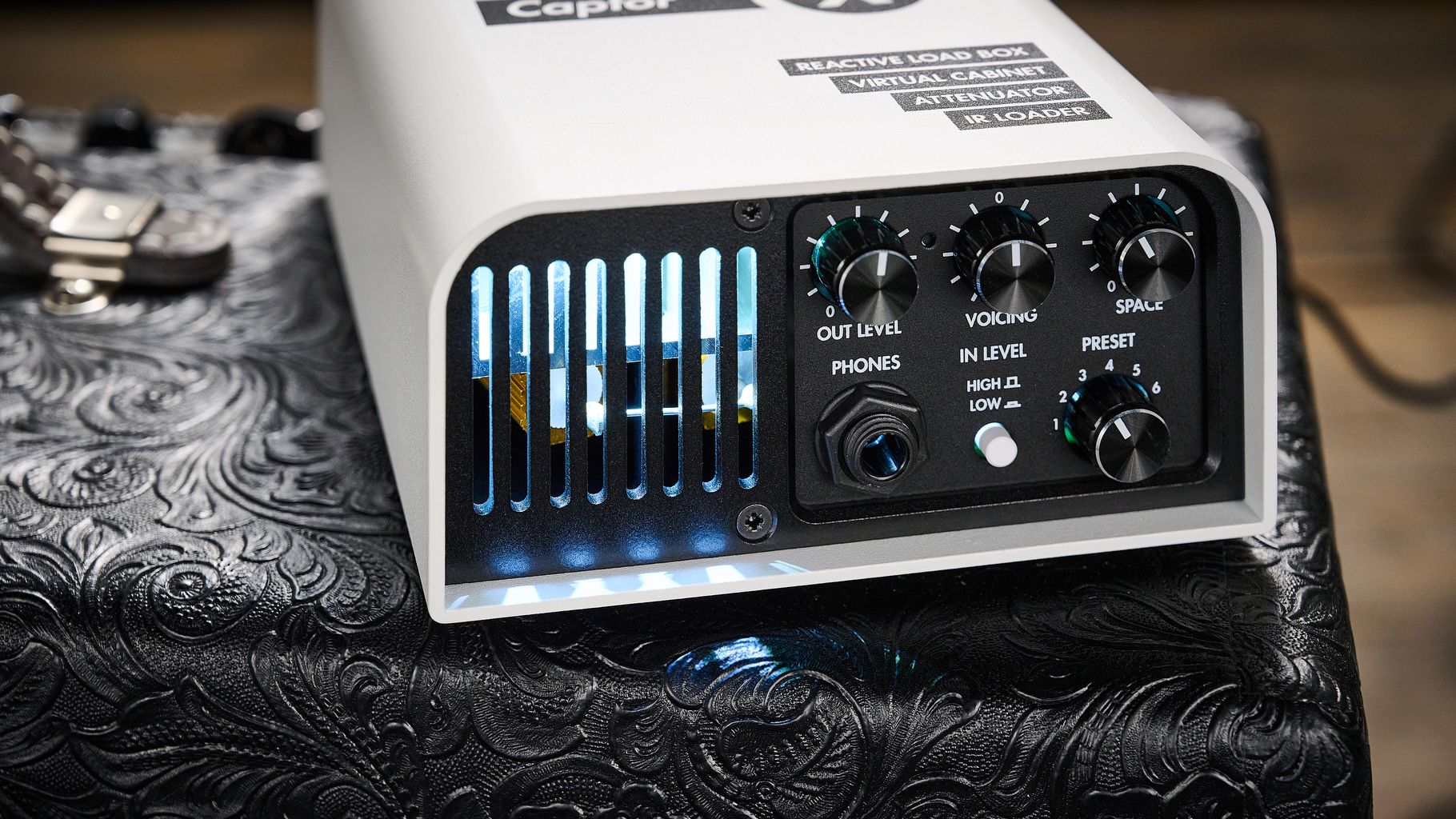
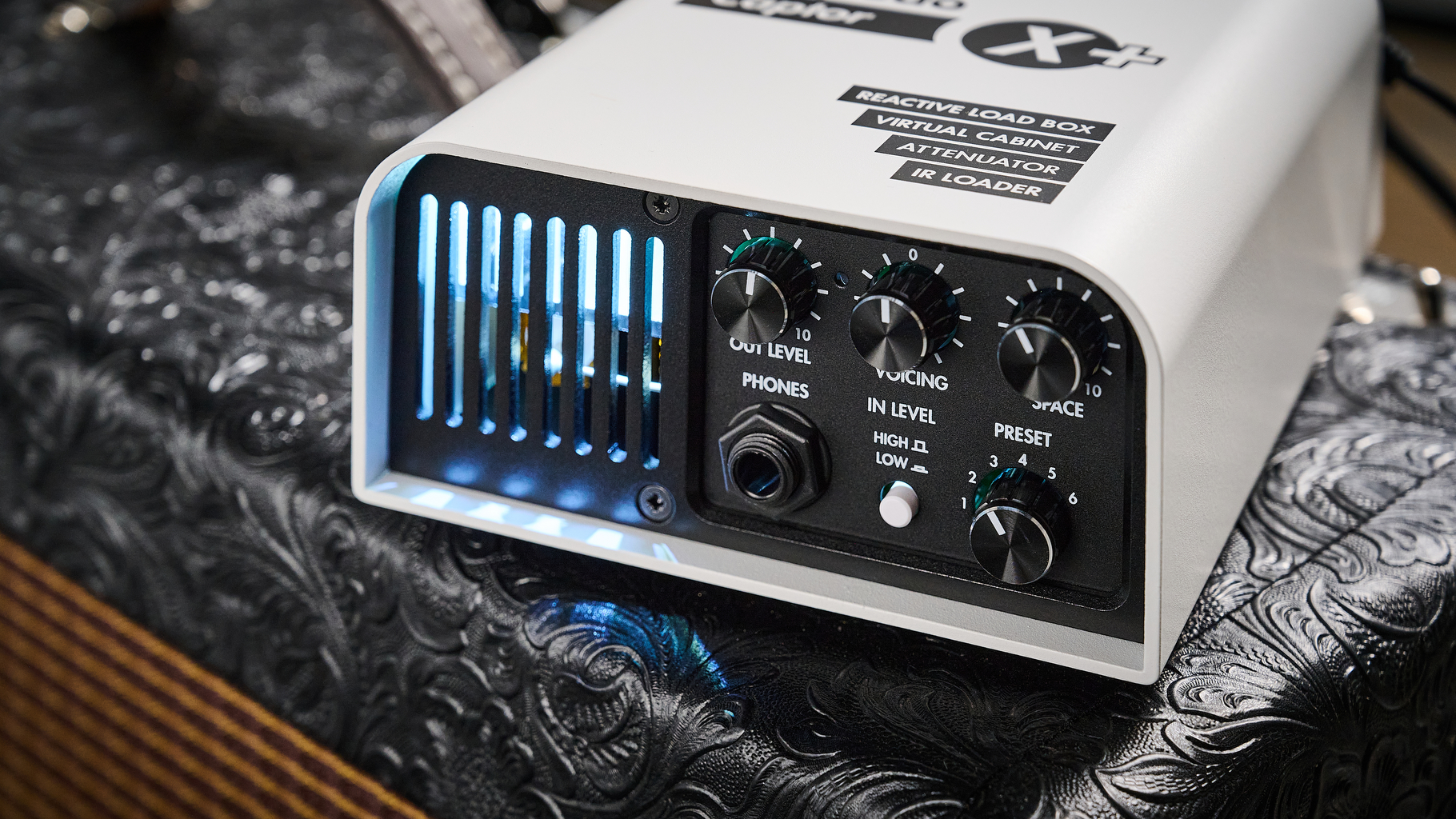
On the front, there are the main controls with output level, voicing, space, and preset knobs for making quick changes. I do find these knobs very small, and in particular, the Preset knob is difficult even for my relatively small hands to manipulate due to its proximity to the outer edge of the casing and its stiff operation. The flip-side to that, of course is that the controls are less precarious in transit and more likely to stay where you put them.
Moving to the back, there’s an array of outputs, a Ground Lift switch, and a small fan to help keep the temperature down. On the bottom of the unit are four rubber feet, which prevent it from going anywhere once you’ve placed it on top of your amp. Combined with the decent weight, I see little chance of it moving around much when using it live.
Usability and features
Usability and features rating: ★★★★½
Starting off with the Captor X Plus in its simplest form, I opt to use it with a Fender Princeton Reverb, taking the built-in speaker cable out and plugging a 1/4-inch speaker cable from the internal speaker output of the combo to the Speaker Input of the load box. I then plug the hardwired speaker cable from the amp itself into the Captor X Plus’ Speaker Output, which allows me to attenuate my amp’s original speaker to a more usable volume.
The next way I can use the loadbox is to remove the speaker output from the Captor X Plus, and put a pair of headphones into the headphone jack in order to get a silent practice tone. This utilizes the onboard speaker emulation, which means you can drastically alter the tone of your original amp by putting it through a variety of different cabinets and microphone combinations.
The simplest way to do this is by changing the controls on the front, with the Voicing knob acting as a global tone control. All the way to the left is brighter while turning it clockwise darkens the tone. The Preset knob allows you to change through six different cabinet sounds, while the Space knob controls the width of whichever reverb is selected on your preset.
Another way to use the Captor X Plus is in conjunction with an audio interface. Using two XLR cables, I connect to inputs one and two of my Universal Audio Apollo X4, and then, opening up Pro Tools and creating two mono tracks, I’m able to get the sound of the amp directly into my DAW. This allows for a lot deeper sound sculpting in conjunction with the onboard sounds, adding compressors and EQs into the mix to tighten everything up.
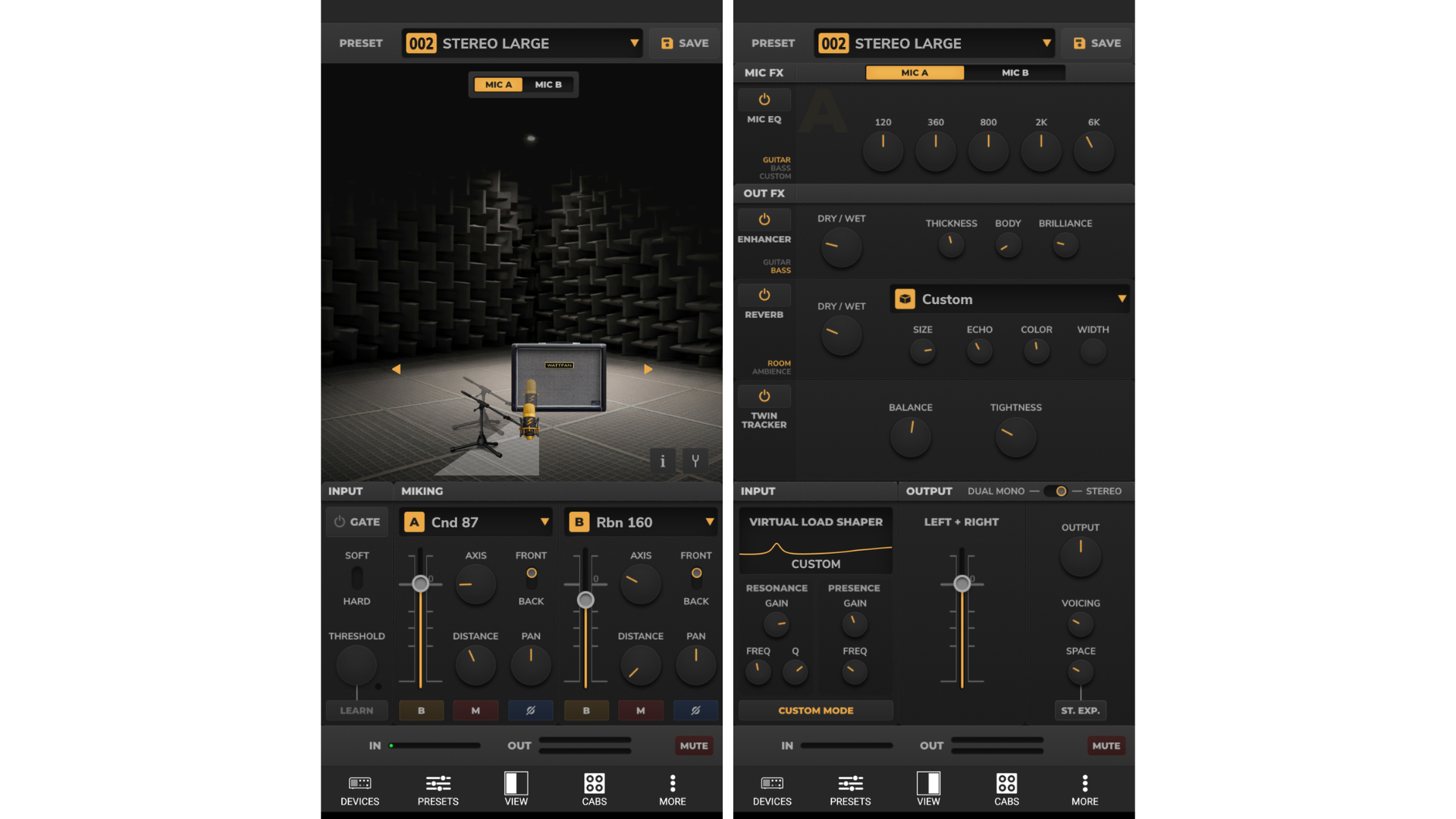
There is also a Torpedo Wireless Remote app, which can be downloaded from the Play or Apple stores to offer wireless control. I download it onto my Google Pixel 9, and after a brief confusion over what it wants from me in terms of the PIN, I’m able to get up and running fairly quickly. Here, I can get deeper into the tweaking of the cabs, changing the mic axis or distance, adjusting the panning, and adding effects to the chain including EQ, reverb, and room ambience. It also features a built-in tuner, which could come in handy in a pinch.
Here I also find more control available on the Virtual Load Shaper, which allows me to change the Resonance and Presence gains, as well as the frequency and Q of the former and frequency of the latter. The idea here is to add a more realistic amp response, typically by adding a bump in the low and high end to add a sense of realism to these simulated tones, making them less flat than the sound of the original Captor X. There are also presets if you don’t want to get stuck in a hole tweaking these settings.
Another clever usage of the Captor X Plus is the ability to send two separate signals from a single guitar amp. The dual mono function is selectable via the Remote, and lets you apply different settings to each signal, which adds usability both for players playing live, and those who are recording and want to split their signals.
Sounds
Sounds rating: ★★★★½
Using it just purely as a load box, the Captor X Plus does sound like my amp, but quieter. When I turn the dial up to 8 on the Volume knob, I’m able to reduce the output from my speaker by flicking the Volume switch down to low on the back of the unit, and eke out some glorious tube saturation at a volume that doesn’t invoke any complaints from my partner working upstairs. The response to picking dynamics is there, and adding some of the amp’s Spring Reverb and Tremolo, it sounds just as glorious as it does when I play it normally.
There’s a bit of a balancing act at play here, though, because the output volume only lets you select between three different settings. This means if I want to crank the volume knob on the amp, it makes the middle volume setting much louder. And vice versa, if I’m playing a clean tone with the amp volume around 3 or 4, the lowest setting becomes too quiet, as there’s not enough flexibility in the volume control. Ideally, I’d prefer it if this were a volume knob that could be more finely adjusted to accommodate the gain from the amp.
When I switch to a silent practice mode with a pair of headphones, there’s a definite change in feel when using the Captor X Plus this way. It’s subtle, but I feel as though it’s ever so slightly softer in its response to my pick attack, like there’s a layer between me and the amp, which makes sense as that’s what the Captor X Plus is.
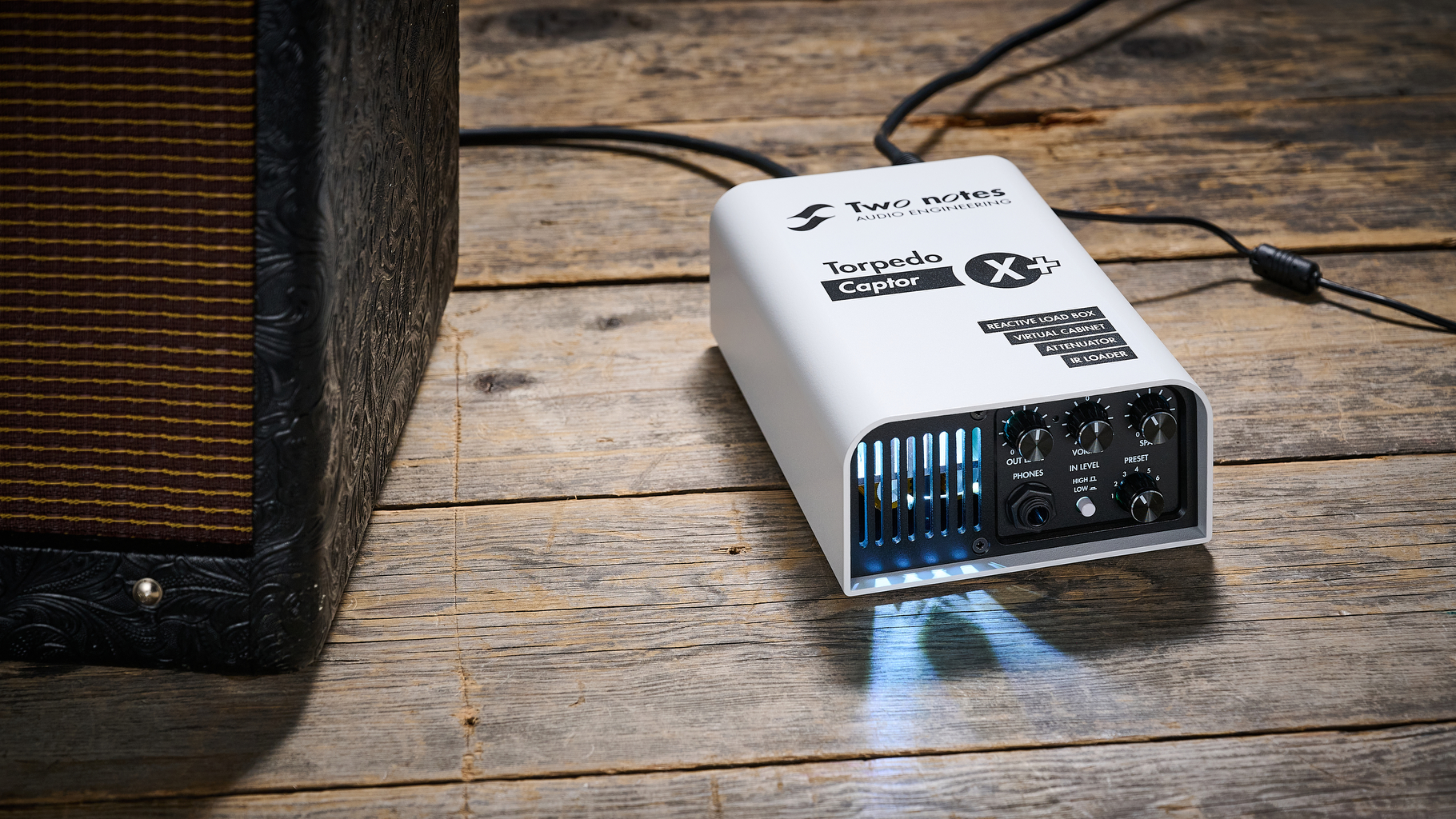
Some of the presets sound phenomenal though, especially those stereo tones. The ability to turn a single-speaker amp into a stereo beast is a really great addition and in headphones, it makes the amp sound absolutely humongous. Plugging in two XLRs to get a signal into Pro Tools, I do find a lot of the presets are unbalanced in terms of gain, with one channel typically being louder, but it’s nothing that can’t be adjusted with a move of a fader in the DAW.
Panning the sounds far left and right, I get an instant double-tracked tone that sounds fantastic, with the majority of the heavy lifting done tonally for me via the built-in presets. While some of these aren’t a great match for my particular amp, many do an excellent job with minimal tweaking required, sounding like well-mic’d guitar amps in a room at the touch of a finger on my smartphone.
There’s a lot of flexibility here through the Wireless Remote, and I can turn the mics off-axis for a warmer tone, or pull them back to get more of the room in the sound. Some of the presets definitely needed tweaking for my ear and amp. In particular, I find a lot of adjustability available from the Virtual Load Shaper, which, while it can be tweaked manually, I found it a lot simpler to use the baked-in presets to get the amp responding how I want.
Verdict
If you’re the sort who’s going to the grave clutching your tube amp, adding a loadbox like the Two Notes Torpedo Captor X Plus will do a lot of heavy lifting if you want to actually make use of your amp at home. Whether you want to play with your own speaker at a normal volume, or just practice silently with a wealth of quality cab sounds at your fingertips, it’s a brilliant tool to add to your arsenal.
I do wish there was a better volume control when using it as an attenuator
I do wish there was a better volume control when using it as an attenuator, as I found the three-setting switch to be quite inflexible with varying gain levels on my amp. If you’re just looking for attenuation for your amp, then there are cheaper ways to go about it than this. Despite these small flaws, having a variety of ways to connect to other devices or just use it as a silent practice option makes it a very worthwhile purchase for tube amp enthusiasts.
Guitar World Verdict: The Two Notes Torpedo Captor X Plus is very much a sequel to the original Captor X. That said, the addition of true stereo operation makes it an incredibly powerful upgrade. The ability to turn any tube amp into a double-tracked guitar setup for recording, or a powerful live sound, alongside the usual attenuation option, makes it very flexible indeed. Add in a deep and intuitive editing software, and you’ve got just the thing to fight back against the rise of amp modeling.
|
Test |
Results |
Score |
|---|---|---|
|
Build quality |
Solid steel chassis is robust, but knobs are quite small |
★★★★½ |
|
Usability and features |
Surprisingly easy to use, but new users will need to dive into the manual |
★★★★½ |
|
Sounds |
Some brilliant sounds, and some that will require tweaking for your particular tube |
★★★★½ |
|
Overall |
An excellent addition to the tonal arsenal of any player who must have a tube amp at home |
★★★★½ |
Also try
Hands-on videos
Tom Quayle
Taylor Danley
Leon Todd