It’s a song that evokes the Summer Of Love and the heady vibes of San Francisco’s Haight-Ashbury scene. It is also a composition that encapsulates the dreamy, sun-drenched allure of America’s West Coast, a promise fuelled by themes of yearning and freedom.
The release of California Dreamin’ by The Mamas & The Papas in December 1965 actually preceded the Summer Of Love by 18 months. But with its lush harmonies and haunting flute solo it became an anthem for the ’60s counterculture and the nascent hippy movement.
For all its sun-soaked connotations, California Dreamin’ was actually written in a freezing cold New York apartment in 1963 by newly-married couple John Phillips and Michelle Phillips.
Latest Videos FromMusicRadar
John Phillips had risen to prominence in the early ’60s as a member of The New Journeymen, a trio formed out of the Greenwich Village folk scene.
Michelle Phillips was a singer and former model who would go on to be described by Time magazine as “the purest soprano in pop music”. She was born in Long Beach, California and had moved to New York in late 1962, in one of the worst winters in living memory.
“We were staying at the Albert Hotel, near Washington Square,” she told the Los Angeles Times in 2008. “It was a fleabag. I had never seen snow before, I had never been to the East Coast. I was miserable.”
One night in early 1963 John began working on a song inspired by Michelle’s homesickness and her yearning for the sunshine and warmth of her native state. Enthused by what he had created, John woke Michelle in the middle of the night to play it to her.
“I wanted to go back to sleep, but he said I would thank him someday if I got up and worked on it with him,” Michelle told the Los Angeles Times in 2008.
The first two lines of his first verse evoked the drabness and despair that Michelle was experiencing. “All the leaves are brown (all the leaves are brown)/And the sky is grey (and the sky is grey).”
Michelle then provided the second verse. A few days earlier, they had been strolling past the neo-gothic marble spires of St Patrick’s Cathedral on 5th Avenue.
“I wanted to go in just to see what it looked like, but John wouldn’t go with me,” Michelle told the Los Angeles Times. “So I went in alone.”
This event inspired the second verse, which began: “Stopped into a church/I passed along the way”.
John reportedly hated what Michelle had written.
“Poor John had been sent off to Catholic military school when he was just seven years old, so he didn’t like the religiosity of it,” Michelle told online music magazine Spinner in 2012.
In an interview with Jason Barnard of rock music podcast website The Strange Brew in March 2026, Michelle recalled that once the song was complete, “We threw it in the drawer and kind of forgot about it.”
And that’s where it stayed. Until 18 months later, by which time, the entire musical landscape had been transformed beyond all recognition.
In 1965, John and Michelle Phillips formed The Mamas & the Papas with two pivotal figures from the Greenwich Village counterculture, Canadian singer-songwriter and musician Denny Doherty and singer-songwriter and actress Cass Elliot.
By then, The Beatles had inspired a number of folk purists from the first half of the ’60s to turn electric and hone a new folk-rock sound.
John Phillips was deeply reluctant to move from acoustic folk to electric folk-rock. It was Denny Doherty and Cass Eliott who convinced him otherwise.
In her interview with Jason Barnard of The Strange Brew, Michelle Phillips recalled an evening when all four members were listening to The Beatles.
“That was the first time that we had actually really sat down and listened to The Beatles,” recalled Phillips. “Denny kept saying, ‘That’s what we have to do. They’re the kind of songs you have to write, John’… Denny was the one who really changed the direction of our sound.”
Another event that galvanised them into action was when Mr. Tambourine Man by The Byrds came on the radio one morning while they were sitting in a bar.
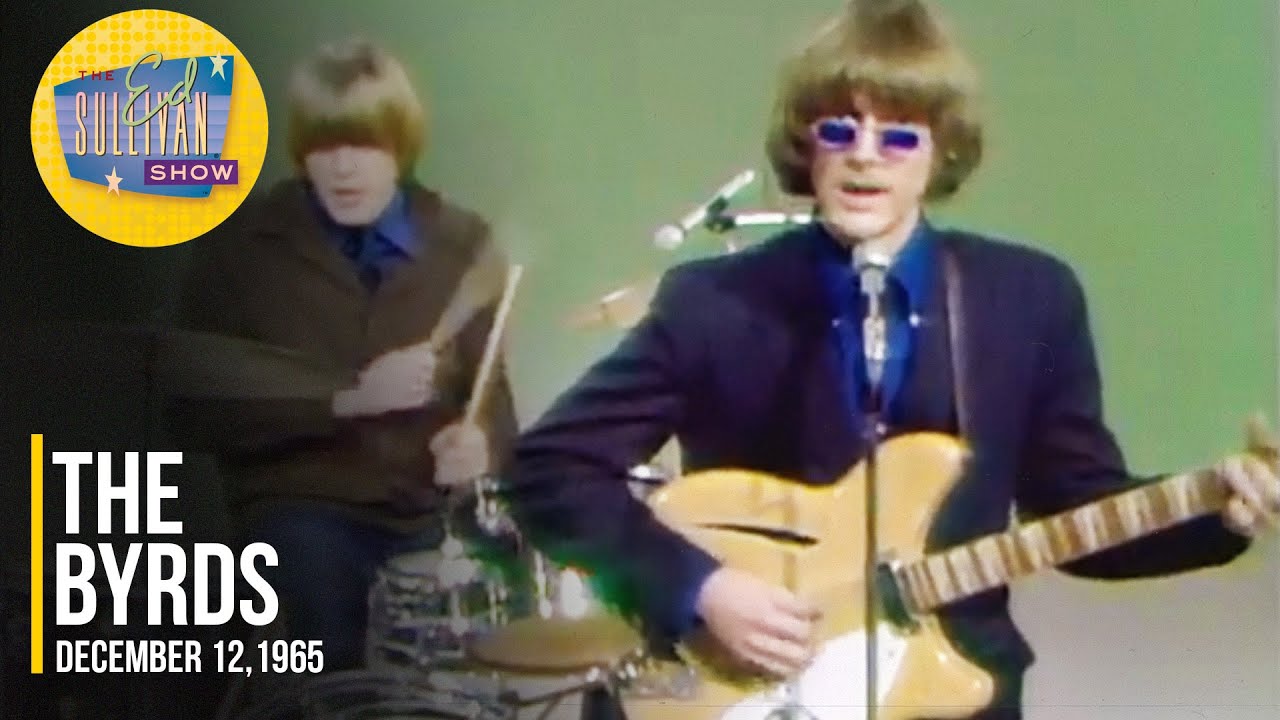
“They weren’t a really sophisticated group the last time we had heard them,” Michelle told Jason Barnard of The Strange Brew. “Now we hear them singing Mr. Tambourine Man… and it’s shooting up the charts, it’s gonna go to number one! We said, ‘Oh my God! That is The Byrds’. Then Cass said, ‘We got to get to LA fast because if The Byrds can have a hit, anybody could have it.’”
John Phillips poured all his prodigious talents and energy into honing a new electric style and sound. From spring to mid-summer 1965 he arranged for the band to go to the Virgin Islands to rehearse. This was the moment they really recognised the unique sound and power that their four voices could create.
“We started singing with Cass and Denny, and my God, that was a complete revelation for us, when the four of us were singing John’s arrangements,” recalled Michelle Phillips in her interview with Jason Barnard of The Strange Brew.
“He was a brilliant vocal arranger. We would sit on the beach in St. John and just light a great big bonfire and pass around a bottle of whiskey and… singing and singing and singing.”
After returning to New York the band travelled to Los Angeles where singer-songwriter Barry McGuire – a friend of the band’s who is best known for his 1965 hit Eve Of Destruction – had arranged for them to audition for record producer Lou Adler, who was co-owner of Dunhill Records.
McGuire decided to record California Dreamin’ as a track on his album Precious Time, with The Mamas & The Papas singing backing vocals.
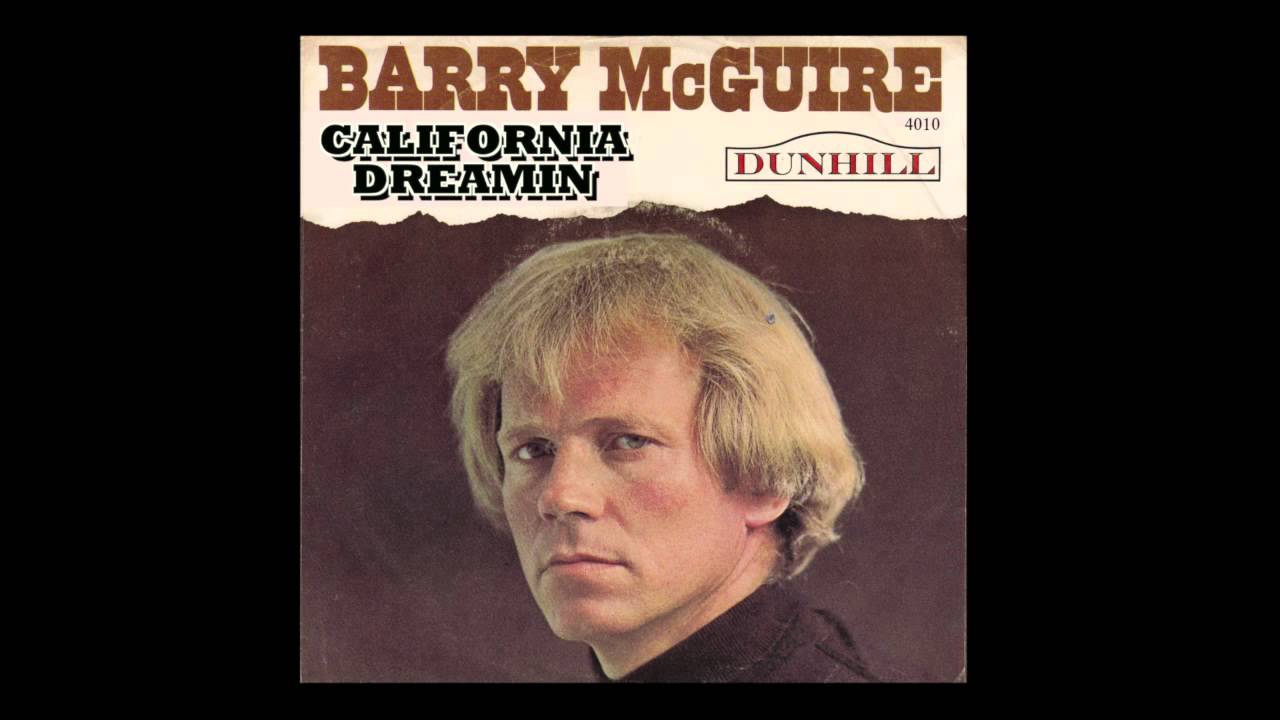
The song was recorded at United Western studio in Hollywood, with members of the famed session band The Wrecking Crew. Hal Blaine played drums and tambourine, Joe Osborn was on bass, Larry Knechtel played piano, while PF Sloan played acoustic guitar on the intro. Lou Adler was the producer and Dayton ‘Bones’ Howe engineered the session.
“We were working in Studio 3, which was so small that we always did basic tracks first and vocals afterward because you couldn’t fit that many people in there at once,” Howe told Dan Daley of Mix magazine in 2004.
“So Barry comes in with these four scruffy-looking characters. Lou said, ‘Let’s listen to them, but first let’s get a few other things taken care of.’ Then we took a break and Barry asked us again to listen to them sing.”
McGuire’s persistence paid off. Adler was deeply impressed by The Mamas & The Papas and quickly arranged for them to record their own version of California Dreamin’, with Denny Doherty singing the lead vocal part and using the same backing track they had just recorded with the Wrecking Crew.
“So we asked if another studio was open and Studio 2 was, so we went in there and John picked up an acoustic guitar and they sang four songs, including California Dreamin’ and Go Where You Wanna Go. Basically, they sang what would become their first four hits. Lou turns to me and says, ‘What do you think?’ I said to Lou, ‘If you don’t take them, I will.’ That did it.”
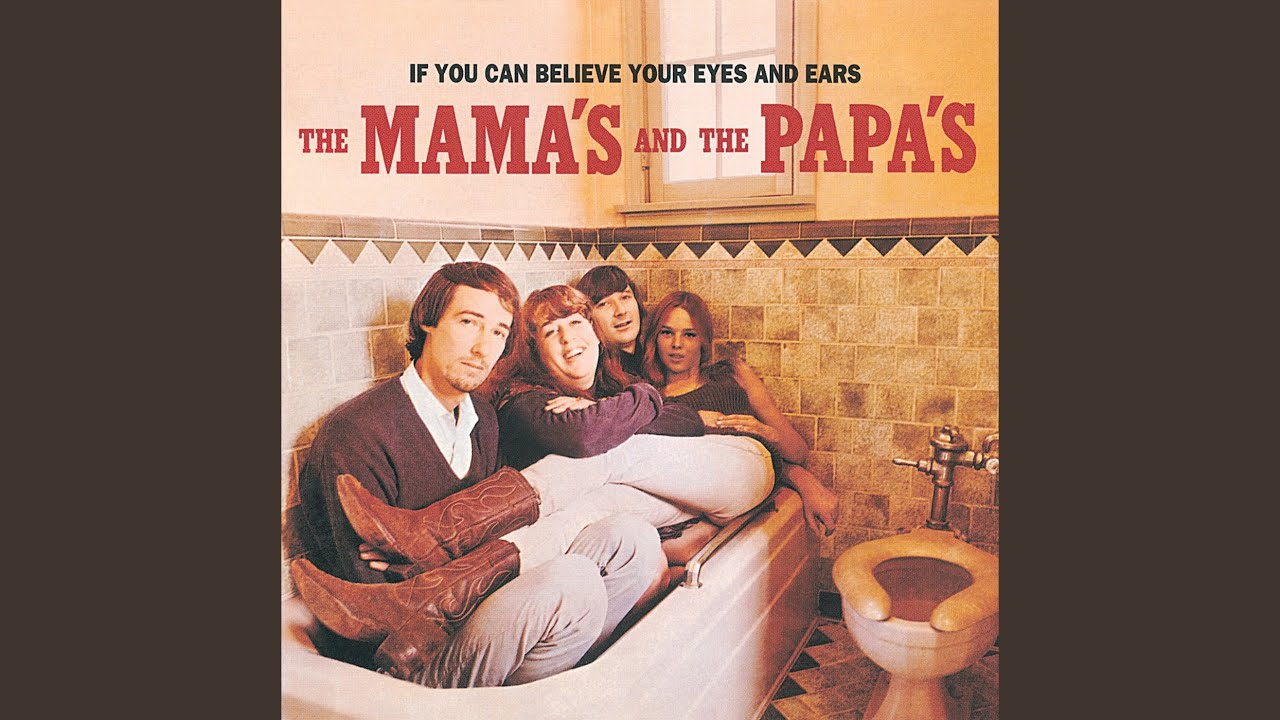
One defining feature of California Dreamin’ is the haunting alto flute solo. This was the result of a chance encounter with alto saxophonist and flautist Bud Shank at the Universal Western studio, as radio producer Doug Thompson recalled on the Songfacts website.
“Denny Doherty once told me that when they were recording that song, they wanted a solo, but didn’t want the usual guitar solo,” said Thompson. “John Phillips walked out into the hall of the Hollywood recording studio they were at and Bud Shank was in that hallway as well. John grabbed him and brought him into the studio. Shank listened to the hole he was supposed to fill and nailed it on the first take.”
Listening to California Dreamin’ over 60 years since it was released, there is a beautiful warmth and vastness to the four harmonies that really shines through. There is also an all-pervading sense of longing, the desire to be somewhere else other than the oppressive grey and cold of New York in the depths of winter.
It’s the contradiction between this austere greyness and the heavenly quality of the song that really works.
The melody is strong and stirring but woven within the allure of warmth and solace there is an aching melancholy. The voices have a floating feel while the flute solo instils a dreamlike quality to the song.
California Dreamin’ was released in December 1965 and reached No 4 in the US and No 3 in Canada. It fared less well in the UK, where it peaked at No 23 although when the song was re-released in 1997, following its use in a TV advertisement for Carling lager, it reached No 9.
A number of artists would cover the song. In the summer of 1968 Jose Feliciano released a version, which reached No 43 on the Billboard Hot 100. In the spring of 1979, the band America reached No 56 on the Billboard Hot 100 with their version of California Dreamin’, and in 1986 The Beach Boys recorded a version for their greatest hits album Made In The USA.
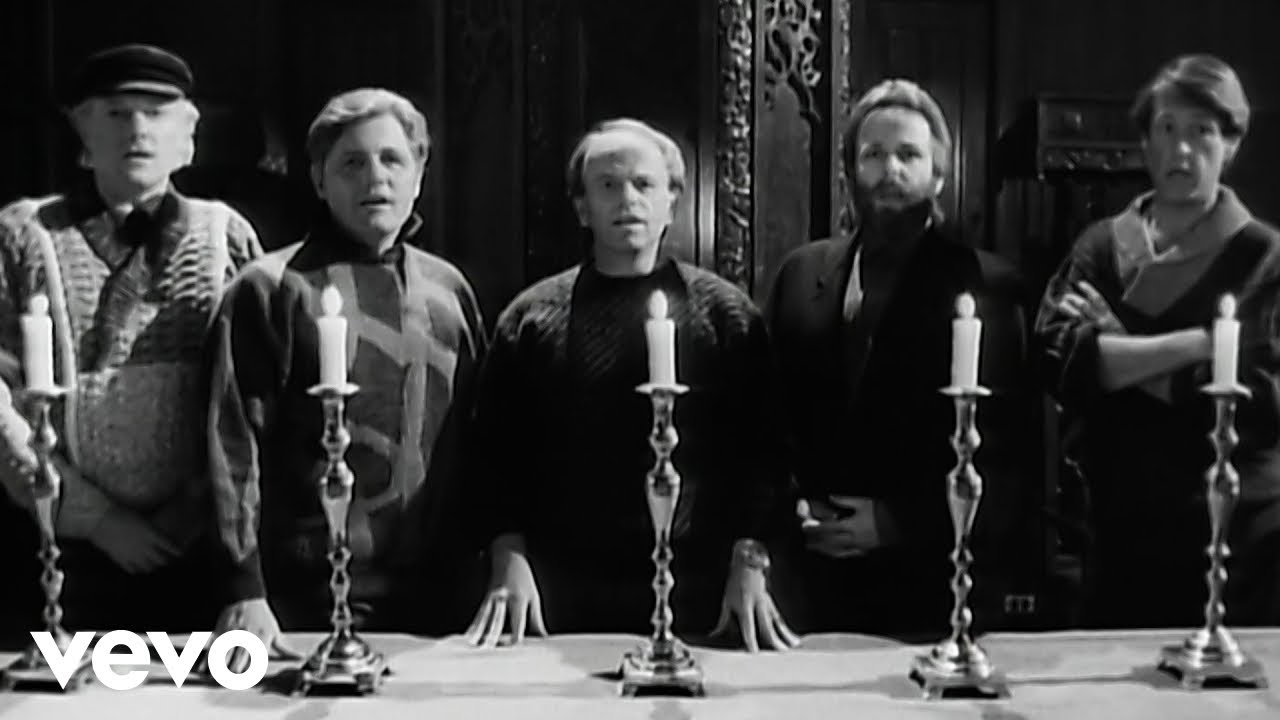
In 1990, English folk-rock quartet River City People released a version of the song, which reached No 13 in the UK singles chart, while in 2016 German DJ/remixer Freischwimmer reached No 1 on the Billboard Dance Club Songs chart with his version.
California Dreamin’ launched The Mamas & The Papas and became an enduring anthem for the counterculture. But the strength and sophistication of John and Michelle Phillip’s song also gave it global appeal, as writer Jim Evans noted on the Rock And Roll Globe website.
“In that liminal space between American pop/rock’s initial maturation and its aesthetic elevation, a quartet turned up to blend harmony pop, folk rock and sophisticated songwriting into something singular enough to mark them as innovators but universal enough to make them stars.”