Eric Clapton says selling two of his prized electric guitars at auction in 2004 was a “big, big mistake” but accepts the wider context justified the painful split.
The two guitars – his late Cream-era Gibson ES-335 and his iconic “Blackie” Stratocaster – sold for a combined $1,807,000 at the Christie’s auction. In total, the event raised $7.44 million, with roughly $6.4 million going to Clapton’s Crossroads drug addiction rehabilitation center.
The ES-335, a 1964 model with a mysterious origin story, featured at Cream’s farewell show at the Royal Albert Hall in London in 1968. It’s now been confirmed that Epiphone will release a special re-issue of the guitar next summer.
Latest Videos FromGuitar World
The Strat, meanwhile, came into Clapton’s life in 1970, and was pieced together from three different 1950s models. He recorded seminal hits including Cocaine, I Shot the Sheriff and Lay Down Sally with the guitar.
They’re both iconic six-strings in their own right, and they helped raise vital funds for Crossroads, which celebrated its 28th anniversary in star-studded style over the weekend. But that didn’t make letting them go any easier for Slowhand.
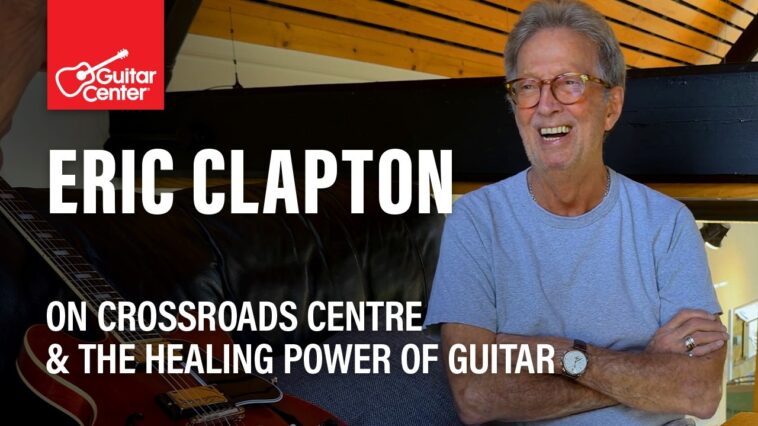
“When the auction was going on, I had to constantly keep saying, ‘This is your purpose. You are an alcoholic, and if you don’t stay sober, you won’t be able to help other alcoholics to achieve sobriety,’” he recalls in an interview with Guitar Center.
“So this is all for that purpose. Crossroads is for that purpose. So I’m disproportionately obsessed with the survival of that place.”
Crossroads offers “a therapeutic, supportive and safe environment—away from the confusion of life in addiction – on the beautiful island of Antigua” in the Caribbean.
Everything from high-profile auctions to seven editions of the Crossroads Guitar Festival, which unites a host of prolific players on the stage, have helped raise funds for the center. It means everything to Clapton.

“My primary purpose is to stay sober, and help other alcoholics to achieve sobriety,” he notes. “That’s above me being a musician or a husband or a father. It’s the number one thing.”
So, yes, selling those guitars, he says with a nervous laugh, was a “big, big mistake.” But zoom out, and it’s easy to see why Slowhand parted ways with them.
Now, Guitar Center’s Crossroads collection – which takes in high-end recreations of some of Clapton’s most historic guitars – is adding more money to the pot.