
Most guitar players dream of endorsements. Many will have sketched dream signature guitar designs on napkins, thinking, “What if?” But the reality of endorsement relationships is often misconstrued – the idea of players being buried under a mountain of free gear, is an antiquated myth.
Historically, endorsements have seen brands partnering with big-name players to leverage influence to sell more guitars. Imagine what Kramer’s affiliation with Eddie Van Halen did for the company’s image in the early ’80s.
Ultimately, it’s business: brands are putting their skin in the game because they’re looking to profit from doing so. But the landscape has shifted – today endorsements are no longer reserved for the elite. Smaller artists and influencers play key roles in a guitar company’s marketing strategies.
Latest Videos FromGuitar World
So, what are brands looking for in a potential endorsee? The criteria aren’t rigid, but certain key points appear universal, and perhaps skew the consensus about where the bar actually is.
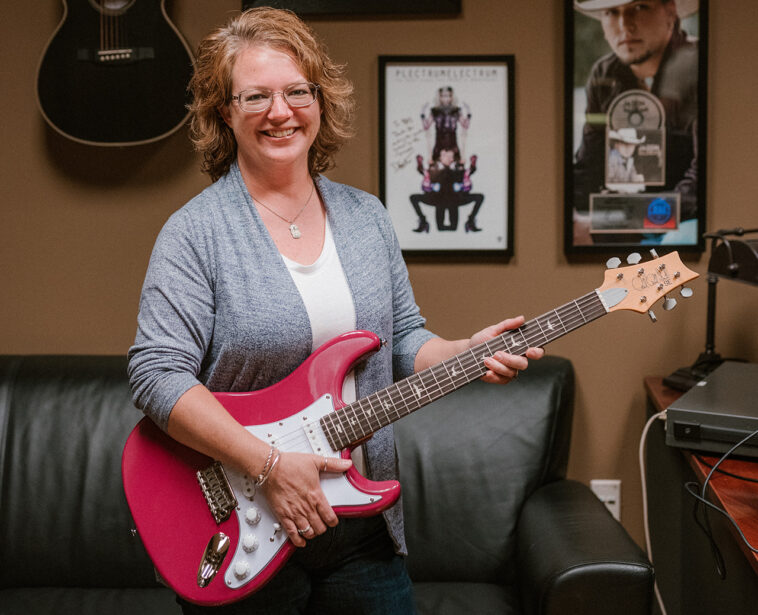
“Simply being in a band that plays to 20,000 people a night doesn’t make someone the right fit,” says Bev Fowler, Director of Artist and Community Relations at PRS Guitars.
“Skill level is part of it, but we also consider an artist’s product knowledge, their goals, history with the brand, and how authentically they connect with the product.”
While numbers aren’t everything, influence is paramount. “Follower counts don’t always tell the whole story,” Fowler says. “Engagement matters. We’re looking at whether people are paying attention to you because of your playing and whether you’re influencing others to learn, play, or even buy a guitar.”
Blackstar Amplification prefers players with heavy gigging schedules and stage setups that put its amps in plain view, but Director of Marketing Joel Richardson says the book doesn’t close there.
“It always comes down to talent,” he says. “When I first met Jared James Nichols 15 years ago, he didn’t have a huge following, but I could see he had something unique. His playing and personality really stood out.”
Tim Hillier-Brook, who supervises over 250 artist relationships across Fender’s family of brands, is perhaps the loosest when it comes to defining his ideal artist. “Our brands are so different – we have eight-string Jackson guitars with EverTunes and classic Country Gentleman guitars with Gretsch; there isn’t really a set criterion.”
All three brands downplay the importance of social follows, streaming stats and engagement. While they’re a part of it all, you don’t need a massive following to catch the eye.
Everyone buys their first guitar because they see someone else playing and feel inspired,” Hillier-Brook says. “That could be your local pub, Brixton Academy or Rock Am Ring. The best marketing we can get is having our guitars on stages. The size of that stage is almost irrelevant.
“One of my colleagues started working with IDLES when they played the Barfly [a 200-capacity London pub],” he continues. “If I see a band in a small room and there’s electricity in the room, that feeling is often the catalyst for me starting a conversation.”

Forging strong relationships with artists before they break out of the underground can reap huge rewards for brands, so many are actively scouring the underground scene. UK alt-rock outfit Unpeople recently released their debut album to critical acclaim – Fender had been endorsing them for several years before their meteoric rise.
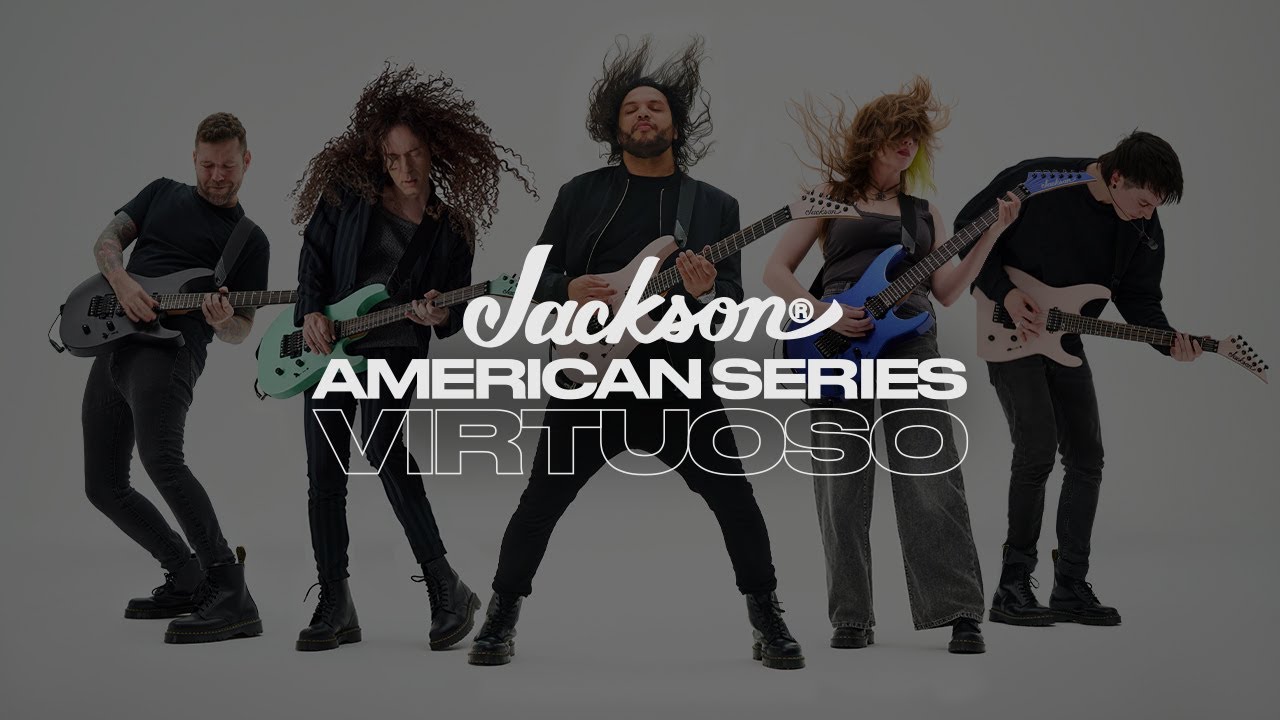
Brands use their platform to raise the profile of their smaller artists – for example, Jackson putting Heriot’s Debbie Gough in a promo video alongside Misha Mansoor and Marty Friedman. “It’s important to not only focus on the massive artists,” Hillier-Brook says. “Otherwise the community doesn’t grow.
“We need to innovate. The Strat came from Leo innovating off the back of the Tele with artist feedback. Taking artist feedback and genuinely acting on it is how things move forward.”
So what makes a player’s ‘please endorse me’ email stand out – and what gets it deleted?
“Don’t seek an endorsement if you’re just looking for free gear,” Fowler warns. “It’s a partnership, not a one-way transaction. The artist needs to genuinely believe in the brand and be willing to invest in the relationship, while the brand needs to listen to the artist, support their goals, and find ways to create value for them.”
She adds: “And don’t let your ego get in the way. Take an honest look at yourself and where you are in your career, and ask yourself, ‘What can I bring to this brand?’”

Richardson says: “Be bold about your ambitions. Tell us what you plan to achieve, where you want to be and how you see the brand being part of that journey. Show your passion for guitar and the products you want to represent.
“The biggest ‘don’t’ is to simply expect to be accepted. Take feedback onboard, work on the areas that might be missing and come back to us when you meet the criteria.”
You shouldn’t have to change your identity or creative voice to be a good fit for an endorsement
Bev Fowler, PRS Guitars
Of course, rejections hurt – but they can be a chance to grow. “Jim Marshall told me he never gave anything away,” Richardson says. “He offered discounts; that way he knew the artist genuinely wanted to use his amps rather than using them because they were free or because they were being paid to. It’s authentic.”
Artists sometimes jump ship. PRS’ John Mayer coup has not only taken a massive name away from Fender; it’s produced a guitar that’s going toe-to-toe with the Strat in sales. Periphery’s Jake Bowen has just swapped Ibanez for Strandberg.
For both artists, there had to be a genuine love for their guitars to instigate the switch.
For lower-ranked player especially, demonstrating an established history with the brand underscores a genuine connection. As Fowler says: “You shouldn’t have to change your identity or creative voice to be a good fit for an endorsement.”

“Fit is really important,” Richardson agrees. “We don’t want to pigeonhole Blackstar into one particular genre, so I’m looking for a broad range of players.
“I love the fact that we’ve had Joe Don Rooney from Rascal Flatts using the same amps as Silenoz from Dimmu Borgir. They’re worlds apart musically, but they both found something in the Blackstar sound that works for them.”
And while partnerships need to benefit both parties, that doesn’t mean all relationships will amount to a bump in sales. “We’re not expecting a financial return,” Hillier-Brook says. “We have a budget we can work with, and use our judgment as people who really love and live and breathe guitar.
“There’s a quote from Leo: ‘Artists are our angels, and it’s our job to give them their wings to fly.’ As cheesy as it is, that’s the ethos of our brands.”