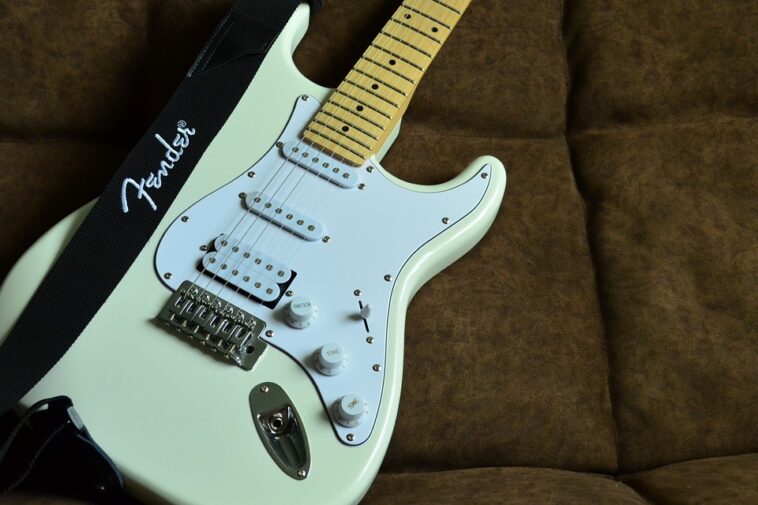
Okay, here’s an article about influential blues guitarists, combined with a concept for a cinematic image:
Rhythm and Blues: The Greatest Guitar Players in the History of Blues Music
Blues, a genre born from the soul of the American South, is a landscape painted with hardship, resilience, and raw emotion. At the heart of the blues lies the guitar, a voice that wails, moans, and testifies to the human experience. While countless musicians have contributed to the rich tapestry of blues guitar, a select few have risen to legendary status, shaping the genre and influencing generations of guitarists to come.
Here, we celebrate some of the greatest, focusing on those who wielded the electric guitar with groundbreaking innovation and undeniable soul.
1. B.B. King: The King of the Blues (1925 – 2015)
No discussion of blues guitar is complete without paying homage to B.B. King. “Lucille,” his beloved Gibson guitar, became an extension of his very being. King’s vibrato was legendary, his single-note solos dripping with feeling and perfectly placed. His economical style – saying so much with so few notes – was instantly recognizable. King’s influence is immeasurable, inspiring everyone from Eric Clapton to Stevie Ray Vaughan. He brought the blues to new audiences and solidified its place in music history.
Key Characteristics: Soulful vibrato, single-note phrasing, “Lucille” the Gibson ES-335, sophisticated.
Must-Listen: “The Thrill Is Gone,” “Every Day I Have the Blues,” “Sweet Little Angel.”
2. Muddy Waters: The Father of Modern Chicago Blues (1913 – 1983)
Muddy Waters electrified the blues, taking it from the Mississippi Delta to the urban landscape of Chicago. His powerful slide guitar and commanding vocals defined the Chicago blues sound. Waters’s music was raw, gritty, and undeniably influential, laying the foundation for rock and roll and inspiring countless blues bands. He amplified the feeling of the blues.
Key Characteristics: Powerful slide guitar, heavy rhythmic playing, amplified Delta blues, signature Telecasters.
Must-Listen: “Hoochie Coochie Man,” “Mannish Boy,” “Rollin’ Stone.”
3. Buddy Guy: The Quintessential Bluesman (Born 1936)
Buddy Guy is a living legend and one who is still active today. Known for his fiery and unpredictable stage presence, Guy’s guitar playing is characterized by its energy, passion, and sheer technical skill. A master of string bending and vibrato, he seamlessly blends traditional blues with elements of rock and roll. He’s known for playing polka dot strats.
Key Characteristics: Aggressive and wild playing, distinctive vocals.
Must Listen: “First Time I Met the Blues”
4. Albert King: The Velvet Bulldozer (1923 – 1992)
A towering figure both physically and musically, Albert King was known for his powerful bends, his use of alternate tunings (tuning his guitar to C#), and his left-handed playing on a right-handed guitar (upside down). His raw, emotional sound and soaring solos had a profound impact on the blues landscape.
Key Characteristics: Powerful bends, use of alternate tunings, signature vibrato.
Must-Listen: “Born Under a Bad Sign,” “Crosscut Saw,” “As the Years Go Passing By.”
5. Stevie Ray Vaughan (1954-1990): The Texas Tornado
Stevie Ray Vaughan was more than just a blues guitarist; he was a phenomenon. Reviving the blues for a new generation, Vaughan combined incredible technical proficiency with raw Texas grit. His high-energy performances and blistering solos made him an instant icon. No true virtuoso can go unmentioned.
Key Characteristics: Heavy string bending, heavy gain, high energy playing.
Must Listen: “Pride and Joy”, “Crossfire”
Beyond the Icons:
This list only scratches the surface. Other vital figures who deserve recognition include:
- T-Bone Walker: An innovator who pioneered the use of the electric guitar in blues music.
- Robert Johnson: Although renowned for acoustic work, his recordings are a cornerstone.
- Freddie King: King pushed the Blues into the rock territory that allowed others to evolve the sound through generations.
These musicians, with their diverse styles and unwavering commitment to the blues, have left an indelible mark on music history. Their music continues to inspire and influence guitarists and music lovers around the world.
Cinematic Image Concept for your AI Image Generation
Title: “Blues Lightning”
Description: A close-up shot of weathered hands on the fretboard of a vintage electric guitar (ideally a Stratocaster or similar). The hands are mid-bend, creating a dramatic, tension-filled moment.
Elements:
- Guitar: A sunburst (or similar classic finish) vintage electric guitar, with visible wear and tear to emphasize the history and soul of the instrument.
- Hands: Older, weathered hands with calluses, suggesting a lifetime of playing. Focused on the fingers bending the strings.
- Background: Dark, smoky, and out of focus. Perhaps a hint of a dimly lit stage in the background.
- Lighting: Dramatic, single-source lighting. A spotlight effect highlighting the hands and fretboard, leaving the rest of the image in shadow. A back light creating a rim over the guitar
- Color Palette: Primarily blues and browns, with a touch of warm light on the hands.
- Mood: Intense, soulful, powerful.
Possible Text Prompts:
- “Cinematic close-up shot of weathered hands bending strings on a vintage sunburst Stratocaster guitar, dark smoky background, dramatic lighting, blues and browns color palette”
- “Intense macro photograph, blues musician’s hands on a vintage electric guitar fretboard, performing a string bend, dark stage background, rim lighting, blues tones”
- “Black and white close up of hands bending guitar on smoky stage, vintage fender stratocaster”
Variations:
- Experiment with different guitar finishes (e.g., “worn black Telecaster,” “aged cherry red Gibson ES-335”).
- Try different lighting setups (e.g., “backlit silhouette,” “soft, diffused light”).
- Attempt generating with the hands of famous musicians, such as B.B. King through descriptive imagery such as, “The hand is black and thick, holding a Gibson Lucille.”
This detailed description should help you generate a compelling and cinematic image that complements the article about the greatest blues guitarists. Good luck!