
![Array]](https://backingtracksfullcollection.com/wp-content/uploads/2026/05/1779817936_Array-758x426.jpg "Array] 18")
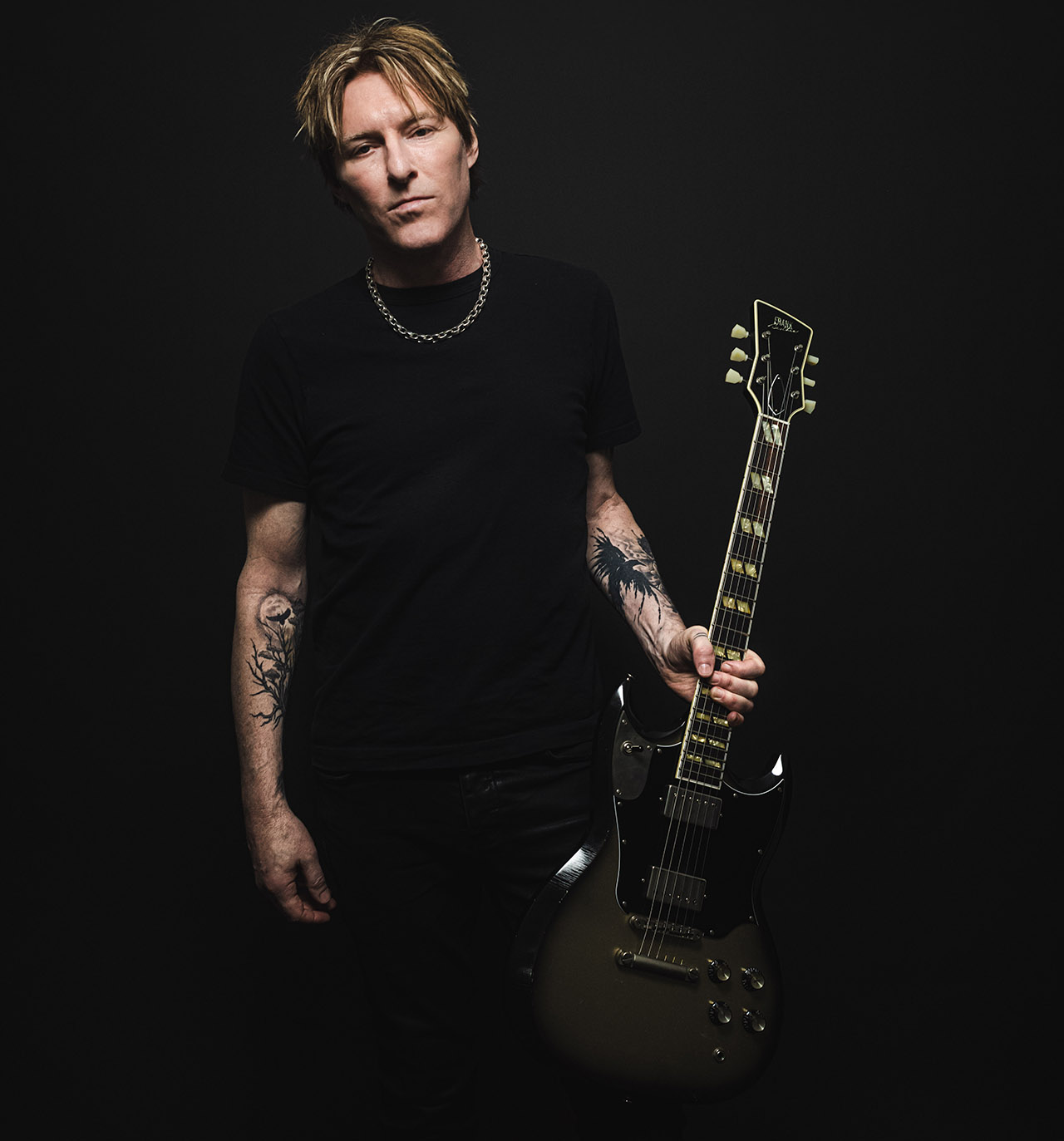
It would be an understatement to say that Tyler Bates has kept himself busy. From pedalling ‘90s indie-rock with Pet to scoring some of the biggest films and TV shows of the last two decades, writing and performing with Jerry Cantrell, and reinventing Marilyn Manson twice, his career has been relentless.
But beneath the Hollywood glitz is a person deeply connected with the electric guitar; and with the launch of his new record label, Gravel and Echo, he’s closing another chapter of his life and starting anew.
“I did two albums back-to-back with Manson – I’m really proud of that work,” he says. “Our collaborations are always spirited, but I need to cleanse the pallet and get back to myself.”

So what does this next chapter entail, how important are guitars when scoring a Hollywood blockbuster, and why can’t he get away from one underdog amp?
Who were your first guitar heroes?
The first players I was able to play along with were Angus Young and Ace Frehely. Then I moved on to Alex Lifeson, Jeff Beck, and Eddie Van Halen. So I played fast, flashy shit when I was young.
In the ‘90s I changed my approach entirely. I gave all my guitars away that had tremolo systems on them because I’d abused the whammy so much. I needed to get back down to the essence of why I love guitar, and build out from there.
How prominent is the guitar in your scoring?
It’s always with me – even if I’m doing a score that has no guitar in it. The ideas are composed in my head, rather than looking for them, because of the volume of music I have to churn out. We’re talking thousands of minutes of produced music every year. There’s no time to sit around and exercise on your instrument.
Late at night is when I do my free association experimental work. It’s meditative for me; I get into looping and seeing what kind of interesting noise I can create. A lot of the ideas I’m ruminating on for film somehow course through the guitar subconsciously.
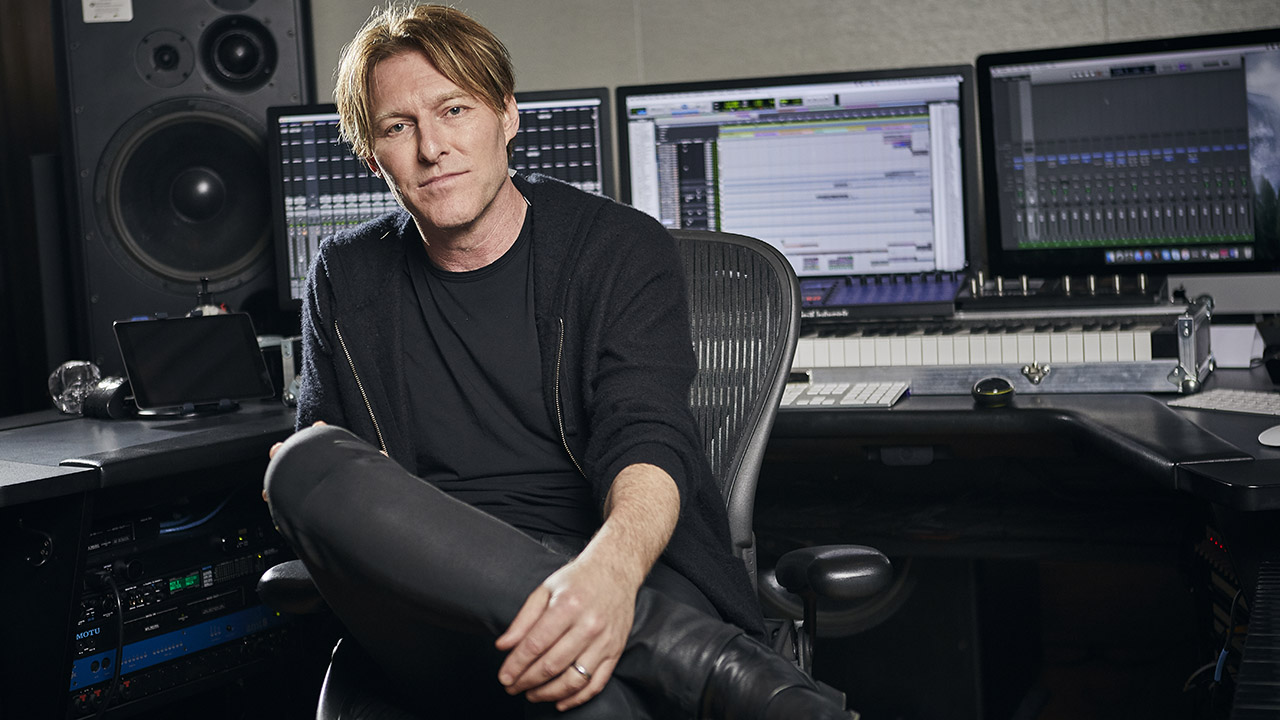
It expands my vocabulary because I’m trying to transcribe something from my work or mind, and it isn’t always natural to the guitar. I’m getting into strange spider-hand chord shapes.
When Tom Kapinos asked me to do Californication, he said, “If you do the show, all I ask is that you do it with a guitar in your hand.” I couldn’t say no to that!
You’re a Peavey Classic 50 loyalist. What’s the story?
In the early ‘90s, when I was playing clinics and NAMM shows, I met this guy who worked at Peavey. He offered me some stuff – and I was broke, so I really appreciated it. In Pet I found it was the only way to get a distorted sound with some chime on top.
Often I’d be playing two different guitar parts at once; one in the bass range with broken melodies on top. I’d split the signal with a modded Marshall stack, playing a Schecter Hellcat prototype.
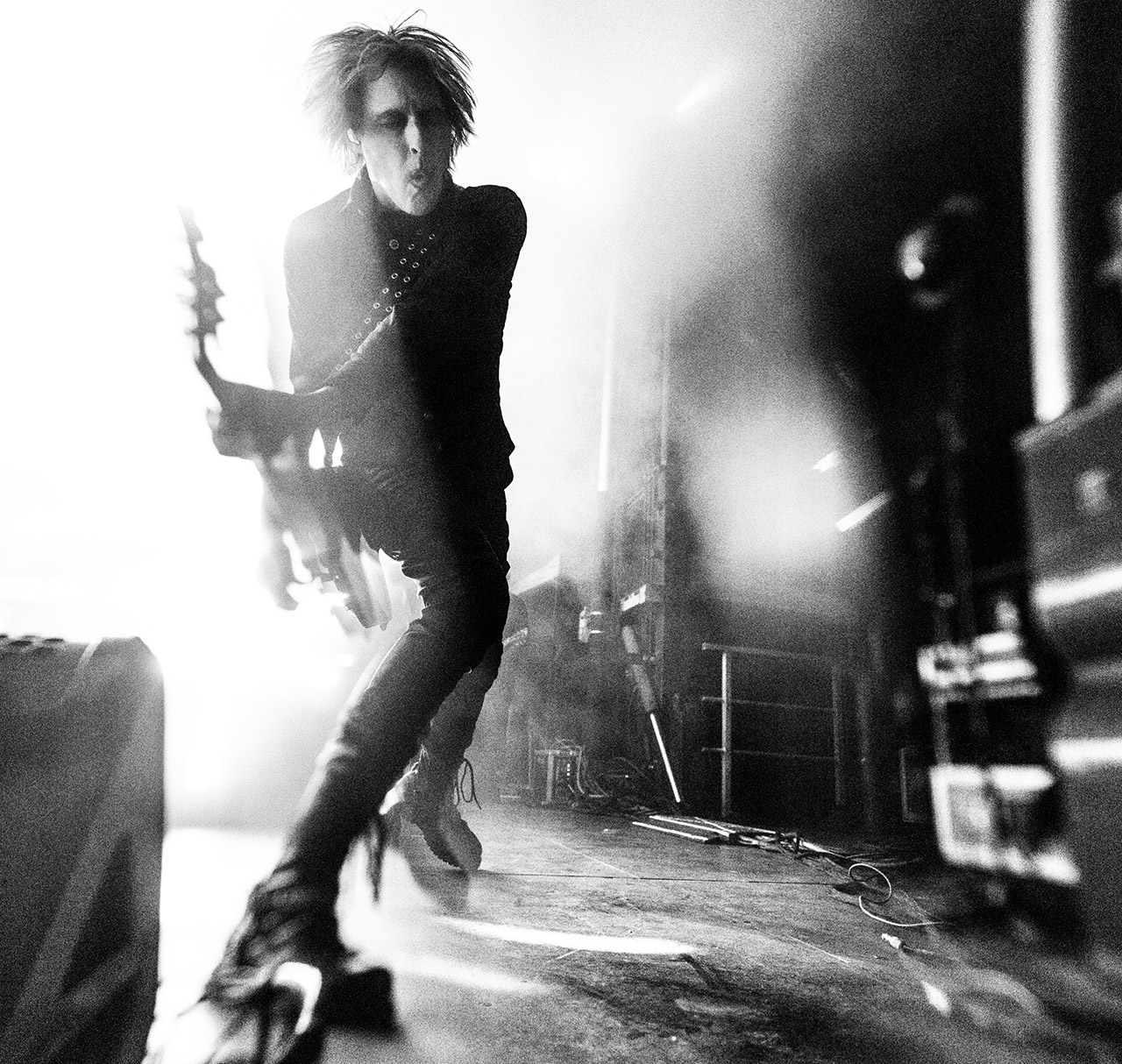
But because the Peavey’s not super saturated, all the little artifacts and weird kinks that I want to pop out are there. It’s really well articulated when it’s not super-distorted. It’s on every Manson album I’ve done.
And it’s carried over into film work.
The Marshall didn’t serve the more ethereal guitar stuff, so I always had this amp by my side. There’s no time to experiment, but I found a way to explore the versatility of the amp.
The Earthquaker Devices Rainbow Machine is almost becoming an appendage! I buy at least one pedal a month, if not two or three
I guess that’s where pedals come in?
I have drawers of pedals – I have around 30 fuzzes. It’s hard to resist. There are my go-tos that you hear in a lot of my stuff in the past decade, like the Earthquaker Devices Rainbow Machine. That’s almost becoming an appendage!
The Sunn O))) EQD Life pedal is a god box. If you really work it, it’s amazing for gothy guitar; but barely leaning into it gives edginess to cleaner guitar playing. I also have an original Soft Tech Big Muff II pedal. It’s unreal what you can get from that thing – the harmonics that you can create, especially on bass, are so sick. I probably buy at least one pedal a month, if not two or three!
How was it to play alongside Jerry Cantrell?
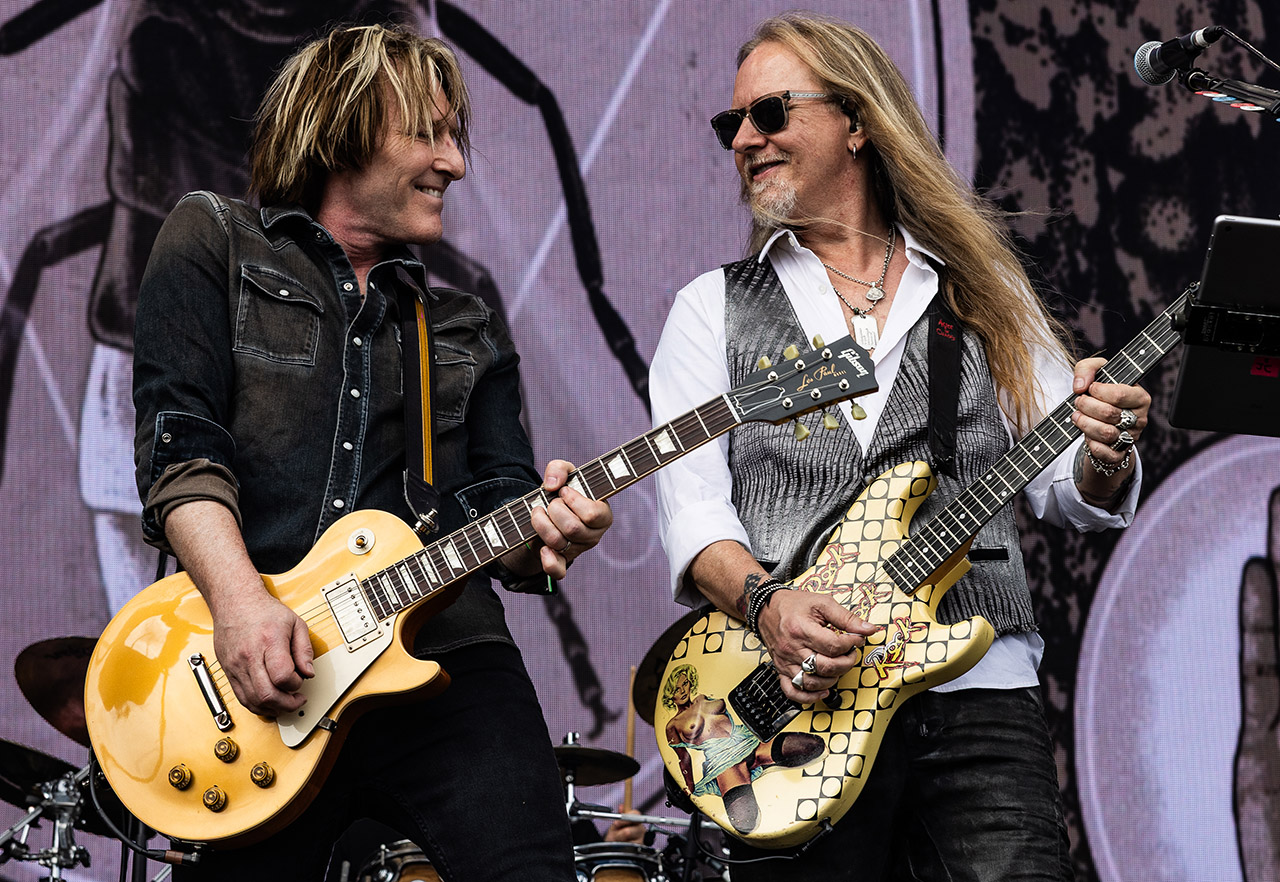
Our styles are very compatible; it’s uncanny. When he asked me to put his band together, I wasn’t thinking that I’d be soloing, but there were times I had to because Jerry was singing.
When I took the lead for Got Me Wrong – which is such a killer song – I was all about it. When we played for an audience, I played pretty damn close to the script. I didn’t divorce myself from his intentions, because his solos are very much composed, and they need to be expressed. I felt like, ‘I’m the guy that’s not Jerry, playing his shit right now.’
How was Reba Meyers as a guitar partner in Manson?
She’s got a pretty tough exterior, but she’s really cool and a very interesting, highly-intelligent human being. As a guitarist coming from hardcore, I love the chaos that she brings.
When the Manson thing started to materialize, I was thinking, ‘The two of us are going to fuck shit up!’ We bring something out in each other that’s in-your-face. We served the songs, but made them feel a bit more alive and immediate.
You’ve stuck with Marilyn Manson despite the allegations against him – did you ever have second thoughts?
There’s a complex answer to that question. For somebody like him to get sober, they need support. We need to support people getting better, getting healthier in our society. The last two records were completely recorded during the daylight hours, and he was sober. That’s insane.
But I had to do my homework. I’m not endorsing any behavior other than healthy behavior.
The music I’m making right now, I’m creating a story in my mind, and the visuals are going to follow me. It’s an interesting role reversal
So your focus is on now, not then?
Manson is a formidable creative and he brings out the best in me. It’s complicated when you’re working with somebody and their history is challenging. If support groups are the only source of opportunity, friendship, and love for those recovering from addiction, our society will suffer.
It’s disingenuous to encourage people to seek help then abandon them when they’ve demonstrated a genuine commitment to changing themselves on both a personal and spiritual level.
You can’t unfuck what’s been fucked. But we can make a determination, like, “Hey, there’s value to this person, and if I can help bring out the positive aspect of who they are, then that’s healthy.”
At this point I’ve done over 100 movies and thousands of TV episodes. I don’t know how much I’d work if I vetted everybody based on the standards of the Pope – myself included.
What’s next for you?
The music I’m making right now, I’m creating a story in my mind, and the visuals are going to follow me. So it’s an interesting role reversal. It’s not a score and it’s not songs; it’s somewhere in between.
It’s very slow lead guitar playing, akin to David Gilmour. I love the feeling of the sound coursing through my fingers, my hands, and the guitar – you feel it resonating.
![Array]](https://backingtracksfullcollection.com/wp-content/uploads/2026/05/1779814268_Array-150x150.jpg "Array] 31")
![Array]](https://backingtracksfullcollection.com/wp-content/uploads/2026/05/1779821582_Array-150x150.jpg "Array] 32")