
![Array]](https://backingtracksfullcollection.com/wp-content/uploads/2026/05/1779850244_Array.svg.svg+xml "“He called me in ’87 and said, ‘There’s this band from America called Guns N’ Roses. They’re really good. We should take them on tour with us’”: Billy Duffy recalls the shenanigans and stupidity of The Cult’s tour with Axl & Co as their opening act 18")
In the summer of 1987, Ian Astbury, singer of British rock group The Cult, saw a hot young band from LA playing at the famous Marquee club in London. That band was Guns N’ Roses, and what Astbury witnessed that night convinced him that this was the perfect opening act for The Cult’s US tour later that year.
At that time The Cult were flying high with their third album Electric, a kick-ass hard rock record produced by Rick Rubin.
Electric was a radical departure from the goth rock style of previous album Love. Moreover, The Cult’s new music, typified by riff-based singles Love Removal Machine and Li’l Devil, was very much in tune with what Guns N’ Roses had created with their debut album Appetite for Destruction.

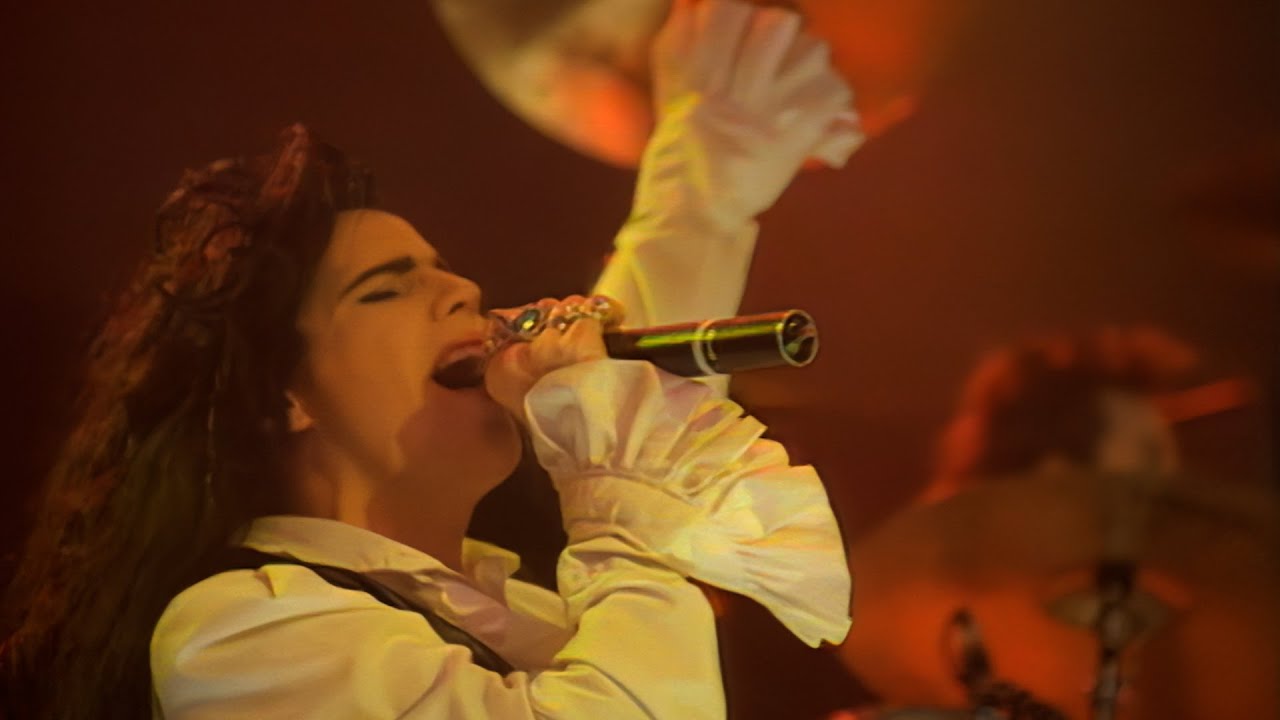
The gig that Astbury saw at the Marquee was in June. Appetite for Destruction was released in July. Guns N’ Roses toured with The Cult in August and September.
Looking back on that tour, The Cult’s guitarist Billy Duffy tells MusicRadar that once the two bands got out on the road together they bonded immediately and partied heavily.
“Oh, we very much hung out,” Duffy says. “We became very enmeshed. There were lots of shenanigans. It was like you can imagine, you know? Whatever you can imagine, it was pretty much like that!”
Duffy points out that while said shenanigans aren’t exactly the type of things he’d get into now, it was all in good fun.
“Nothing evil,” he says. “Just a lot of high jinks. I mean, if you put two bands like that together who get along, let’s just say you’re always trying to outdo each other’s stupidity.”
Duffy acknowledges Ian Astbury’s role in bringing The Cult and Guns N’ Roses together.
“Ian was the guy who found them,” he says. “He called me up in London when we were living there in ’87 and said, ‘There’s this band from America called Guns N’ Roses. They’re really good. You should go check them out. I think we should take them out on tour with us.’
“And Ian is like that. He’s always looking for new bands and finding them. He’s very passionate and has great ears for that kind of thing.”
Duffy tends not to focus on such things.
“I’m nowhere near as good as Ian at that,” he shrugs. “But I remember going to the Marquee club, and Guns N’ Roses were doing three nights, and they sold them out. But I couldn’t get in. The guy at the door was like, ‘I don’t care who you are, you ain’t getting in.’ But that was very typical of London.”
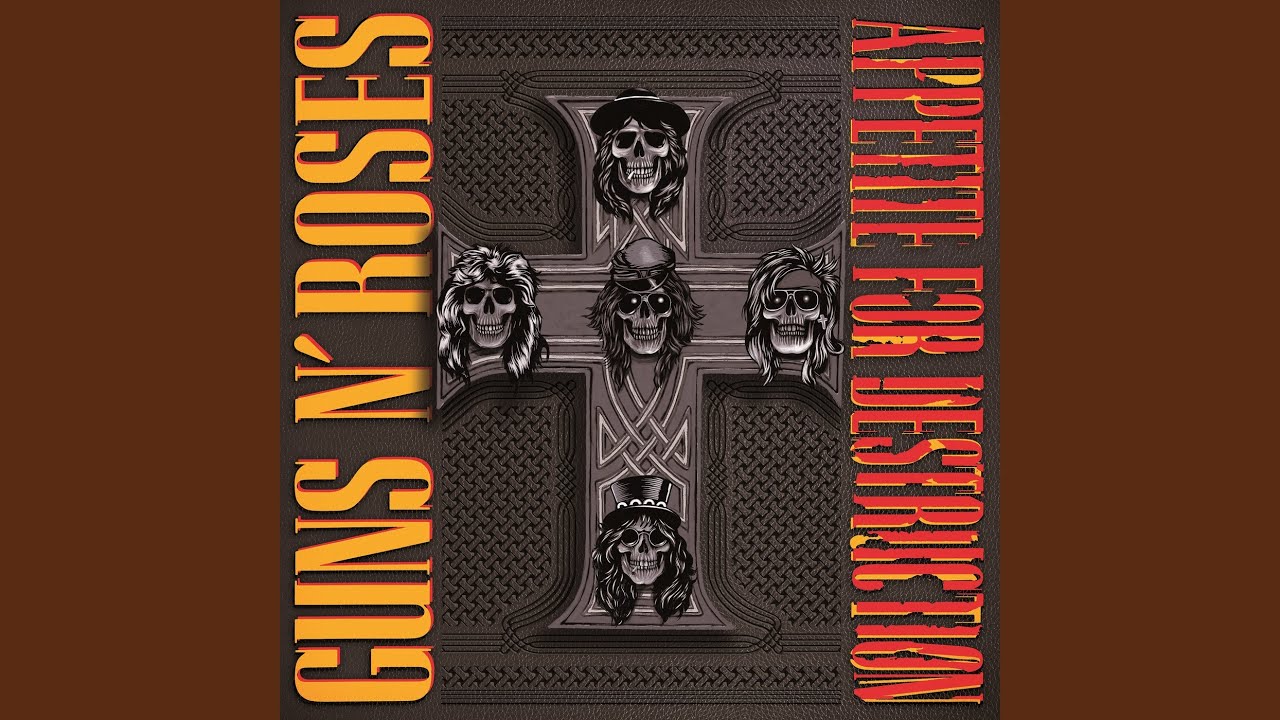
Once he heard Appetite for Destruction, Duffy agreed with Astbury’s assessment of Guns N’ Roses.
“They were really good,” he says. “When they were on tour with us, Appetite had just come out. It hadn’t really clicked yet. But the needle soon moved for them.”
He adds: “Guns N’ Roses were great then – and they’re great now. They were just the real deal, you know?”
He smiles: “Back then they were crazy – but who wants rock stars to be normal anyway?”