
![Array]](https://backingtracksfullcollection.com/wp-content/uploads/2026/05/Array.svg.svg+xml "“He fired a shotgun out of a window into a bird sanctuary. When we heard the bang, we said to the tour manager, ‘You need to take that gun off him!’” The Sweet's last man standing Andy Scott on wild times and triumphs in glam's most influential band 18")
In the United States, the Sweet are commonly thought of as that ’70s band that released the singles The Ballroom Blitz and Fox on the Run, and springboarded a movement that promoted satin jumpsuits, hot pants, silk blouses and high-heeled platform boots.
Those more familiar with the history of glam know there’s far more to the Sweet than spiky guitar riffs, bubblegum vocals and a flashy wardrobe.
The Sweet – vocalist Brian Connolly, guitarist Andy Scott, bassist Steve Priest and drummer Mick Tucker – were skilled musicians and energetic performers who landed 15 Top 40 hits in the U.K. and five in the U.S. between 1971 and 1985.

While they’ve widely been categorized as a part of a trendy scene that included David Bowie, T. Rex, Slade, Roxy Music and Mott the Hoople, the Sweet leapfrogged genres and spanned decades, indelibly marking the look and licks of Kiss, Quiet Riot, Def Leppard, Mötley Crüe and the Darkness.
The Sweet also influenced non-metal acts such as Joan Jett, Cheap Trick, Europe and the Ramones, all of whom have sung the band’s praises and borrowed a tone, riff or piercing lick.
“I’m proud that there are people who thought enough of the Sweet to try and emulate us on some level,” says 76-year-old guitarist Andy Scott from his converted barn home in All Cannings in Wiltshire, England. “For any musician to be influenced by us doesn’t upset me in the least. It’s actually quite a compliment.”
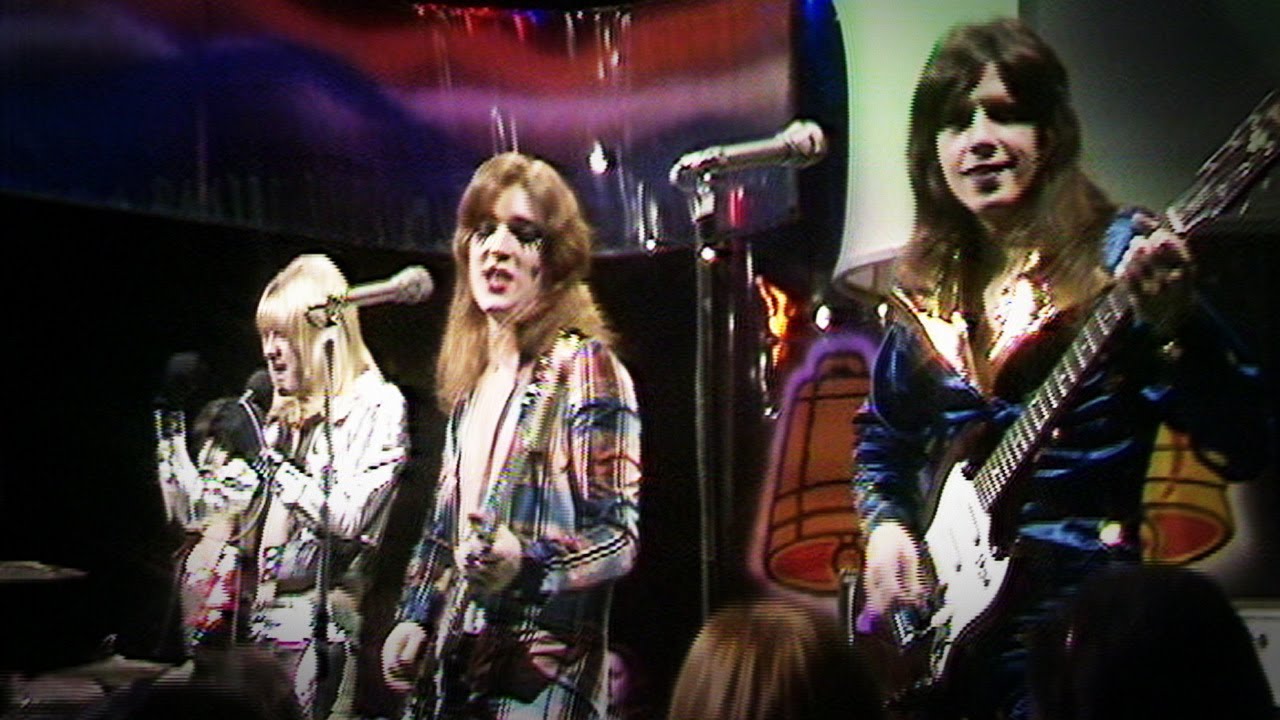
Scott, the lone survivor of the band’s powerhouse lineup, regularly performs as the Sweet with backup musicians and oversees the release of live albums from all eras of the band’s career. The band’s last studio album, Full Circle, came out in 2024, but it’s the Sweet’s back catalog that continues to draw crowds.
During their prime, the Sweet were one of the most energetic and misunderstood glam bands. When they formed in 1968 as Sweetshop, they were widely considered a manufactured outfit in the vein of the Monkees and didn’t play on their first nine singles; they just sang.
They were only allowed to play on the B-sides they wrote. With time, they gained the confidence of producer Phil Wainman, who agreed to let them play instruments on their 10th single, Wig-Wam Bam. The Sweet met the challenge and injected the track with a previously missing level of attitude and edge.
“The guitar sound on Wig-Wam Bam could have come from any of the heavier rock bands that were around then,” Scott says. “That’s the point where we changed as a band in terms of heaviness. From then on, we played all the songs.”

Other tracks – like The Ballroom Blitz and Block Buster! – are faster and more raucous, rivalling the aggression of Deep Purple and Rainbow. With the release of the U.S. version of Desolation Boulevard in 1975, the Sweet made an even more dramatic change, parting ways with songwriters Nicky Chinn and Mike Chapman (Little Willie, Wig-Wam Bam, Hell Raiser) and taking over all writing duties. Wainman also left and Scott became the band’s producer.
“I went out to dinner with Phil and we had a good chat,” Scott says. “I said, ‘If we’re going to make a break, now is the time.’ I said, ‘I’d love you to still be the producer, but I think we need to have a go on our own, and now that I’ve managed to get in the producer’s seat, I don’t want to get out of it.”
Having cleaned house and taken control, the Sweet changed gears again, downplaying confectionery melodies and focusing more on Scott’s chugging riffs and rhythmically diverse songwriting. Considering their mainstream success, it was a risky move that tested their fan’s devotion.
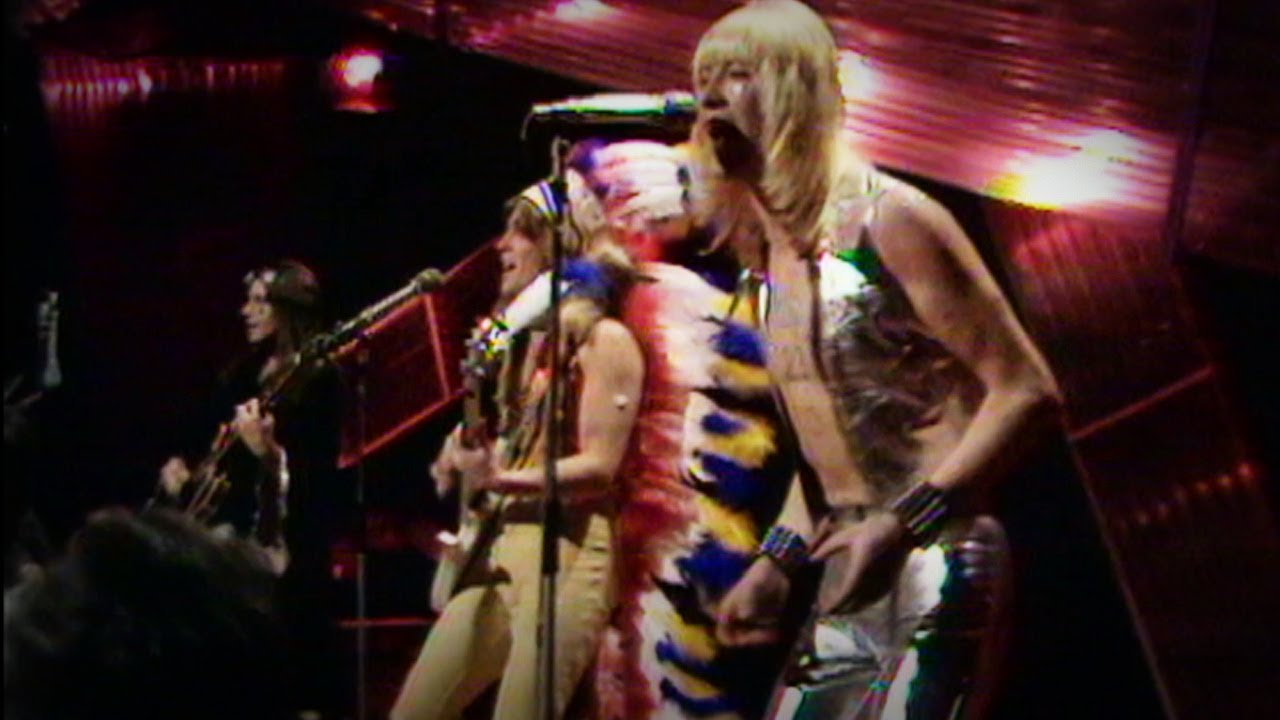
“Of course, we loved having hits and playing for big screaming audiences, but we felt it was more important to make music we wanted to hear without compromise,” Scott says.
Their first self-produced banger, Action, was a big success, yet only two of the band’s next singles charted. At the same time as their fortunes were fading, the Sweet were stymied by an alcoholic, unstable singer, media-fueled rivalries with other bands and accusations of exhibiting style over substance. Even so, they powered on and landed one more memorable singer before splitting up in 1981.
In this revealing, career-spanning conversation, Scott addresses the rise of the Sweet, their uneasy position in the pop-rock hierarchy, the gear that helped drive their bristly sound and the turmoil that accompanied their wild ride.
You were a bass player before you joined the Sweet.
We thought we were pretty great, but when we saw Hendrix, the singer and I turned to each other and said, “Well, that’s the future”
I was the bassist in a band that can only really be described as America’s Got Talent back in the ’60s in the U.K. Every week, the audience voted, and my band won five weeks in a row. The sixth week, we were knocked out by a guy who went on to become one of Britain’s top comedians.
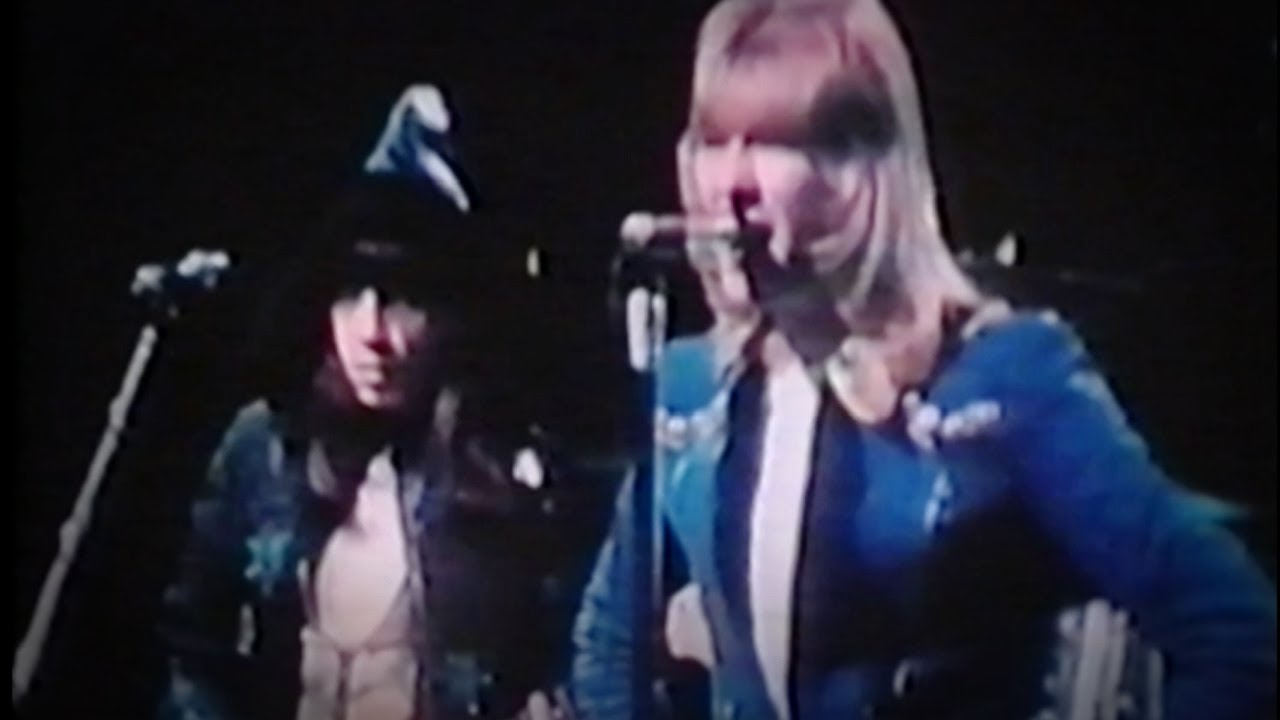
We were a seven‑piece soul band with a bit of jazz and blues thrown in, and we supported Jimi Hendrix on his first U.K. tour. We thought we were pretty great, but when we saw Hendrix, the singer and I turned to each other and said, “Well, that’s the future.”
So, in 1967 we became a four-piece called the Elastic Band. That’s when I became a guitarist full time. I could already play guitar, but I was so blown away by Hendrix that I took over on guitar and my brother played bass.

What were your other major influences?
I loved Jeff Beck, Eric Clapton and Jimmy Page. I loved the soul aspect of Booker T. & the MG’s. I loved Vanilla Fudge and Spirit. I also loved Wes Montgomery and his octave playing. So, by the time the Elastic Band formed, I was a mixture of psychedelia, soul, blues and rock, and I found my own style.
What did the band sound like?
It was a mixed bag. We’d play Born to Be Wild, but also soul and R&B songs. We played quite a bit in Florida and the Bahamas, where I heard a lot of American music that seeped into my playing as well. While I was in the Elastic Band, I met the Sweet.
Did that grease the wheels for you to join the band?
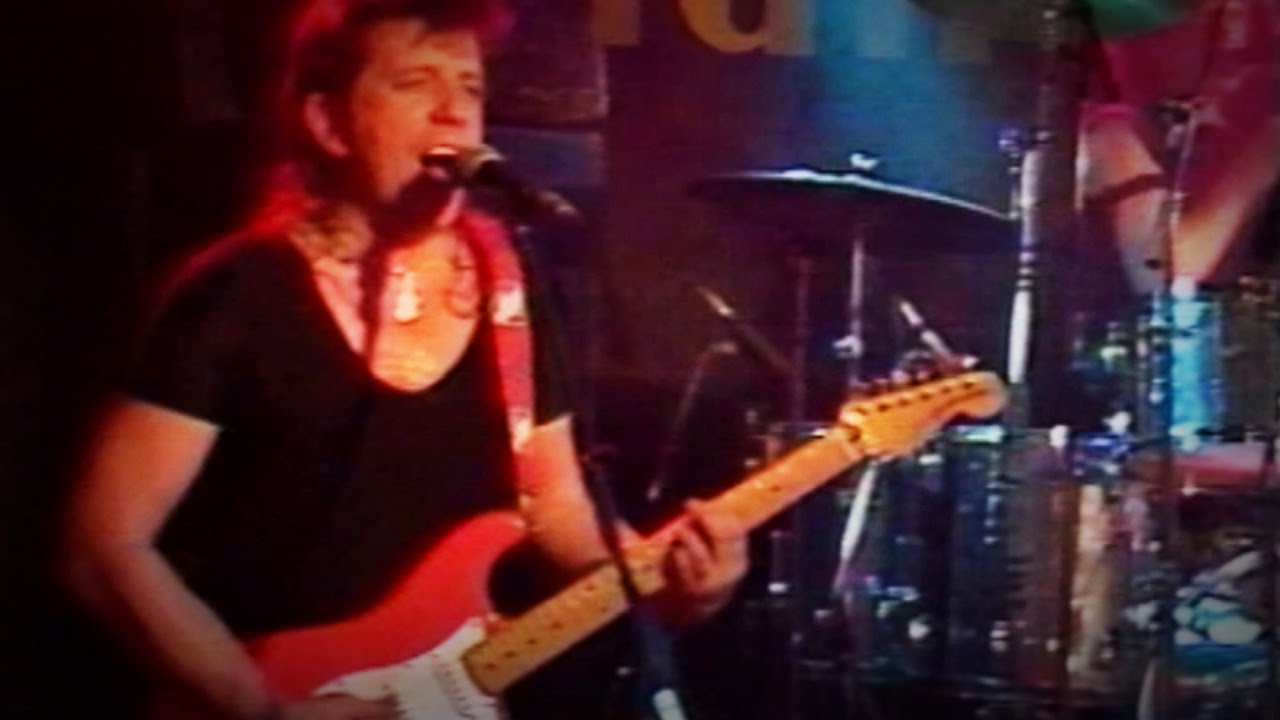
The BBC used to do outdoor broadcasts from seaside resorts, and they’d have a live band backing an artist that had a single to promote. I met the Sweet when the Elastic Band was backing them for one of their early songs.
Lucky for me, the single [a cover of the Archies’ Get on the Line] wasn’t a hit, and their guitarist, Mick Stewart, moved on. I lived down the road from the auditions, and when I walked into the room, they recognized me from the Elastic Band, which definitely helped.
Is it true you maxed out your amps and blew everyone away at the audition?
Yes, because I wasn’t used to stacks. The previous guy that auditioned turned the amp way up, and when I plugged in, it was howling. I was using a Gibson ES-335 because I’d seen Clapton play one. The amp was turned to 11, and I played a few notes and hammered out a few licks. Suddenly the bass player, Steve Priest, was awake – and he and I were off.

Did they care about how you looked as well as how you played?
Sweet only had one guitar player, so I had to fill a lot of space. When we recorded, I doubled identical guitars left and right
Very much so. When I walked in, my hair was long like Ian Gillan’s. Nicky Chinn thought I looked like a scruff. The first thing he did after I passed my audition was to send me to Vidal Sassoon on Bond Street to get my hair sorted out.
The Sweet were initially a bubblegum pop band. Where did the harder edge come from?
It came from my love of Ritchie Blackmore and Tony Iommi. Tony’s sound was smooth and clean, but also filthy. Blackmore didn’t use fuzz – he got his sound from the amp – and he used a Strat, which inspired me to get one as well. Sweet only had one guitar player, so I had to fill a lot of space.
When we recorded, I doubled identical guitars left and right. There wasn’t much palm-muting going on back then, so I relied more on ringing strings. The sound was big and fell somewhere between pop and rock.
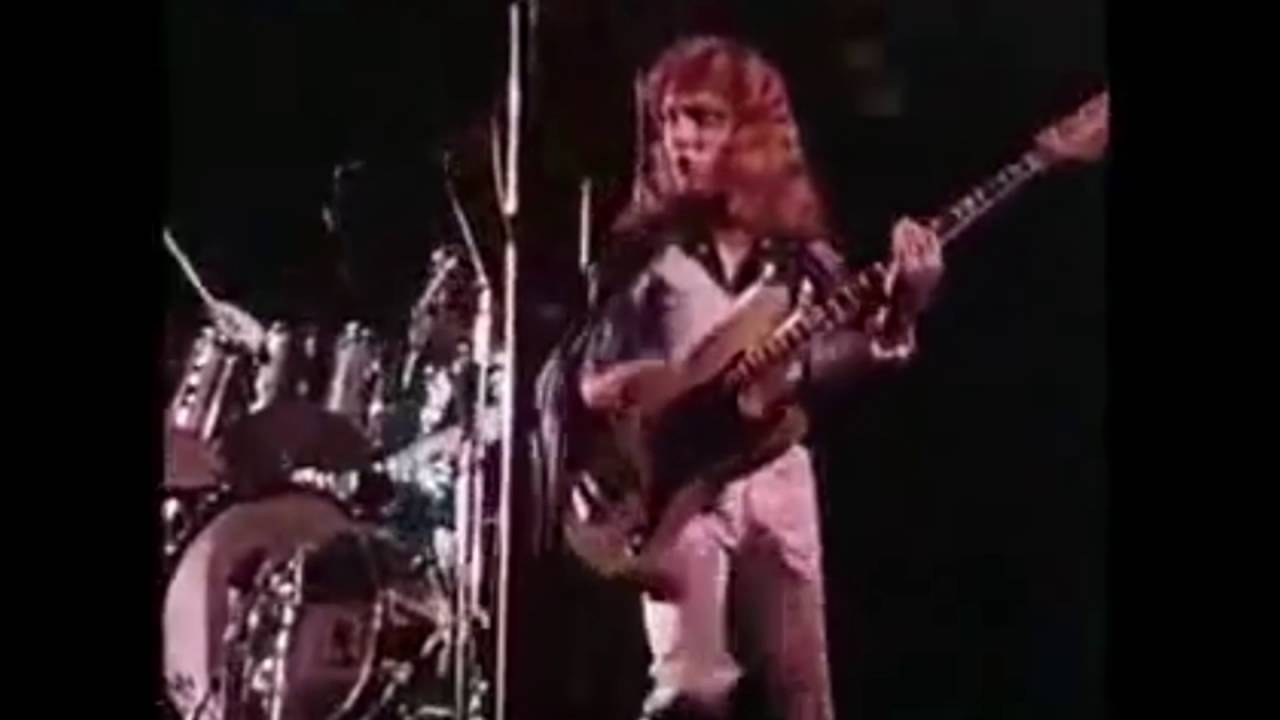
As a skilled guitarist, it must have been frustrating to defer to session musicians in the studio.
When I joined the band, producer Bill Wainman and the studio guitar player, Pip Williams, had already started work on the first Sweet album. The band wrote three B-sides, and those are the only ones we were allowed to play on. We weren’t happy with the album because we had no control over it.
We started playing on all the music after we did the single Wig-Wam Bam, and we insisted on playing our own instruments. After that, everyone realized the songs sounded better when we played them.
What gear were you using at the time?
I had my red 1963 ES-335 and an old John Hornby Skewes treble booster, which I’d put into a pedal. I also had a Copicat echo unit made by Watkins that had a boost in it. So I had two boosters and I went into a Jennings [Electronic Industries] AC40, which is like the Vox AC30 but slightly louder and more well-rounded.
Plus, I’d been given amps by a new British company called H&H. I had one of their combos, which was a prototype that was quite dirty. My sound came from getting a mix between something slightly dirty and something slightly cleaner.
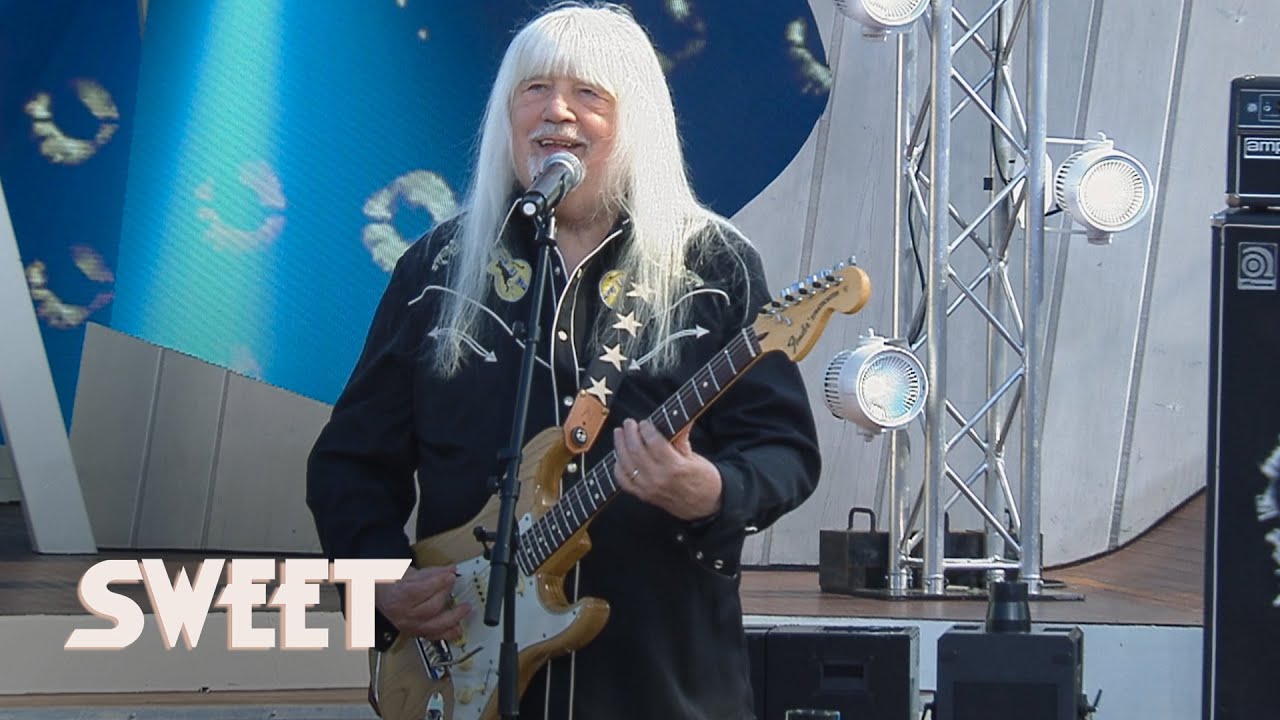
Was there a united glam community, or were you, David Bowie, T. Rex and Slade all doing your own thing?
At first, people were doing their own thing. David Bowie had metamorphosized three or four times before he hit the Ziggy Stardust thing. When I saw Marc Bolan in Tyrannosaurus Rex, he was playing psychedelic folk. They had a tom-tom player and an acoustic guitarist, and they sat on tuffets. Then, all of a sudden, they’re T. Rex, the songs are all electric, and they sound really good.
I bumped into Marc at the end of 1971 at an awards ceremony in Germany. We were voted Best New Band, and he won for the Best Band of the Year. He was dressed up and had silver makeup under his eyes and sparkles in his hair.
Next to him, we looked like guys hired to carry his equipment. In a bar afterwards, we asked him where he got his clothes, and he referred us to people who made cool stuff for us. Something was already happening, but when Bowie did Starman on Top of the Pops in July 1972, everything kicked off big time.
Were Slade on the scene as well?
They were doing something not dissimilar. And it became a race between T. Rex, Slade and Sweet for who would have the biggest hits. Really, Bowie was in his own world.

Was there any kind of rivalry between Slade and yourselves?
Since we were both doing well, there was a sense among some people that you were either a Slade fan or a Sweet fan. Before they were Slade, they were called the In-Betweens and, funnily enough, they were in the Bahamas and Florida when I was there in the Elastic Band, so we got to know each other.
Fast-forward a bit, and we were both having hits and competing for the charts. At the same time, we were friends.
Like many glam bands, you flirted with androgyny and cross-dressing.
We wanted to get people’s attention. When he was interviewed once, Mick was asked, “Oh, you’re part of this androgynous thing? Girls or boys – which are you?” And he said, “We’re the slightly villainous ugly sisters.”
That was about right, but we couldn’t keep it up. Brian Connolly still wore a sparkly white suit, but Steve and I started wearing leather and studs more like Judas Priest.
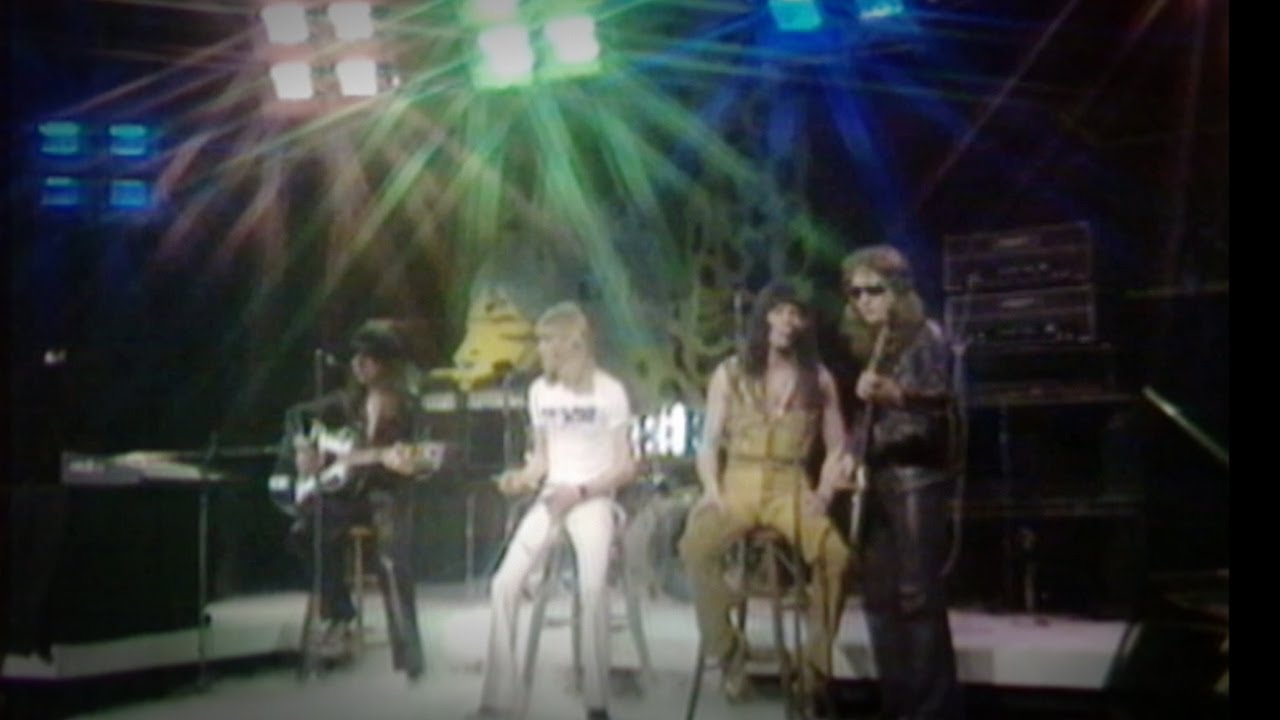
By late 1973, you already had eight U.K. singles in the Top 40 and one in the U.S., Little Willie, which peaked at Number 3. What was the chemistry like in the band?
Sometimes we argued, but from 1973 to 1976, we were definitely a unit. When we got into town, we were an entourage of six – four in the band and two tour managers. We would arrive in town and be like a mini army.
When anybody attacked us verbally from the outside, we would have the back of whoever was being attacked. And we never felt threatened because we had big roadies.
If anybody wanted to get physical, they quickly changed their minds. Having said that, Brian was beaten up [in 1974 while working on Sweet Fanny Adams]. A couple of journalists were saying his voice would never be the same and that the band was over. Then we made our best album.
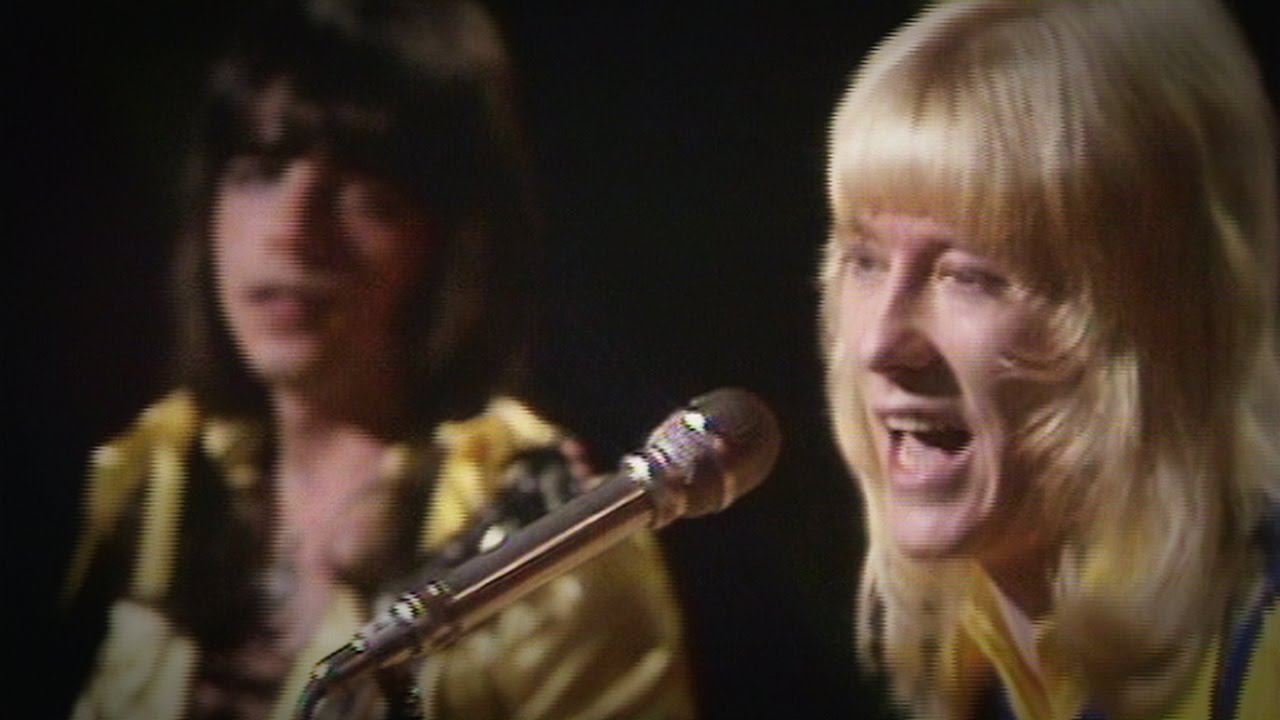
Sweet Fanny Adams was a turning point for you in the U.K. Yet, like your first record, it didn’t come out in North America.
Half of the album came out in America on a different version of Desolation Boulevard, which also had The Ballroom Blitz and Fox on the Run on it, so no wonder it went double Gold over there. That was good for us, and we were able to tour America.
When did your relationship with Chinn and Chapman begin to sour?
Mike was the driving force all the way through songs like Block Buster!, Hell Raiser and The Ballroom Blitz. Then they did Teenage Rampage and Turn It Down, which were also good. But when they moved to America they didn’t do anything for a while.
They finally wrote Turn It Down, which was inspired by a Cheech & Chong thing, and it wasn’t a hit. That’s when we knew something had to change. The record company phoned me up and said, “You need a new single, and we think Fox on the Run from Desolation Boulevard is perfect, but it’s not recorded properly.”
Is that why the U.S. version was different from the one on the U.K. pressing of Desolation Boulevard?
The U.K. version was very stilted. It sounds like a quick recording, which it was, but it had a little bit of a vibe going on. So when Nicky and Mike were in America, we went into Ian Gillan’s Kingsway Recorders under the cover of darkness over a weekend and redid the song.
I told Mick and Steve, “Look, I’ve got an idea for the intro. Just go to the pub, and in the morning you’ll hear what I’ve done.”
I had just gotten these ARP 2600 synthesizers so I created this part that brought the song to life. We also did a three-part guitar solo, kind of like Steely Dan, and it came out as the perfect pop-rock song.

There are parallels between the rhythm and lead guitar tones and vocal styles of the Sweet and those of Queen.
Mick and I were out in London one night, and somebody said, “There’s a decent band playing in this place in Fulham.” We went down there, and it was Queen without Freddie Mercury, back when they were called Smile. I thought they were terrific, and I said to the guys, “Maybe we should see if we could produce them.”
About a year later, the Queen album came out. I thought it was brilliant, and every time I met them, they were affable. Then, Melody Maker put out a cover where Brian was on one side with his mic and Freddie was on the other side.
We went down there, and it was Queen without Freddie Mercury, back when they were called Smile. I thought they were terrific, and I said to the guys, “Maybe we should see if we could produce them”
There was a big “Vs” between them, which encouraged this rivalry thing. And when you listen to Keep Yourself Alive and Stone Cold Crazy, you can hear similarities to us. So, just as Queen were getting huge, I said in an interview, “Well, sometimes you open the door, and you’re left holding the handle.” That bothered some people.
After you parted ways with Chinn and Chapman, you released a couple of direct rock albums composed entirely by the band. Then, in 1978 you released Level Headed, which featured some of your most eclectic, experimental songs, including the ethereal, proggy Love Is Like Oxygen, which became a staple of U.S. classic-rock radio. It seemed like a comeback, but it was one of Brian’s last recordings with the band.
When we recorded Love Is Like Oxygen, we had to do it in the morning when none of us were at our best because we knew that by afternoon, Brian would be drinking so heavily he wouldn’t be capable of singing.
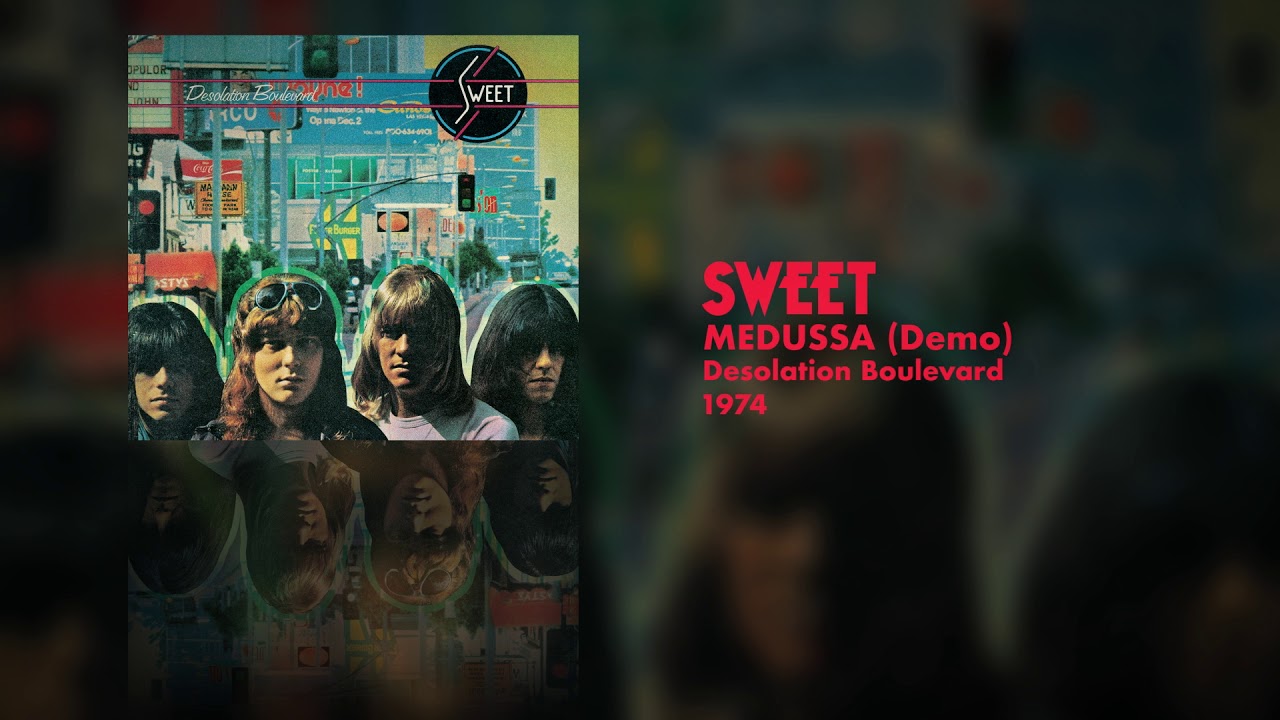
The reason Steve and I each sang a song on Level Headed was because Brian was in no condition to do them. That continued, and in 1978, he collapsed a couple times on tour. And, somewhere in Alabama, Brian lurched onstage and knocked his mic over. Then he almost fell down. Within seconds, our manager grabbed Brian and rushed him off.
Then there were shows when Brian was only part there. He’d start singing and I’d have to finish. We got through the concerts, but it wasn’t a good look. So we put on the brakes and Brian was sent to a place to dry out.
After a few days, our tour manager went to check in on Brian and the people at the rehab place said they hadn’t seen him all day. The tour manager checked Brian’s room. He wasn’t there and the window was open. They launched a search and found him in the nearest pub about half a mile away.
What was the straw that broke the camel’s back?
When we were recording [1979’s] A Cut Above the Rest at Clearwell Castle [in the Forest of Dean, U.K.], we couldn’t get a single usable master vocal out of Brian. We did everything we could, but he was beyond control. At one point, he fired a shotgun out of a window into a bird sanctuary.
When we heard the bang, we said to the tour manager, “You need to take that gun off him!” He said, “I’m not going in there.” Steve said, “Well, If we go in there, he might shoot us.” Eventually, the owner of the castle took the gun away and told Brian he wasn’t welcome there anymore.
After Christmas, we were called into our management’s office. They said, “There’s only one way the band survives. Brian has to go.” And the rest of us kept the band going as a three-piece.

Did you ever consider a replacement lead vocalist?
We played some shows in America with Rainbow, and at one point, Ronnie James Dio came into the dressing room and said, “You can see what’s going on here. Brian isn’t going to last the distance. If you need some help with the vocals, I’m your man.”
Did you follow up with him?
He called me later and said, “I don’t like what’s going on with Ritchie Blackmore and I’m looking for an escape.” Brian was gone at that point, so I talked to the guys. Steve was so against it. He said, “We’ve been singing our own songs without Brian. Why would we need someone else?”
I told Ronnie how Steve felt, and he said, “You could always leave and join me.” I thought, “Well, that’s an interesting idea,” but I couldn’t do it. I knew that if I left the Sweet, that would be the end. The other guys weren’t band-leader types. Then Ronnie formed Dio, and that was that.
The Sweet broke up in 1981, and you and Mick toured Sweet songs starting in 1984.
When Mick and I agreed to get back together I thought we were going to talk Steve into it. We booked a tour of Australia to see if the band was still capable, and we were, but Steve didn’t come. It was just Mick and I, and that lasted until 1991.
Is that when Mick became ill?
He got too sick to tour, and then he was diagnosed with leukemia. He was never the same after that and went into retirement. He died from the disease in 2002.
Brian formed his own version of the band, the New Sweet, in 1984. To avoid confusion, you changed your band name to Andy Scott’s Sweet and he toured as Brian Connolly’s Sweet. Was that frustrating?
There were times when Brian’s band and mine were touring [separately], and it got a little difficult, especially when someone with Brian phoned a venue that had booked us and told them, “We can do it cheaper.” Then Brian got sick and stopped touring and they did shows without him, which wasn’t right.
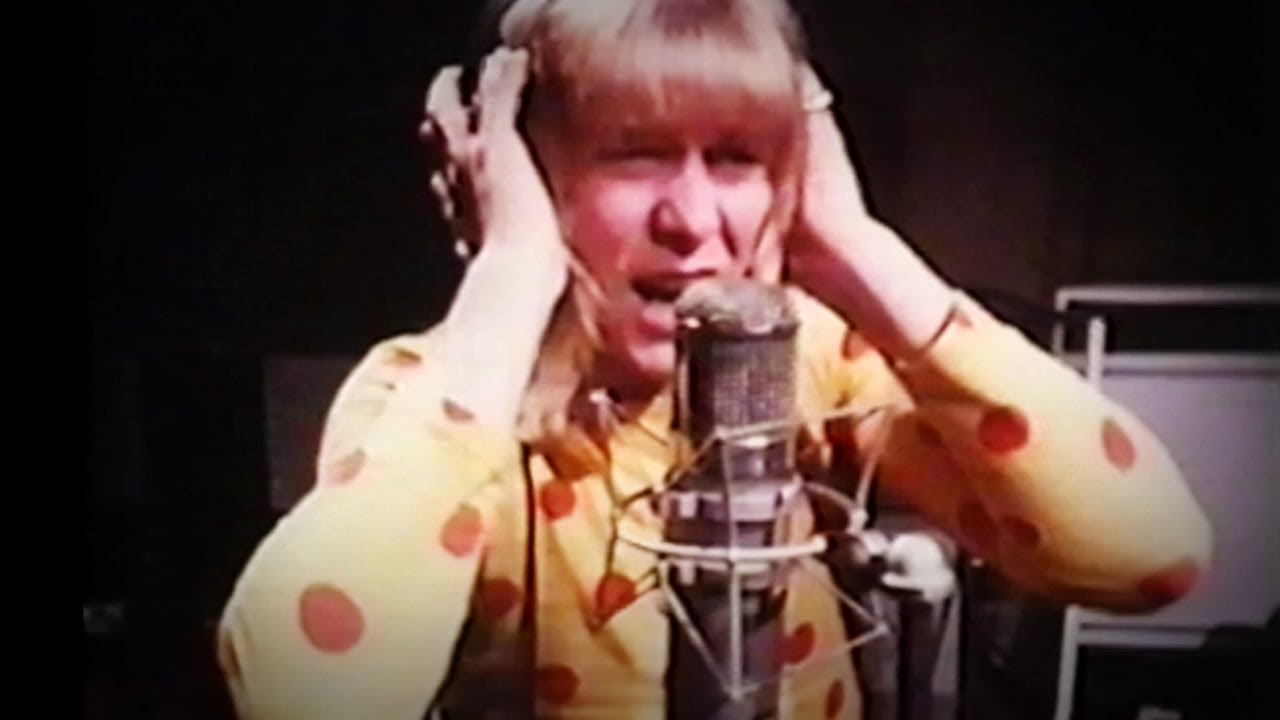
People think we had a falling out and stopped talking, but we never did. He used to phone me up and ask for advice. In 1996, I called Brian and told him we were about to do another tour around Christmas.
I asked him if he would come along and sing the hits with us for the last half-hour of the show. He agreed to do it, but by Christmas, he was too sick. In January he went into hospital, and in February he died [from alcohol-related heart and liver problems].
Steve Priest formed a different version of the Sweet in 2008 to tour North America. Did you stay in touch with him?
Not as much as I did with Mick and Brian, but I’ve never fallen out with anybody. The thing about Steve that was frustrating was that he ranted at me because six months after Mick fell ill, I continued the band.
So I phoned Steve and said, “Mick’s not well right now. Why don’t you come back and do some dates with me, and when Mick gets better, all of us can continue together. He said, “I hate it, I don’t want to do it.” But he also didn’t want me to do it.
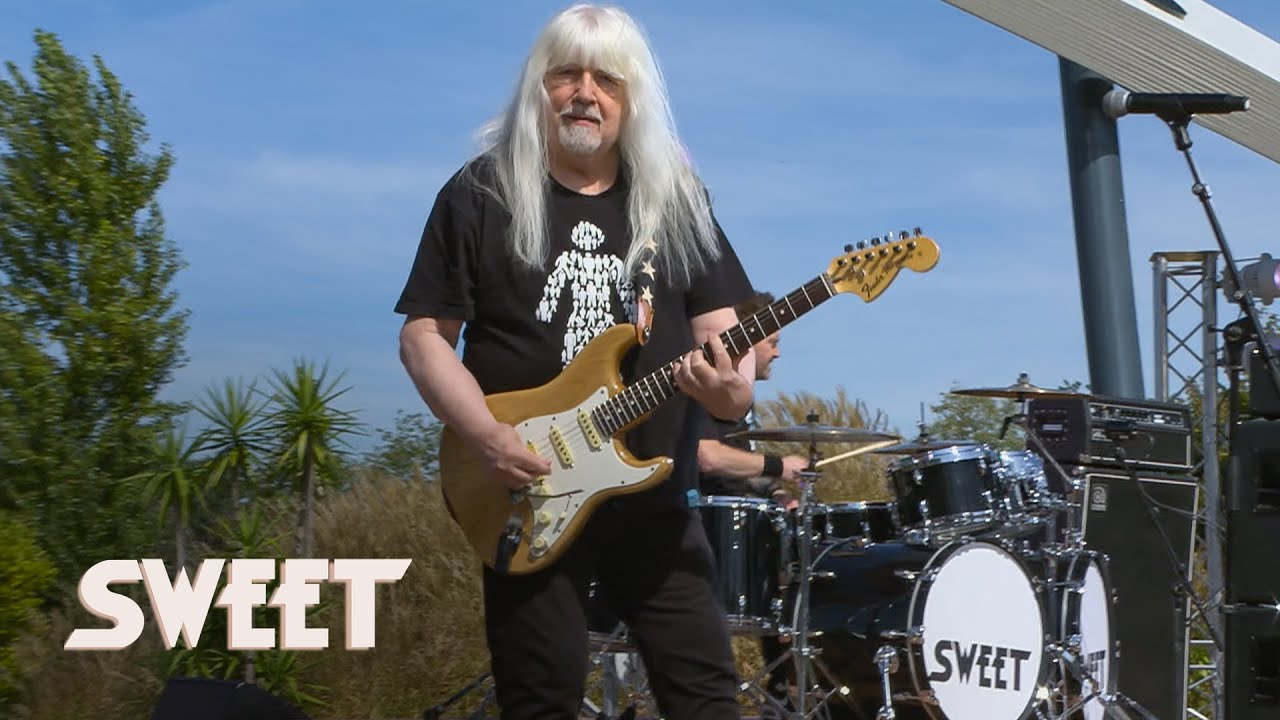
Steve died in 2020 from pneumonia when he was 72.
That was terrible. I remember phoning and talking to his wife. I said, “Is there no way of talking to him?” And she said, “No, he’s in a medically induced coma.” He never recovered. I was gutted. I’ve been gutted every time one of them passed away. Brian was in his early 50s. Mick was just 54. I’m the last one.
You had a health scare around the same time Steve got ill. How are you holding up?
I’m still going. In 2009, I had just turned 60 and I was having bad stomach problems and had to see someone. They tested for everything, and it turned out I had prostate cancer. When they told me, the room swelled, and all I heard was white noise.
They found out the cancer was quite advanced, but it hadn’t left the prostate. I was really lucky. I didn’t need chemo, so I had hormone and radiotherapy. The only thing I can’t take is intense heat. So the summer festivals aren’t good for me.
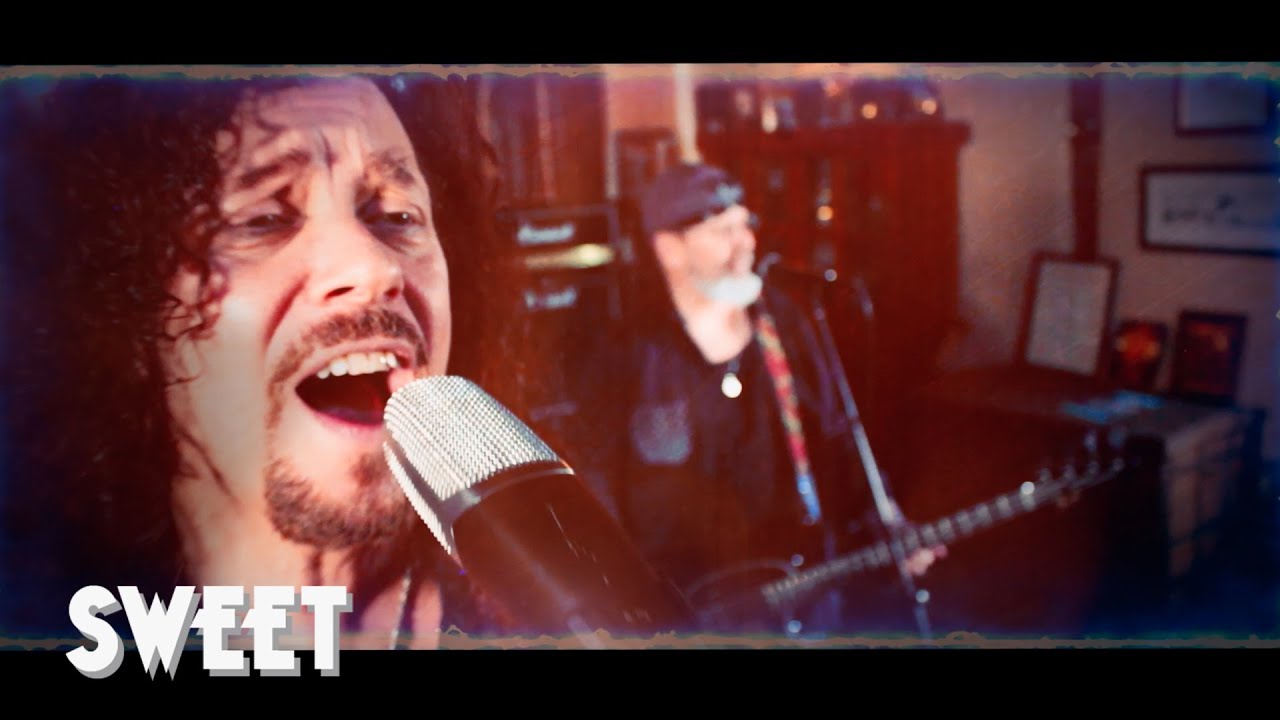
You’re in the middle of a six-month tour to support your most recent album, Full Circle. Does your touring rig differ substantially from the rigs you used in the ’70s?
[Laughs] You can’t even compare them. When we started to tour America, I had a Fender set up, an H&H setup and a Marshall setup, plus two Leslie cabinets, one on either side of the stage, and they were driven by an H&H 100-watt head. We set up three heads on the bottom and the speakers on top of them so they were at body-level instead of at our waists.
Normally, I’d run the H&H and the Marshall together for the majority of the set, and I’d bring in the Fender amps when I used the Telecaster on a couple of songs. The Fender amps and the Marshall amps were a great combination.
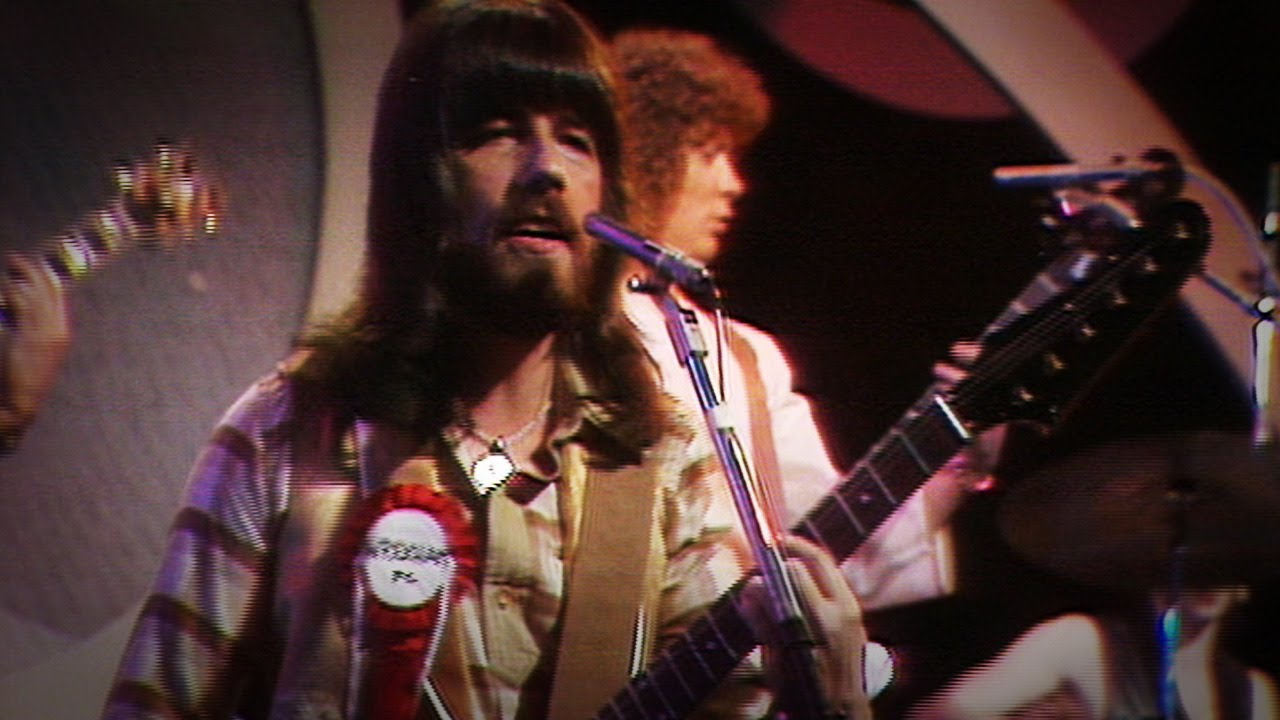
And now?
I just use a Marshall 50-watt head with the 2204 circuits I’ve used for the past 20 years. Sometimes I also use a [BluGuitar AMP1], which is a [100-watt] hybrid amp that has a great punch. It was invented by German guitarist Thomas Blug. It’s about the size of an iPad and it’s got microvalves (aka nanotubes), so it sounds like a tube amp. I don’t take expensive equipment on the road anymore.
I’ve got a Strat and two early, well-modded Japanese Squiers from the Eighties that sound fantastic. And then I have another Strat and practice amp that I bring just to play in the hotel or dressing room. I’ve got a volume pedal and Boss ME-5 from the early ’80s, which has got all the original effects built into it.
Whenever I see one of those, I buy it in case the one I’m using stops working. And I’ve got an Eventide H9 built into the effects chain, which gives me some extra octaves, echoes and tremolos. But that’s about it. It’s pretty simple – especially when you look at all the stuff we used to cart around.
![Array]](https://backingtracksfullcollection.com/wp-content/uploads/2026/05/1779850244_Array.svg.svg+xml "Leading record industry bodies unite to introduce labelling program for generative AI in recorded music 48")