
![Array]](https://backingtracksfullcollection.com/wp-content/uploads/2026/05/Array.svg.svg+xml "“If we’re lucky he made it to part of a soundcheck. If we weren’t, he’d just show up at the beginning of the gig, and call his tunes in whatever keys he felt like”: Marc Ribot reveals just how hard Chuck Berry was on other guitarists 18")
There is this whole thing in popular culture right now about relatability. Oh, would you look at them, they’re just like us. He likes pastrami on rye, too! And so on. Blame social media.
But sometimes, oftentimes, our pop-cultural heroes are more spectacular when they appear to have been wired to a different power grid – that there’s a little bit of Planet Krypton to them.
Reassuringly, Chuck Berry is like that, and in a recent interview with Rob Cass for the dopeYEAH talk YouTube show, session great Marc Ribot reminded us of the magic of the Godfather of Rock ’N’ Roll – and he did not disappoint.

Ribot got the privilege of playing alongside Berry when he was playing with the Realtones, the band fronted by Brenda Bergman. Bergman had to take some time out for “a drug problem”.
Thereafter, the Realtones – who were latterly known as The Uptown Hordes – would become a renowned backup band in the late ’80s, playing out of Tramps, in NYC, playing with a rotating cast of R&B greats, including the likes of Rufus Thomas, Solomon Burke and Carla Thomas.
“Because of that, we got to back up Chuck Berry whenever he’d come to town,” says Ribot. “And we took it super-seriously, as well we should have.”
Ribot says when Berry played, something magical happened. He didn’t need too many notes to do it either.
“The thing was that Chuck Berry’s power as a guitarist was such that when he’d play one note, you could see a ripple go out in the audience,” says Ribot. “It was like an electric charge. He had such an amazing economy of play, and an amazing power of playing, and what [Spanish poet, Federico] Garcia Lorca would have called Duende – just this attitude.”
But Berry was notoriously difficult. He was exacting on the guitarists he played with. Just ask Keith Richards. Berry punched him right in the kisser.
Ribot says backing Berry was a test of a player’s nerves, but more than that, it was a test of their dedication to their craft. Every player should know Berry’s guitar parts, front to back.
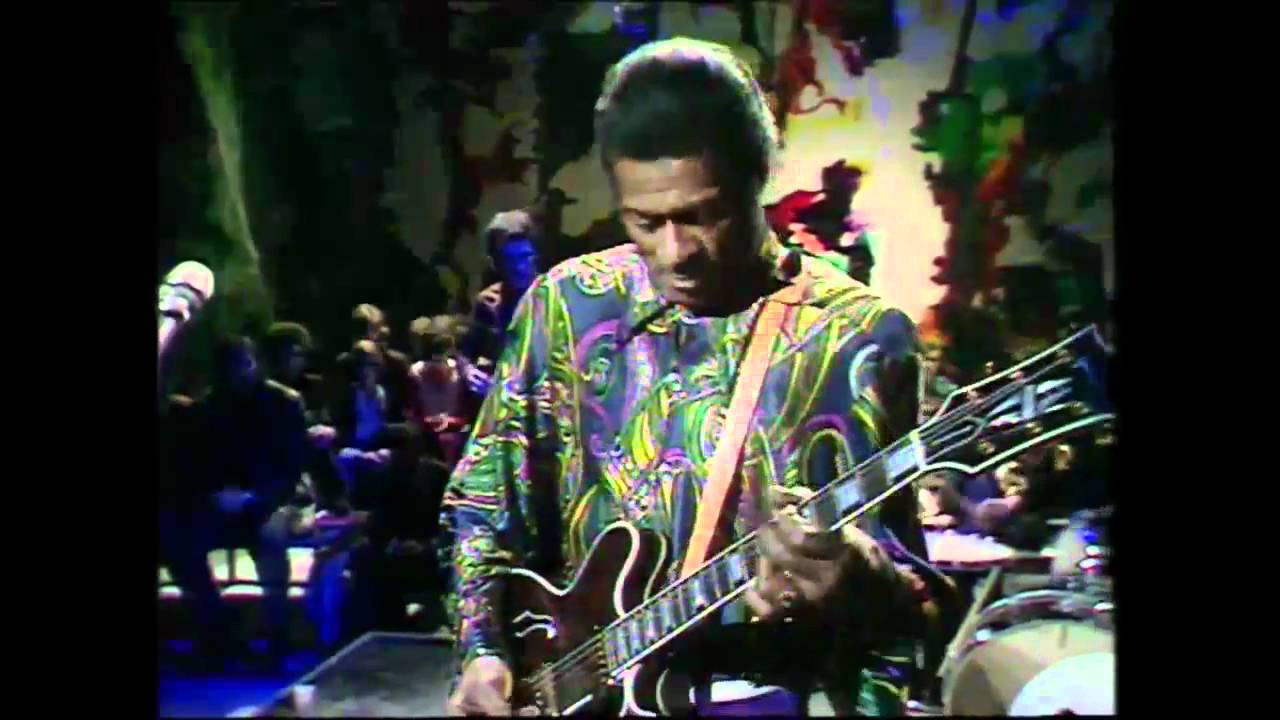
“It’s like if you’re a preacher, you should know the Bible, and if you’re a rock guitarist, you should know every Chuck Berry solo,” says Ribot. “It’s amazing. We would back him up, and we wrote out all the horn parts. We learned all the horn parts.”
Berry would not always turn up ahead of the show. If he did, the band could run things through with him. If not, they just had to be as prepared as they could be.
“If we’re lucky he made it to part of a soundcheck. If we weren’t, otherwise he’d just show up at the beginning of the gig, and he would call his tunes in whatever keys he felt like,” says Ribot. “But we were ready. We transposed them.”
The hard work paid off. Berry would haze guitarists who overplayed, who underplayed, who came somewhere in between but still fell short of moving him.

“I was very proud because Chuck was notoriously hard on guitarists,” says Ribot. “He was famous for featuring them, having them stand out front, and saying, ‘Isn’t he fabulous, ladies and gentlemen?’ You know, they clap him. ‘Now get the fuck out of here!’ [Laughs] Happily, I didn’t meet that fate.
“Its a thin line, because a lot of guitarists would go and either be so worshipful that they would want to imitate him exactly, which he didn’t like, or they would be saying, ‘Hey, man, I’m gonna show everybody that I can play better than Chuck Berry.’ So they’d do some kind of bullshit hot-dog solo, and he’d say, ‘Get the fuck out of here!’”
Ribot was different. He actually got praise.
“He had kind words to say about my blues playing, which I never forgot,” he says. “So, yeah, it was great.”

You can check out the full interview above and subscribe to the dopeYEAH talk here. And if you think Chuck Berry sounds nuts, then Ribot has some fun stories about Wilson Pickett.
Who would have thought the soul star would be such a riot starter, but there you go. It’s like the man said, take your pleasure where you find it.
![Array]](https://backingtracksfullcollection.com/wp-content/uploads/2026/05/1779850244_Array.svg.svg+xml "“It’s one of those moments - and it doesn’t happen very often - where the hair stands up on the back of your neck. You just know that this is going to be a huge song”: How Eminem made the ultimate motivational anthem 29")