![Array]](https://backingtracksfullcollection.com/wp-content/uploads/2026/05/1779850244_Array.svg.svg+xml "“Morrissey sent me one of his famous letters which I’ve framed on the wall. It just read, ‘Dear Bernard, I’m sorry - I can’t’”: Bernard Butler shares with us the events that almost led to a team-up with Morrissey 18")
Love him or loathe him, there’s no denying that Morrissey is one of British indie’s most significant icons. Once a darling of the national weekly music press, there was a spell during the mid-1990s when the ex-Smiths figurehead was a somewhat adrift figure.
Pilloried by the press for (what some perceived as) flirting with nationalistic imagery during his flag-waving appearance at 1992’s Madstock (and some dubious lyrical content on his 1992 album Your Arsenal), Morrissey was further maligned when the stars of the nascent Britpop scene started stealing the covers that were formerly his. Some next move-plotting was clearly required.
The chart-topping success of his fourth solo record Vauxhall and I in early 1994 would be the last hurrah of Morrissey’s solo imperial phase before all-encompassing legal entanglements with former Smiths drummer Mike Joyce dominated.

1995’s difficult fifth LP Southpaw Grammar found Morrissey retreating further into the fringes. He’d remain there – biding his time – until 2004’s radiant comeback You Are The Quarry saw him cannily recast as a godfather of British indie.
But lets rewind the clock back to that tricky post-Vauxhall, pre-Southpaw period, and a time when a rootless Morrissey is on the hunt for a new musical foil…
It just so happened that that very summer of 1994, a man who some had held up as the inheritor of Johnny Marr’s British guitar-god baton – Bernard Butler – was also scouting for a vocalist following his dramatic exit from Britpop-pioneers, Suede.
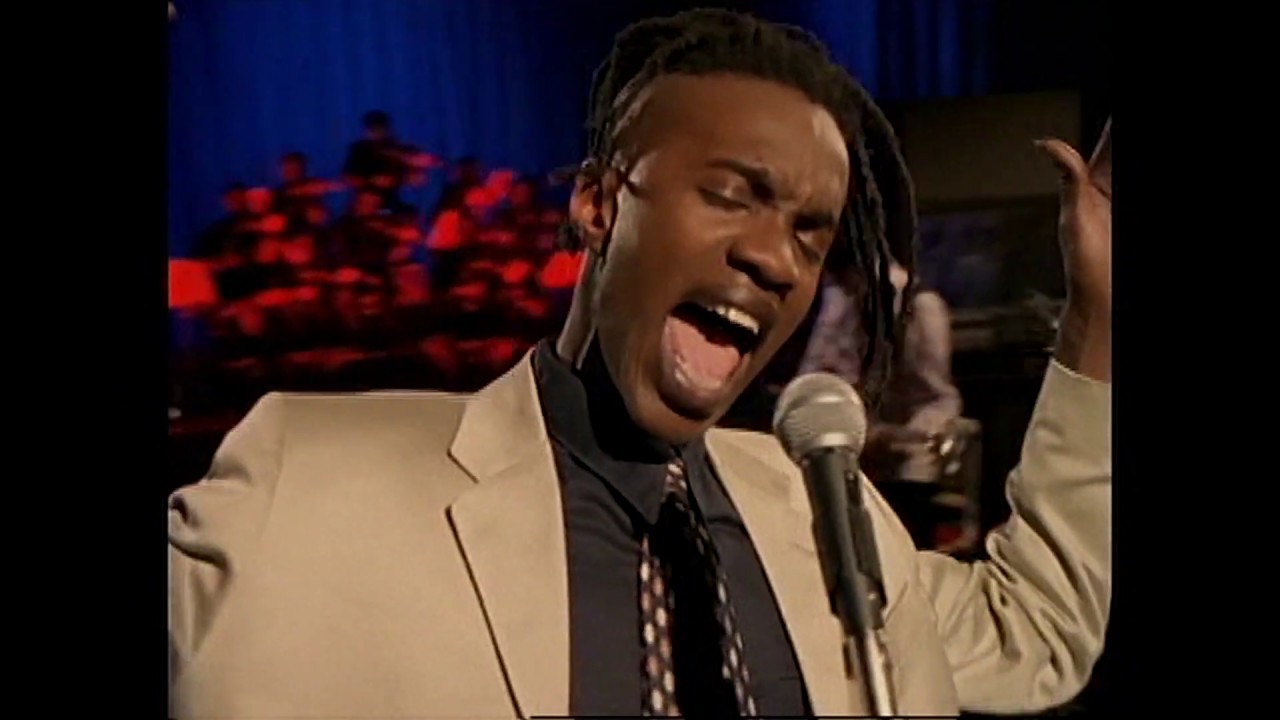
We recently spoke to Butler as part of a lengthy deep-dive into the making of McAlmont and Butler’s euphoric Yes. During the interview, Butler recollected how Morrissey – upon hearing his original demo for the song – became fixated.
It all started with a phone call to mutual friend and Rough Trade label manager, Geoff Travis…
“Geoff phoned me and said, ‘Morrissey’s round the corner in a phone box. Can I play him that piece of music?’” Butler told us “I said, ‘Yeah – whatever you want’… And then about an hour later, Morrissey phones me – he was gushing about it [Yes]. He wanted to meet me. It was a sunny Friday night, and we went to the Edinboro Castle pub [in Camden], which had a big beer garden. It was packed, but nobody knew who he was, and I remember thinking how odd that was. We just chatted about stuff for a couple of hours, and he was everything that you thought he would be.”
Following a few hours of good-natured pub conversation, an eager Butler awaited Morrissey’s further instructions…

“I didn’t hear from him, and I was thinking, ‘Oh, God, what’s going on with this song?’”, Bernard recollected. “And then four or five days later, he sent me one of his famous letters through the post, which I’ve still got – it’s framed and on the wall. It just read, ‘Dear Bernard, I’m sorry – I can’t.’ So, that was the end of that.”
Or so Bernard thought…
Sending his demo around various different prospective singers, some keen interest came from the late, great Kirsty MacColl.
“Again, she was gushing and said, ‘I love the tune’. This must’ve been August ’94, so I went round to Kirsty’s on a Sunday afternoon, but when I got there, she was totally different. I knew she was going through a divorce, I’d met her at a bad time, and she was very upset and not easy to be around. She said, ‘Right – this song… I’ve changed my mind. I think it’s quite good, but we need to do a lot of work to change it.’
“I don’t want to be arrogant about it – a collaboration is a collaboration – but it didn’t feel right and I didn’t want to do all the stuff that she wanted to change,” reflected Bernard.
Suddenly, the doorbell went…
“While I was there, Morrissey turned up! I was in the garden with Kirsty and she was drinking wine. The doorbell went and Morrissey came in. He said, ‘We meet again…’ It was so Morrissey – it was like he was Byron or someone.

Butler was bamboozled by Moz’s unexpected reappearance…
“I was thinking, ‘What’s going on here? Does he know that I’ve brought this song to her or not?’ Of course he does – they were mates. So, eventually, I got myself out of that, and I went home. I turned to my missus and said, ‘This is all a bit mad’. And then we went out for a bit and when we came back there was an answering machine message from Johnny Marr! I was like, ‘What the f**k is going on?’ That’s another story. Johnny knew I’d been with Kirsty and Morrissey – he was very nice.”
Of course history had other ideas, and before long Bernard met former Thieves vocalist David McAlmont and soon formed his spellbinding duo. But we can’t help but wonder what Morrissey’s take on the song would have sounded like? A tad more depressing, we venture?
The lyrics (and we can only assume, vocal melody) would have been quite different to the final song (as these were later penned by McAlmont) but the question is would Morrissey have emphasised this new partnership with one of the pioneers of Britpop by rebranding as Morrissey & Butler? Would Bernard have simply been absorbed into Morrissey’s then-backing band, or would Moz have simply have taken the song off Bernard’s hands entirely?
Read our full interview with Bernard Butler and David McAlmont on the making of Yes here.