

Raphael Saadiq has been a torchbearer for organic bass grooves in contemporary R&B since his early-’90s breakout as Tony Toni Toné’s frontman.
Since then, he has provided basslines for East and West Coast rappers such as A Tribe Called Quest, Snoop Dogg, and Q-Tip, and he’s played a key role on D’Angelo’s critically acclaimed neo-soul albums.
When asked in the May 2004 issue of Bass Player about the loose, way-back-in-the-pocket feel that he and groove masters such as Pino Palladino brought to ’90s R&B, Saadiq simply replied: “We call it the grease.”
Latest Videos FromGuitar World
“It’s a way of laying behind and then jumping right back on top of the beat when you feel you’re pulling back too much, sort of like a rubber band.”
And while the feel may be rooted in the pocket, Saadiq’s approach to tone is decidedly old-school. “I use old flatwound strings, backing off the treble and doing some thumb plucking. It gives me a tone somewhere between a kick drum and vintage James Jamerson.”
It was Jamerson’s work on Marvin Gaye’s How Sweet It Is (To Be Loved by You) that first sparked Saadiq’s interest in bass at age seven.
“My father and my uncle played guitar, so I was around a lot of music, but when I heard Jamerson on that song I told my dad, ’Whatever instrument that is, that’s what I want to play.’”
Little did he know at the time, but family connections would bring Saadiq a lesson from one of the greatest players to have ever picked up the electric bass.
“My godfather, James Levi, played drums with Herbie Hancock’s Headhunters. He always had musicians over at his house, and one day he asked this bass player to help me out.
“The guy drove me home, came up on my porch, pulled out his bass, and started playing and giving me pointers. Years later I found out it was Jaco Pastorius.”
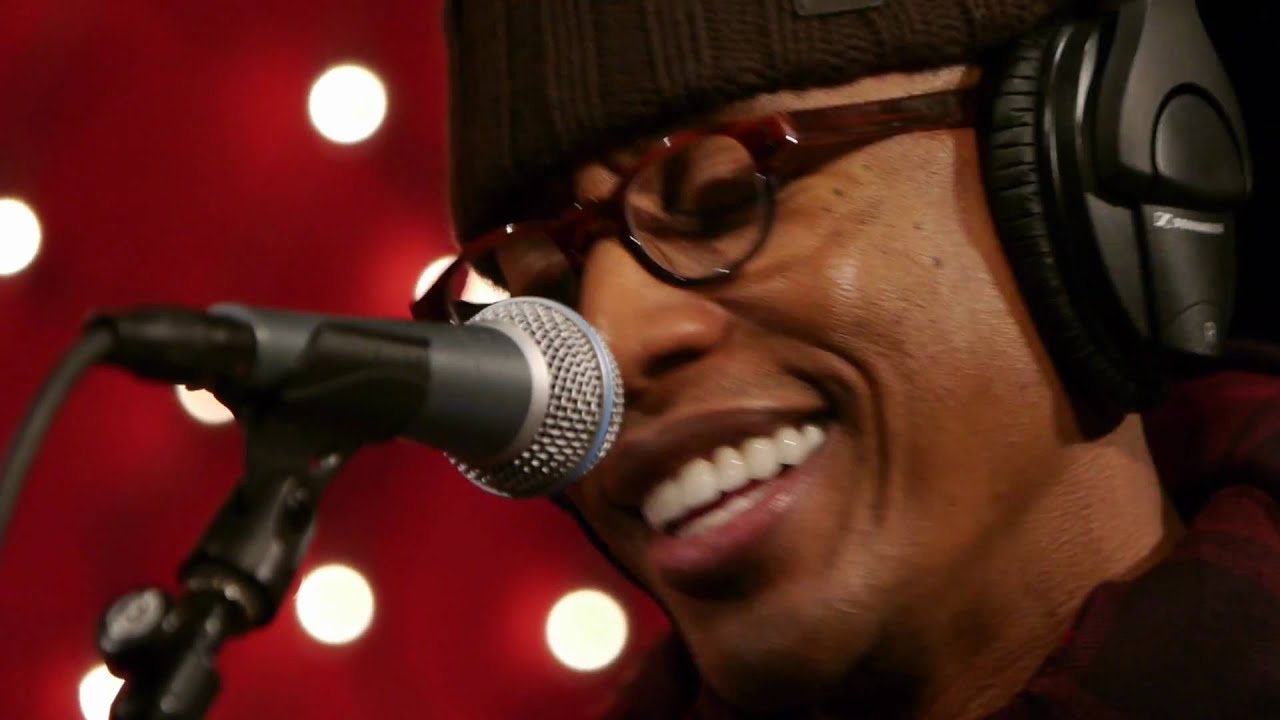
With additional inspiration from local hero Larry Graham, Saadiq earned his calluses in every musical setting and venue imaginable.
“I’d get on stage and play solo bass, or play with a drummer behind a rapper all night, changing my bassline every 16 bars or so.”
That diversity has stayed with Saadiq, who loves to jump from project to project, sometimes spontaneously contributing to an artist in an adjoining studio.
“The original greats on my instrument, like Jamerson and Chuck Rainey, played music that was for everybody, young and old, of all races. I’ve always wanted to make music that can touch that many people.”