He may not require a jacket, but Phil Collins has always worn his love of Motown on his sleeve.
Back in 1982, he had a big hit with a cover of the Supremes’ You Can’t Hurry Love, and he went on to work with Lamont Dozier – one of that song’s writers – on the Motown-esque Two Hearts, which he sang himself, and Loco In Acapulco, which was performed by the Four Tops (both songs featured on the soundtrack to the 1998 film, Buster).
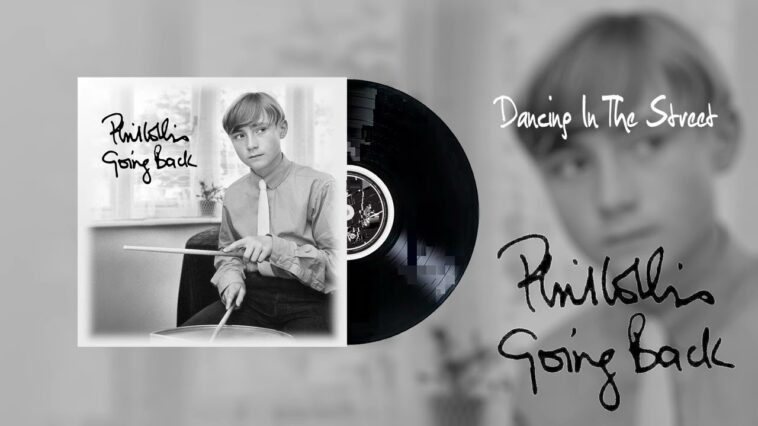
Then, in 2010, Collins gave us Going Back, a whole album’s worth of Motown and other ‘60s soul covers, so it’s fair to say that he’s studied the famous Detroit label’s back catalogue in some detail.
Latest Videos FromMusicRadar
Speaking to BBC Radio 2’s Vernon Kay for his Tracks of my Years segment, though, Collins admits that, when he was recording Going Back, there was one famous Motown moment that he struggled to recreate: the opening drum fill from Martha and the Vandellas’ Dancing In The Street.
“When I did this Motown album, I listened time and time and time again to the records to try to get the parts right,” says Collins. “Obviously, I mean they had three drummers [Benny Benjamin, Pistol Allen, and Uriel Jones] and I tried to get all the drummers little quirks. You could tell one from another, you know?”
Picking apart that Dancing in the Street drum fill, though, proved to be next to impossible.
“We played that what must have been 1000 times to work out what it was, because it’s very difficult to tell whether it’s a tom tom then a snare drum or a snare drum and then a tom tom. It just sort of breathes, you know. It’s like this little furry animal.”
In the end, says Collins, he had to settle on recording a close approximation of what’s on the original record.
“We kind of got it,” says Collins, though he admits that he “didn’t get that one” completely. Overall, though, he’s proud of how faithfully he and his band managed to recreate those original Motown arrangements.
“We nailed a lot of those little touches that only musicians would hear and people that love the records of those periods,” he says. “To me, it was just like we got to get it to sound like a record from then, not like a record from today.”