
 Lemon2021
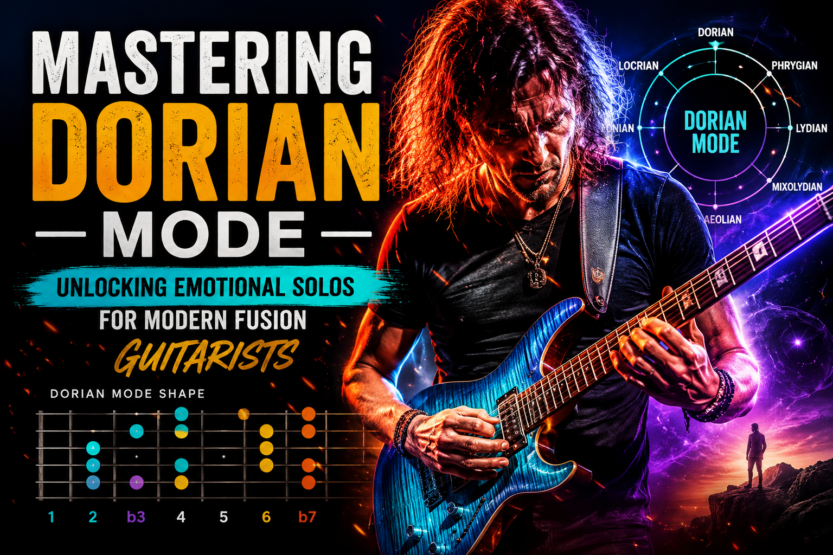
Mastering Dorian Mode: Unlocking Emotional Solos for Modern Fusion Guitarists
Hey fellow guitarists! Let’s dive into something truly captivating: the Dorian mode. If you’re passionate about improvisation and looking to infuse some emotional depth into your solos, you’ve landed in the right spot. As fusion guitarists, we crave those intricate textures and the ability to express ourselves profoundly through our music. The Dorian mode does that perfectly, blending a minor feel with a major twist that can create some stunning emotional landscapes.
What is the Dorian Mode?
Before we get into the nitty-gritty of how to use it, let’s break down what the Dorian mode is. It’s the second mode of the major scale and has a unique sound that sits somewhere between minor melancholy and a brighter major feel. The Dorian mode consists of the following intervals:
- Whole step
- Half step
- Whole step
- Whole step
- Whole step
- Half step
- Whole step
For example, the Dorian mode built on D would include the notes: D, E, F, G, A, B, and C.
This specific structure—especially the major sixth—gives the Dorian its emotional flair and makes it an excellent choice for expressive solos in modern fusion guitar.
Why Use Dorian for Emotional Solos?
Let’s face it: as musicians, we want to create feelings with our music. The Dorian mode helps us tap into a deep well of emotions. Its minor quality often evokes a sense of longing or introspection, while the major sixth adds a touch of hope and brightness. This contrast is essential in fusion music—a genre that thrives on complexity and emotional depth.
Emotional Phrasing
When it comes to emotional playing, phrasing is everything. Here are some tips to help your solos resonate on a deeper level:
-
Hold Notes: Don’t be afraid to let certain notes linger. Lengthening your bend on the major sixth (the B note in D Dorian) or the root note (D) can create a powerful emotional statement.
-
Use Slides: Sliding into and out of notes adds a human touch, mimicking the natural inflections of the voice. Try sliding into the fifth (A) from a lower note to establish a more expressive sound.
-
Combine Techniques: Mix techniques like vibrato, hammer-ons, and pull-offs. They all contribute to a more emotional delivery, especially when playing over backing tracks or live settings.
Scale Suggestions: Going Beyond the Basics
While the Dorian mode is fantastic, exploring its cousin scales can unlock even more potential in your improvisation.
The Minor Pentatonic
Start with the Dorian mode as your foundation, but don’t overlook the usefulness of the minor pentatonic scale. It’s a simple scale that transcends genres and can be seamlessly integrated into your Dorian licks. When playing in D Dorian, consider alternating between the Dorian scale and the D minor pentatonic (D, F, G, A, C). These two scales complement each other beautifully and help craft more dynamic solos.
The Blues Scale
The blues scale adds a gritty edge to your emotional phrasing. Start with the D Dorian notes, then incorporate the flat fifth (Ab)—this blue note adds a touch of spice, perfect for modern fusion.
Phrasing Concepts that Elevate Your Playing
Once you have a grasp of the scales, the next step is knowing how to phrase them. Here’s how to delve deeper:
Call and Response
Think of your solo as a conversation. Use the call and response technique by playing a phrase (the call) and then following it with a contrasting phrase (the response). This structure can invoke a narrative quality, drawing your listener in as if they were part of the journey.
Syncopation
Incorporate syncopated rhythms to add interest and excitement. Instead of playing straight eighth notes, throw in some triplets or dotted rhythms. This approach not only catches the ear of the listener but also creates a sense of unpredictability that’s essential in fusion.
Rests Are Your Friends
Don’t underestimate the power of silence. Strategic rests make your phrases more impactful, allowing listeners to breathe and absorb the music. Placing rests at the end of phrases can heighten tension, leading into your next idea with more intensity.
Fusion Guitar Techniques
When we talk about modern fusion, we need to explore some standout guitar techniques that can elevate your music.
Tapping
While tapping isn’t exclusive to fusion, it can add a spectacular flair when done on the Dorian mode. Try tapping out a phrase using harmonics or even rapid-fire sequences using the Dorian scale. The sound can be mesmerizing, pulling listeners into your sonic landscape.
Harmonics
Incorporating natural harmonics can offer ethereal tones that resonate with the emotional core of your solo. Use your left hand to fret a note and gently touch your right hand at the fret to produce harmonics. This technique can serve as a backdrop during more urgent parts of your solo or as a standalone statement.
Alternate Picking vs. Economy Picking
Both picking techniques have unique merits. Alternate picking is great for speed and articulation, while economy picking works effectively when you want to smooth out transitions between notes. Practice both techniques over your Dorian lines to determine which feels best for your stylistic approach.
Practice Ideas for Mastery
Let’s talk about how you can effectively practice the Dorian mode and its applications:
-
Isolation Techniques: Focus on small fragments of the Dorian scale. Play short phrases over a simple backing track, allowing yourself to get comfortable with each note.
-
Backing Tracks: Utilize backing tracks in the key of D minor—this can create an immersive atmosphere for your practice sessions. They’re available across various platforms and can really help you connect your improvisation ideas.
-
Transcribe and Analyze: Listen to your favorite fusion guitarists and transcribe their solos. Examine how they use the Dorian mode and integrate their techniques into your playing style.
-
Practice with Emotion: Improvise over backing tracks and let your emotions guide you. Imagine a story or scene as you play, allowing that emotional connection to inform your phrasing.
Recording and Tone Tips
Tone is a critical aspect of putting your musical ideas across effectively. Here’s how to ensure you get the best sound when showcasing your Dorian-inspired solos:
Gear Matters
Use a guitar with humbuckers to achieve a thicker sound. Experiment with your pickups—selecting those that boost midrange frequencies can add warmth crucial for expressing emotion. Additionally, consider tube amplifiers if you want that organic response; they add a musical touch that can enhance emotional nuances.
Effects for Depth
Effect pedals can bring your Dorian vibes to life. Reverb sets an atmospheric tone, while delay can create a haunting echo that fills the space. A subtle overdrive can help your solos sing with sustain—perfect for those long notes that tug at the heartstrings.
EQ Settings
In the studio or during live setups, your EQ settings can shape how your guitar cuts through. Try boosting the midrange a bit while slightly rolling off the lows for clarity, especially when you’re layering guitar parts. This way, the emotional expressions within your Dorian melodies shine through without becoming muddied.
Final Thoughts
Mastering the Dorian mode can truly enhance your emotional expression when playing guitar, especially within the context of modern fusion. This scale provides you with the tools to craft breathtaking solos full of depth and intrigue. Remember, it’s about making a connection; when you play, think beyond just the notes.
Experiment with phrasing, dive deep into practice, and don’t shy away from exploring new ideas and techniques. Developing your sound takes time and exploration, but the possibilities are endless.
If you’re eager to practice your improvisation skills further, consider exploring premium guitar backing tracks curated specifically for players like you at music.backingtracksfullcollection.com/guitar-players. They’ll offer you the inspiration and frameworks needed to explore your creativity while diving into the Dorian mode and beyond.
Happy playing, and may your emotional solos always resonate with the heart!



GIPHY App Key not set. Please check settings