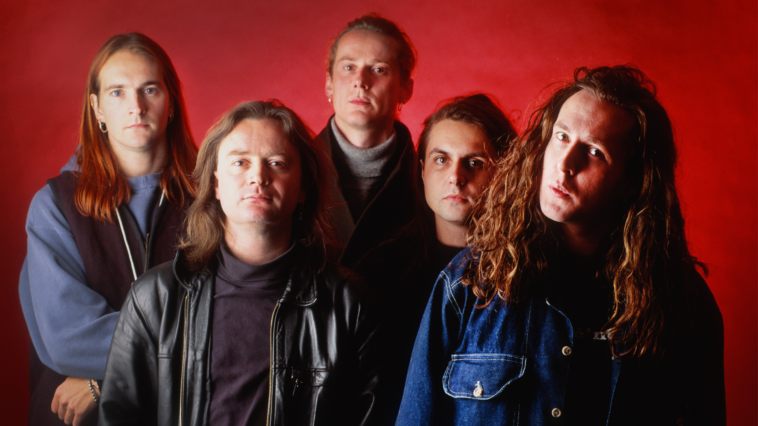
“We’ve always loved playing live, that’s what The Wonder Stuff is all about,” says songwriter and Wonder Stuff frontman Miles Hunt. “From those early days, all we wanted to do was capture the sound of our live gigs – we’ve never been the sort of band to wonder about what would happen to our kick drum if we used this or that compressor.”
40 years into the colourful musical journey of Stourbridge’s finest and The Wonder Stuff are still in love with the stage, playing a whole host of festivals over the summer of 2026 with a celebratory autumn tour lined up.
It’s been a musical career full of huge success including hits like The Size of a Cow, Caught In My Shadow, and Don’t Let Me Down Gently. They also reached the very top of the UK charts when they partnered with then on-the-rise comedian Vic Reeves (and Bob Mortimer, in the accompanying video) for their cover of Tommy Roe’s, Dizzy back in 1991. The energy and enthusiasm for performing is still palpable, fizzing down the phone line when speaking with Miles.
“I always look forward to getting back together with the band and playing to audiences,” says Miles on the forthcoming dates with fellow indie veterans, the Inspiral Carpets.
“We’re very lucky that, over four decades, the band is in great shape and we still have a load of people who want to come and hear what we can do.”
Music has been a passion for Miles since the early eighties when he joined guitarist Malc Treece in a band as a drummer. Being a little older, Malc would travel around the country to see groups, introducing a teenage Miles to the magic of Bauhaus and the Psychedelic Furs.
“He really influenced my musical education during my teenage years, we stayed friends and when I heard he was looking for a singer back in 1986, I asked him if I could give it a shot,” Miles explains. “By this time, I was writing songs at home, he agreed and here we still are.”
During the early years of The Wonder Stuff, Miles describes how the art of songwriting seemed to be the last thing on people’s minds. Instead, Malc would bring riffs and chord structures into rehearsals, then the band would jam out their ideas, leaving Miles responsible for lyrics and melodies.
“That’s how our first album, The Eight Legged Groove Machine, was written,” says Miles. “As soon as we started touring and having more experiences, I’d always be making notes. By the time of our second album, Hup, I started taking more complete songs to the band.”
“For our third album, [1991’s] Never Loved Elvis, I’d come up with basic chord structures and melodies, then Malc and our fiddle player would match them with top lines and riffs too.”
Since The Wonder Stuff’s early years, technology has grown in sophistication, with many records now easily captured and produced on laptops. Miles responded to the advent of digital tech by investing in Logic some twenty years ago.
“It’s certainly a useful tool to get an idea together and develop although I don’t use it much more than how I used tape portastudios during the eighties,” he explains. “But I do think it has influenced certain approaches. Before you’d record a demo, then bring it to the rest of the band and producer to develop it.
“When you start with Logic or Pro Tools, the demo is constantly in the finished version, and I’ve often found myself working from the same file. I always feel that many of our songs benefit from getting the initial idea into a rehearsal room.”

Outside of The Wonder Stuff, Miles also plays with the trio Vent 414, an edgy guitar band originally formed during the mid-nineties. For their most recent album, Second, which came out in May this year, the group went into the studio without any pre-formed ideas and just started jamming.
“I think there’s real life in that record as a result,” says Miles. “It doesn’t work for all types of music but I think it does for the kind of uptempo guitar sounds I work in. Budget allowing, this is the process behind a new Wonder Stuff album we’re looking to record next year. We’ll work on it from the ground up together while we’re all in the same room.”
The early days of The Wonder Stuff were flush with success. The group formed in 1986, secured a deal the following year, then started finding their audience shortly after.
Music producer Pat Collier helped steer the band through the recording of their debut album after they landed a deal with Polydor Records.
“Pat had been taught about how studios work in the days when producers would wear a white lab coat and the engineers would be in a brown one,” laughs Miles. “As a result, he had a great knowledge of what a live band is and how you would go about trying to get their feeling and energy onto tape. We were blessed to work with him.”
Miles remembers when they recorded an early single, Unbearable, and how disappointed they were with the initial results.
“Everything just sounded so flat,” Miles explains, “Then, the first time we worked with Pat, we went home with a rough mix and we were so pleased with how we sounded. He managed to make us sound like we did on stage which was what we all wanted.”
Pat worked on their debut and follow-up before the group opted for a different path and hooked up with Mick Glossop on their third record, Never Loved Elvis. Mick’s previous artists included The Waterboys, Van Morrison and many other Wonder Stuff favourites.
“Mick was put to us by the label and we were attracted to him as he’d worked with bands that were primarily live acts that had gone to make records,” Miles says. “He was exactly the right producer to be introduced to at the time, we’d go to the rehearsal room first, play through something like Size of a Cow – and I remember him saying where are ‘The Wonder Stuffi-sms’? We were playing it like we were just trying to get to the end as quickly as possible.”
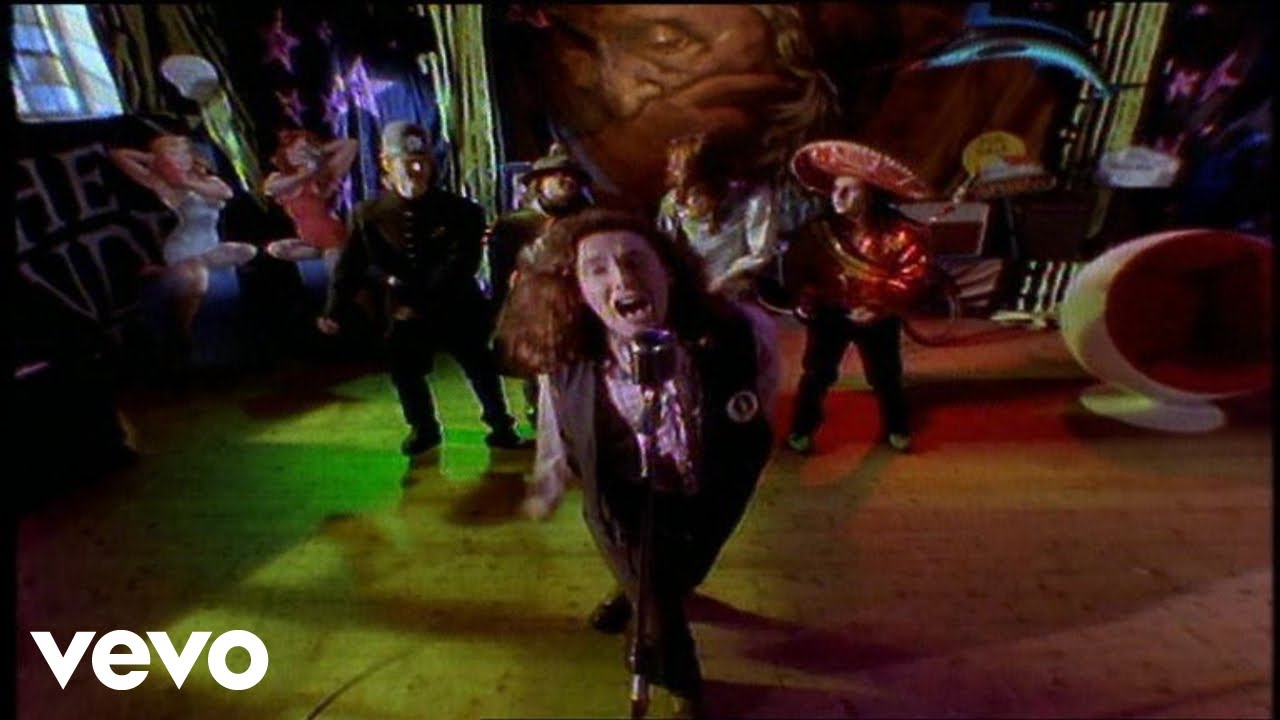
The tracks were put under Mick’s forensic microscope to enable them to develop within themselves and ramp up the intensity.
“I was probably the only musician that was allowed to play the same thing in the second verse that I did in the first as the acoustic was underpinning the song,” says Miles. “But the bassline in the second verse couldn’t be the same as the first – and the same for the bridges, it was all down to Mick’s great talent and attention span that these songs evolved like they did.”
Never Loved Elvis was recorded at London’s famous Townhouse Studio, an exciting and prestigious environment with many fine records and artists to have worked within its walls.
“There was some really beautiful equipment, a lot of history and we certainly felt it, we were fans of The Jam and they made Sound Effects in the same room we recorded Never Loved Elvis,” says Miles.
“We met Kirsty MacColl there, hung out with her and she ended up singing with us, we met Tears for Fears, Holly Johnson, bands like James. We recorded at a time when Prince played Wembley, then a set at Camden Palace, then after that he was supposed to come to the Townhouse to record through the night. We had to be finished by then in case Prince rocked up so it felt like this amazingly creative place to be part of.”
The Size of a Cow is The Wonder Stuff’s biggest song, a classic of many indie discos ever since it reached the upper echelons of the charts in the spring of 1991.
At the time of the album’s writing, the band lived in a flat on Great Portland Street in central London and Miles had to collect a package from nearby Euston. The initial idea for Size of a Cow’s skeleton came into his head while returning to their flat.
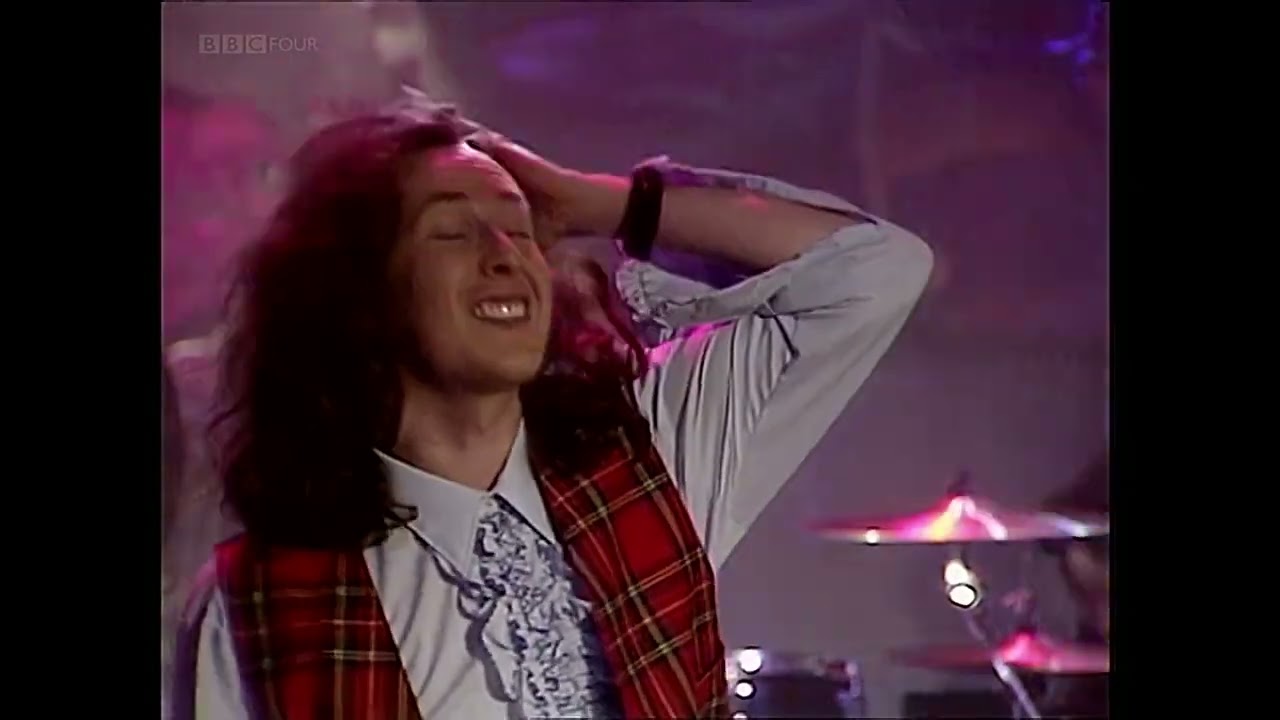
“As I was coming back, I came up with the first verse as it matched the rhythm of my pace,” Miles explains. “I got back to the flat and had to stop Malc from talking to me as I had to keep the idea in my head.
“He was looking at me completely bemused as I was grabbing leads, plugging them into the portastudio that was on the dining room table to capture it. I’ve still got the recording with this piano, then I joined in with the vocals – this became the demo.”
The song was worked on with Mick Glossop who helped The Wonder Stuff come up with the arrangement that makes the song such dynamite.
“Mick suggested that we should have the piano introduction, then go in hard with an instrumental chorus before dropping down into the verse,” says Miles. “We did it, played it live and there were just smiles all round in the studio. Mick called this structure another ‘Wonder Stuff-ism’ that really worked for us.”
The song itself was met with some debate at Polydor with one A&R telling the band it was not worthy of being a single.
“He told us how it would change the band’s trajectory, it could be an albatross around our necks,” Mile says. “But we wanted a radio hit, I thought it would be a great experience to have.”
A fourth album, Construction for the Modern Idiot, followed in 1993 but then Britpop and grunge took over, two sounds Miles was uninterested by. Instead, his passions were for American hardcore acts, then European art bands like Deus who were neglected by the music press.
“The NME and Melody Maker were obsessed with Oasis but I had this job presenting 120 Minutes on MTV,” he says. “I didn’t really pay much attention to US or British mainstream alternative music.”
By the time The Wonder Stuff came back together during the early 2000s, the musical landscape had dramatically shifted.

“The whole idea of singles had just died and we were back to being an indie band by choice,” says Miles. “We weren’t writing pop songs, we’d ventured into more rocky, more angular sounds. It was what we wanted to do and we’ve followed our path ever since.”
The Wonder Stuff have continued to release and tour ever since, with Miles venturing into solo endeavours, writing and other projects. Despite the various spinning musical plates surrounding him, it’s the songwriting process that keeps him captivated.
“As songwriters, it’s all about being curious, staying open to new ideas and influences,” he says. “Songwriting is such a satisfying joyous feeling, I still do it as I want to feel like that again and I keep chasing that creative joy.”
“I’ve had a great life making music, touring the world, meeting many people through the band and have never had to get a proper job. I’m blessed and very grateful for it, writing songs has been the most wonderful thing.”

The Wonder Stuff will be touring the UK to celebrate their 40th anniversary from 1st October.