![Array]](https://backingtracksfullcollection.com/wp-content/uploads/2026/05/1779850244_Array.svg.svg+xml "“It’s a piano chord, but I played it with my arse. I was singing and I just wanted a rest, and the piano lid was open. So I sat and I played that chord”: The Police’s classic breakthrough hit – with the ultimate bum note 18")
First time around it flopped, but when The Police’s single Roxanne was re-released in 1979 it was the hit that set the band on the road to superstardom.
The song was written by singer/bassist Sting after walking around the Parisian red-light district close to the band’s hotel in October 1977, when they were performing at the nearby Nashville Club. An old poster of the play Cyrano De Bergerac was hanging in the hotel foyer and the song’s name was inspired by one of its main characters.
The play was written by Edmond Rostand in 1897 and was based on the life of 17-century novelist Cyrano De Bergerac. As the story goes, Bergerac falls in love with his distant cousin Roxanne but feels his oversized nose would prevent her from loving him.

Sting recalled to The Sun in 2019: “We were staying in a seedy fleapit of a hotel behind the Gare Du Nord, where I conflated the object of Cyrano De Bergerac’s romantic love with the working girls in the street below. The cadence in the bass began to tell me a story that would change my life for ever.”
In another interview for his YouTube channel, he revealed how the group had only one room between them, which they also shared with “les belles de nuit”.
“The song was inspired by the demimondes,” he explained. “But it’s a romantic song in a not very romantic setting. I’m very grateful for Roxanne, who I invented, but she changed my life.”
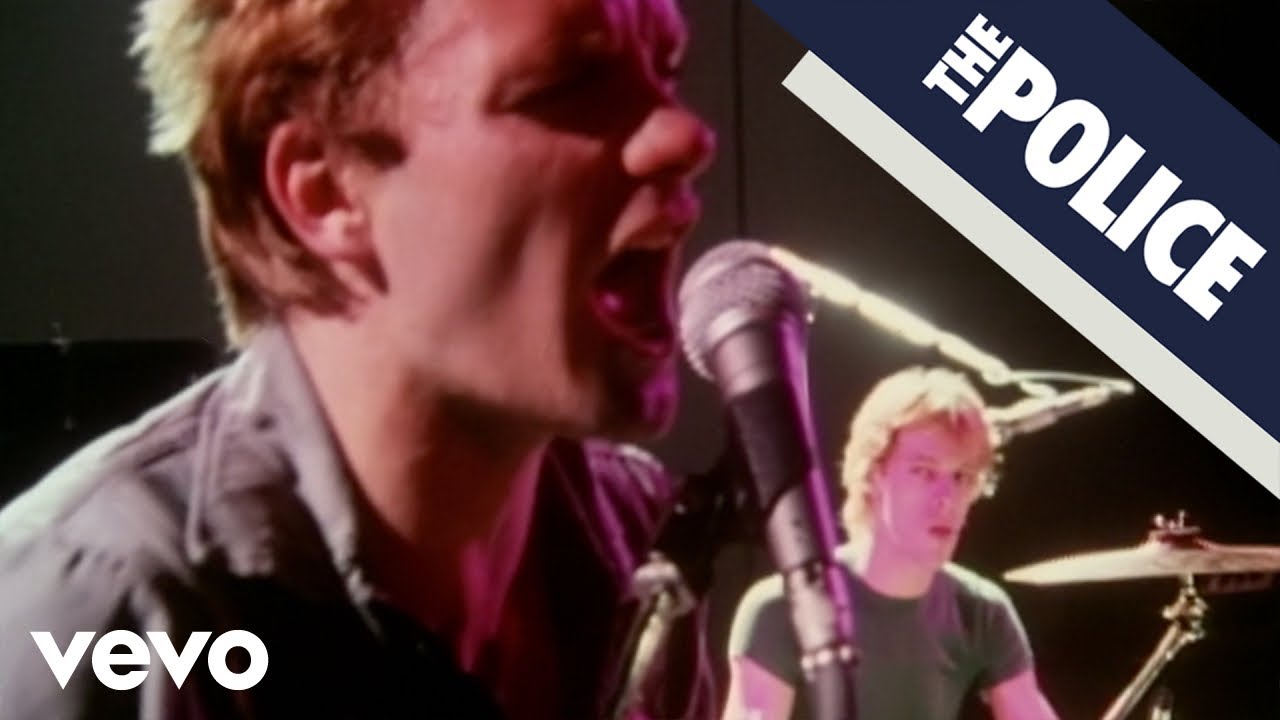
In 2023, Sting told People magazine how “those two conflicting ideas – of this beautiful name and this very, very elegant, courtly romance and what was going on in the hotel – just lit a torch under me”. He added: “I went to my room, picked up the guitar and imagined this woman into life.”
Lyrics like “Roxanne, you don’t have to put on the red light, those days are over, you don’t have to sell your body to the night” tell the story of a man who has fallen in love with a prostitute, in which he begs her not to “wear that dress tonight” and “walk the streets for money”.
This resulted in a ban from the BBC airwaves, with the broadcaster deeming it too explicit. This angered Sting who once stated that “there was no talk about fucking in it, it wasn’t a smutty song in any sense of the word” and argued that “it was a real song with a real, felt lyric, and they wouldn’t play it on the grounds that it was about a prostitute.”
The recording sessions for Roxanne took place intermittently at Surrey Sound Studios in Leatherhead over the course of six months with a meagre budget of £1500 – fronted by drummer Stewart Copeland’s brother and band manager Miles.
The song begins with Copeland’s hi-hat and guitarist Andy Summers’ Gmin triads on his heavily modded Sunburst Telecaster Custom.
During the recording session, Sting accidentally sat on the keys of a piano thinking the lid was closed, which resulted in the atonal chord heard four seconds in, followed by a burst of laughter.
“It’s a piano chord, but I played it with my arse,” Sting explained in 2016. “There was an upright piano right next to me, and I was singing, and I just wanted a rest, and the piano lid was open. So I sat, and I played that chord… it just made me laugh, so it’s on the record. Yeah, it was real.”
The song is in the key of G Minor and performed at 132 beats per minute. During the verses the guitar chords are played staccato in quarter notes and during the chorus sections Summers switches to eighth note power chords that are left to ring.
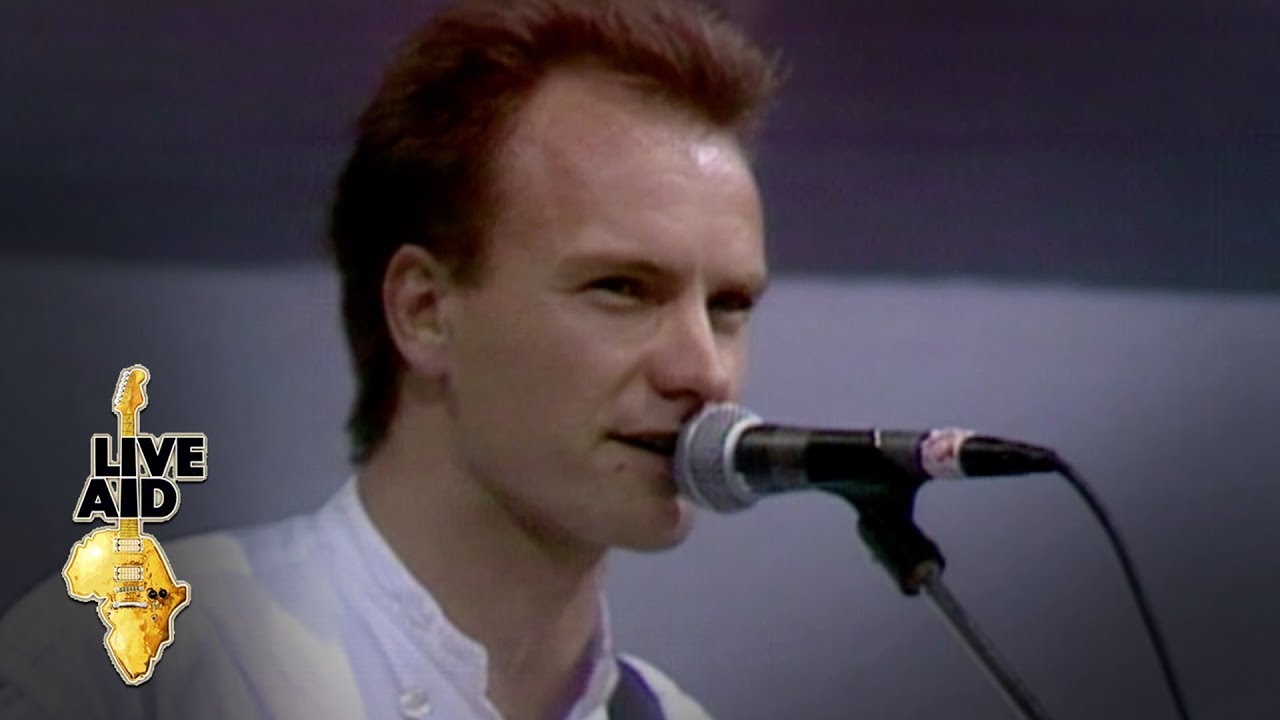
The track was originally conceived by Sting as a bossa nova, but it was Copeland who suggested turning it into more of a tango, thereby chancing upon one of The Police’s defining rhythmic trademarks.
“I believe the first song that had a taste of that was probably Roxanne,” the drummer told Drumeo in 2024. “He [Sting] had this bossa nova. We’re a fucking punk band, what the fuck? So I fucked that all up. He had a nice ballad, a poignant ballad about a prostitute. It was a real simple matter. Let’s play the rhythm backwards.”
Finishing up in top 20s and top 40s around the world upon release, Roxanne helped seal The Police’s stature as future stars in the making.
The song has been covered by an array of artists including George Michael, Lacey Sturm, David Garfield and Fall Out Boy – which shows just how many types of musician it’s gone on to inspire.
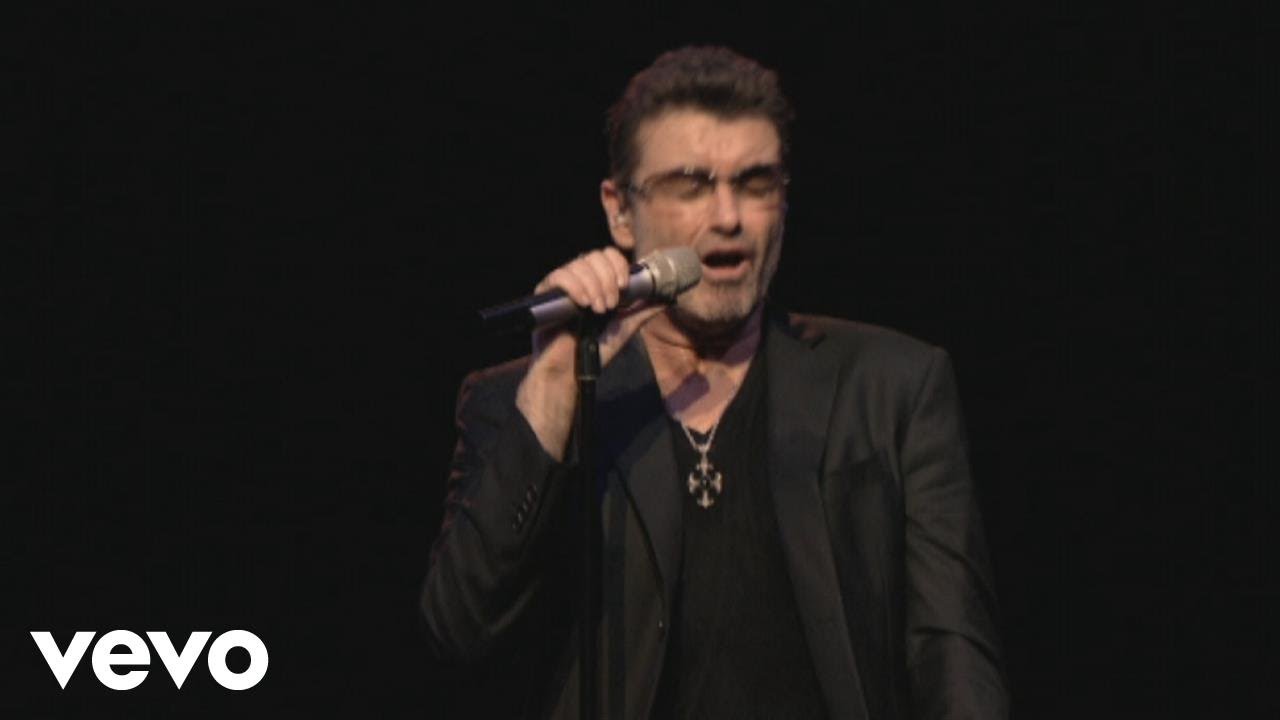
“I sing Roxanne every night,” Sting told Daniel Rachel for his 2013 book The Art of Noise: Conversations with Great Songwriters. “There’s always a little inflection that is new or a possibility that opens it out.”
In reference to performing the track as a solo artist he added: “It’s not my job to reproduce a record that was made thirty years ago. I use that and I respect that, but it’s only a template. It’s that jazz mentality. You use the head of the song just as a starting point.”