
Marty Friedman has spent much of his career celebrating Japanese culture. He kicked that pursuit into overdrive after leaving Megadeth, making a home there and becoming something of a national celebrity beyond the confines of his six-string exploits.
Lately he’s become associated with Rock Fujiyama, which originated as a variety show in the 2000s and found a new online home during the pandemic. “It’s a humble little Japanese YouTube channel,” he says.
“It features hundreds of rare performances with guests that music fans, Japan culture fans, and most especially musicians, will enjoy.
Latest Videos FromGuitar World
“It’s definitely worth wading through the unfamiliar language to get to the unusually juicy guitar sessions. Many of the videos have me doing impromptu sessions with Japanese players of all genres, and some from other parts of the world. It’s a blast playing with all these super players.”
Friedman dialed in with Guitar World to share 12 unique Rock Fujiyama guests he’s had the pleasure of hosting.
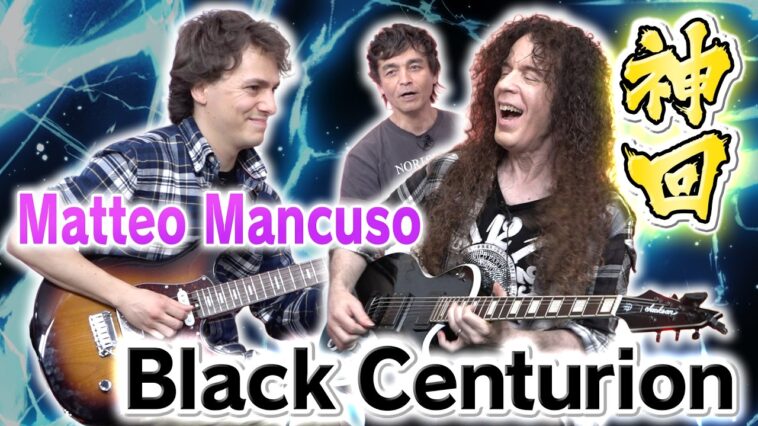
Matteo Mancuso
People are doing themselves a disservice by seeing Matteo just as “the guy with the great fingerpicking.” His graceful fingerpicking is just a tool – a great tool – but his real talent lies in his note choices and his unusually deep grasp of traditional jazz/fusion theory.
I grilled him on his thought processes, which are greatly different from mine. He inquired about how I “tell a story” with a guitar solo. Both of us gained things that day, and it’s great to share that back-and-forth with viewers. I played his song Solar Wind with him; we had a tangible chemistry right out of the box.
Ikkyuu Nakajima

Ikkyuu is in the progressive J-pop band Tricot. Many of the top J-pop artists have a surprising amount of prog elements to their music, although not in the Rush/Dream Theater image of prog that many Western listeners might imagine. Ikkyuu’s use of odd time signatures, unique chords and weirdly enjoyable melody and harmony choices are absolutely addicting.
I’ve been a Tricot fan for years. Recently we started appearing at some of the same shows and events, so I made sure she came on the show. We played the Tricot song Ochansensusu, which has a lot of twists and turns that were super-fun. Lots of “counting while you play” going on!
Mateus Asato
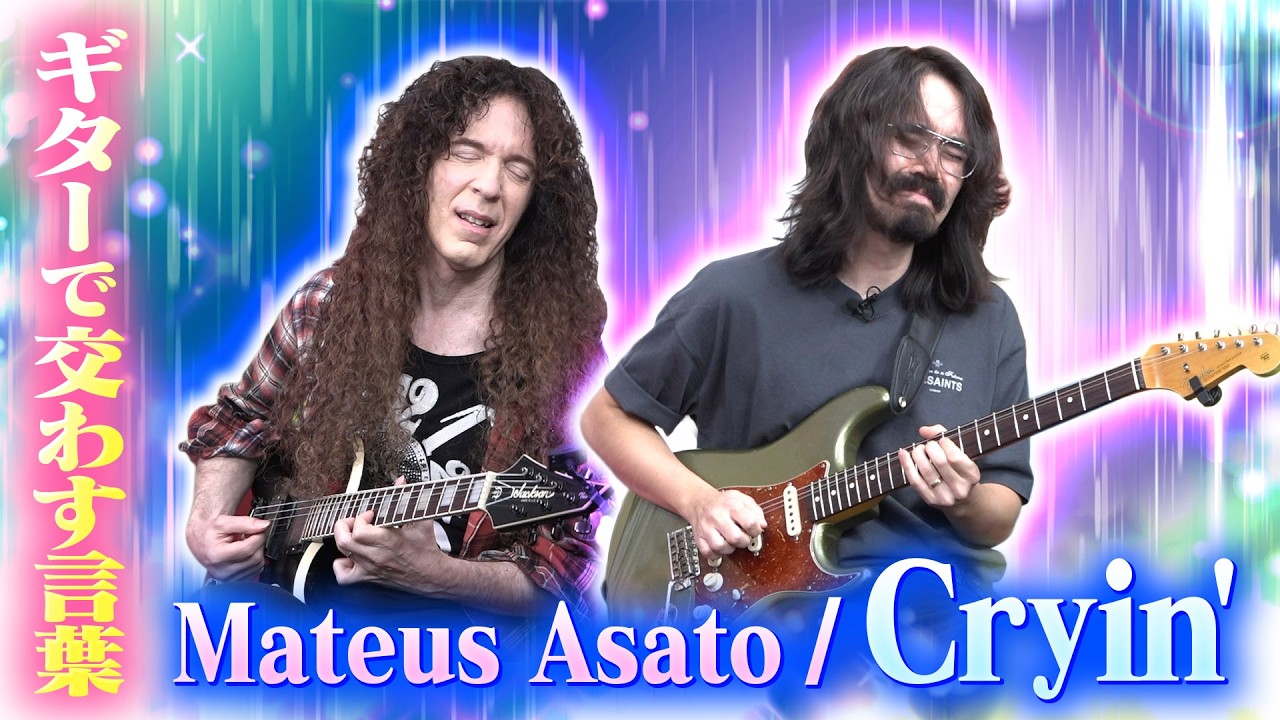
Mateus was a joy to work with. You immediately get a genuine “playing from the heart” feeling with him. He has great control of the sensitivity and touch of what he plays and uses that so effectively. Even though he’s got next-level technique at his command, his playing prioritizes musicality at every turn.
We played his song Cryin’ which, like Matteo’s song Solar Wind, was more fusion-flavored than you’d find on any of my albums. This type of jamming is incredibly liberating – it’s like I’m on someone else’s turf, which allows me come up with lines and melodies that I normally wouldn’t.
Lisa-X
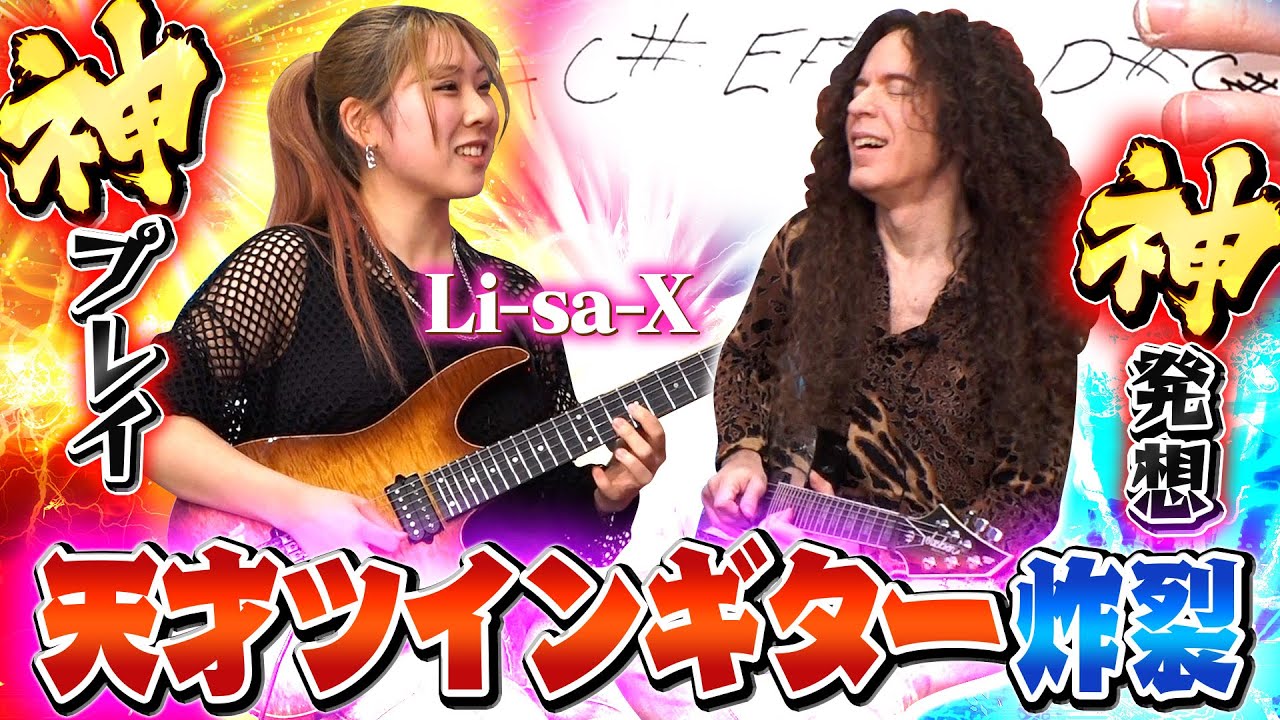
Lisa-X turned a lot of heads at a very young age, doing note-for-note covers of flashy songs by players like Guthrie Govan and that exclusive ilk. Of course, at 13 or so, she wouldn’t have the finesse of the original players she mimicked.
But to the mainstream person, seeing her play all the notes correctly and in time, was impressive, far outshining any lack of nuances that only professional players would notice. She was featured on TV a lot to oohs and aahs and continued to grow upward into a genuinely special player.
Now she’s with her own band, Koiai, which focuses more on their songs rather than her freakish ability to copy challenging works of other players. On Rock Fujiyama, it was her idea to step up to the challenge of playing my song, Inferno, right in front of me – she made light work of it, despite it being quite a finger-twister.
Bradley Hall
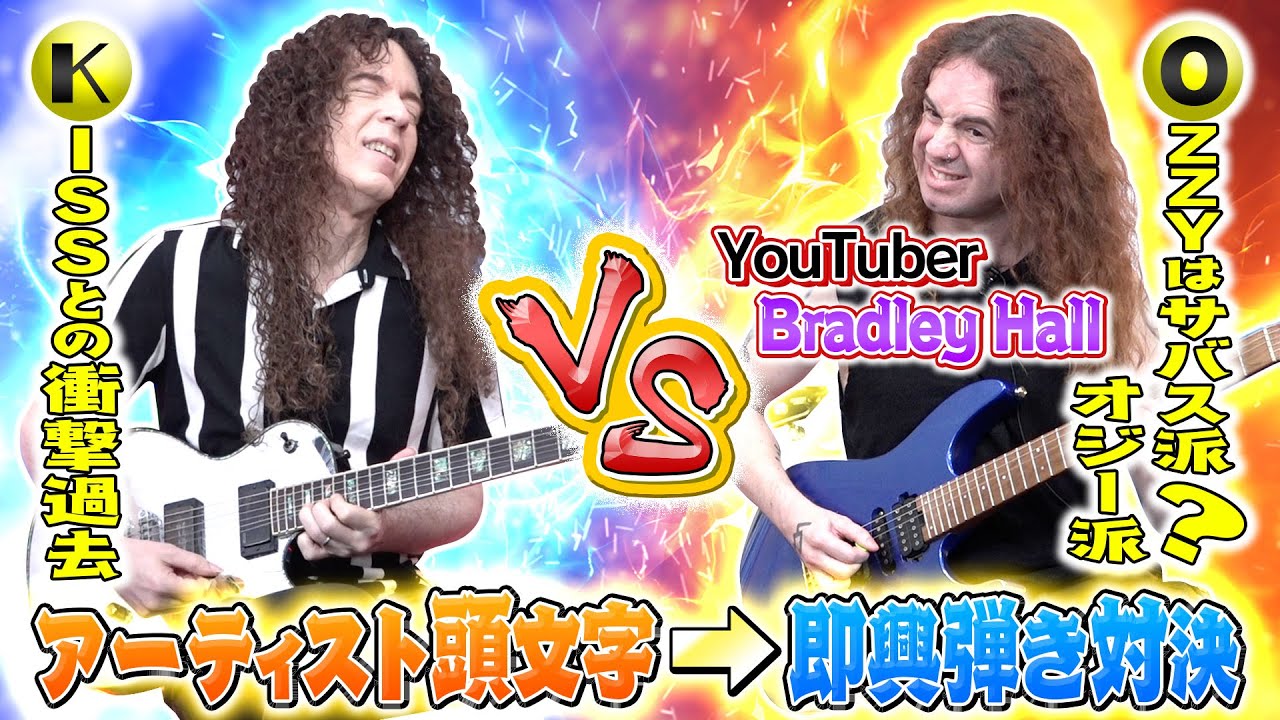
I’m a huge supporter of YouTube guitar content creators. It is so much more involved than just being an impressive guitarist. Constantly coming up with fun content and self-producing it is a ton of work that most guitarists would shudder at.
They’re highly responsible for inspiring so many people to experience the unique joys of playing guitar. Despite a non-guitar-friendly Billboard chart, Bradley is super-talented not only on the instrument, but in discovering ways to make otherwise boring content fun, educational and entertaining.
I don’t remember much of what we talked about but I remember it being super-nerdy, with lots of funny and worthwhile guitar talk. If I’m honest, I think we could have done better if we weren’t confined to the Fujiyama format, which is pretty much live, with way less editing than Bradley is used to. But it was still packed with gems.
Kotaro Oshio
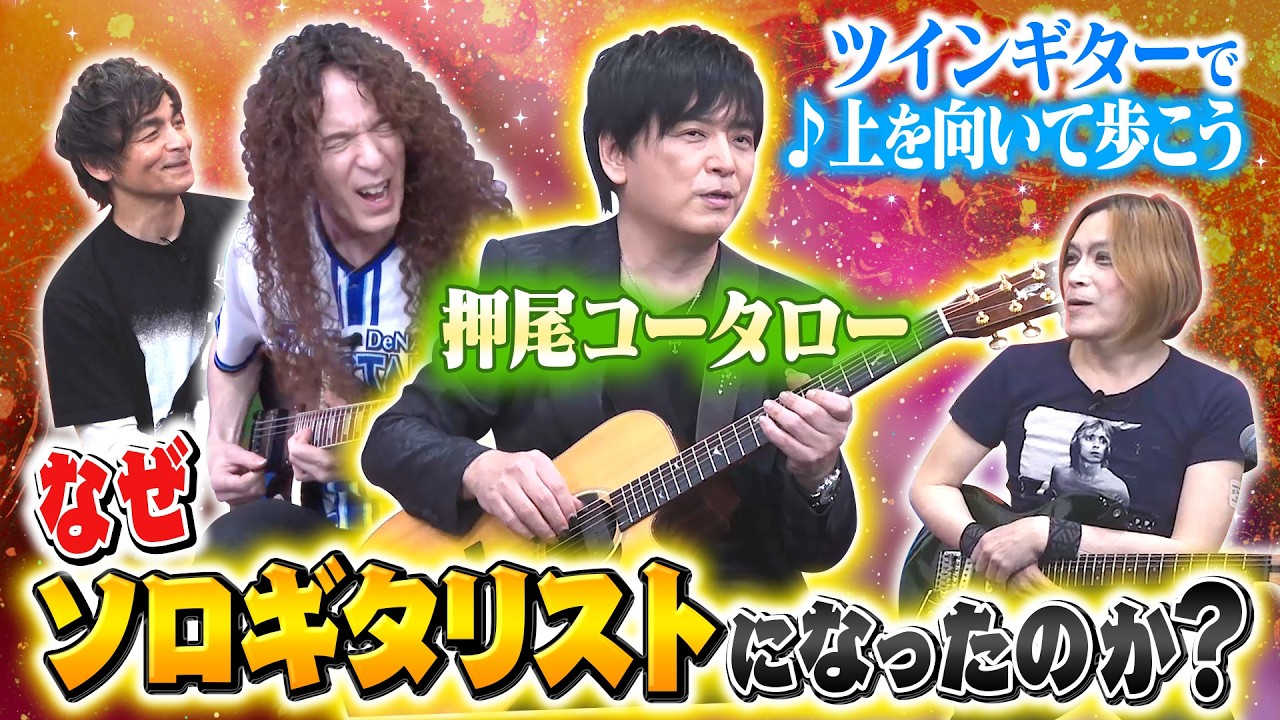
Kotaro Oshio is a famous, much admired acoustic guitarist in Japan who’s known for his mellow sounds and sensitive touch. I’ve always loved his glassy tone, which the YouTube recording doesn’t do justice to. We did a Japanese ballad, I Love You, arranged for electric and acoustic guitar.
Playing over his smooth backing is a treat. At the end of the song, I just sustain a seemingly endless long tone while I sit back and listen to his sweet chord work.
Naoki Morioka
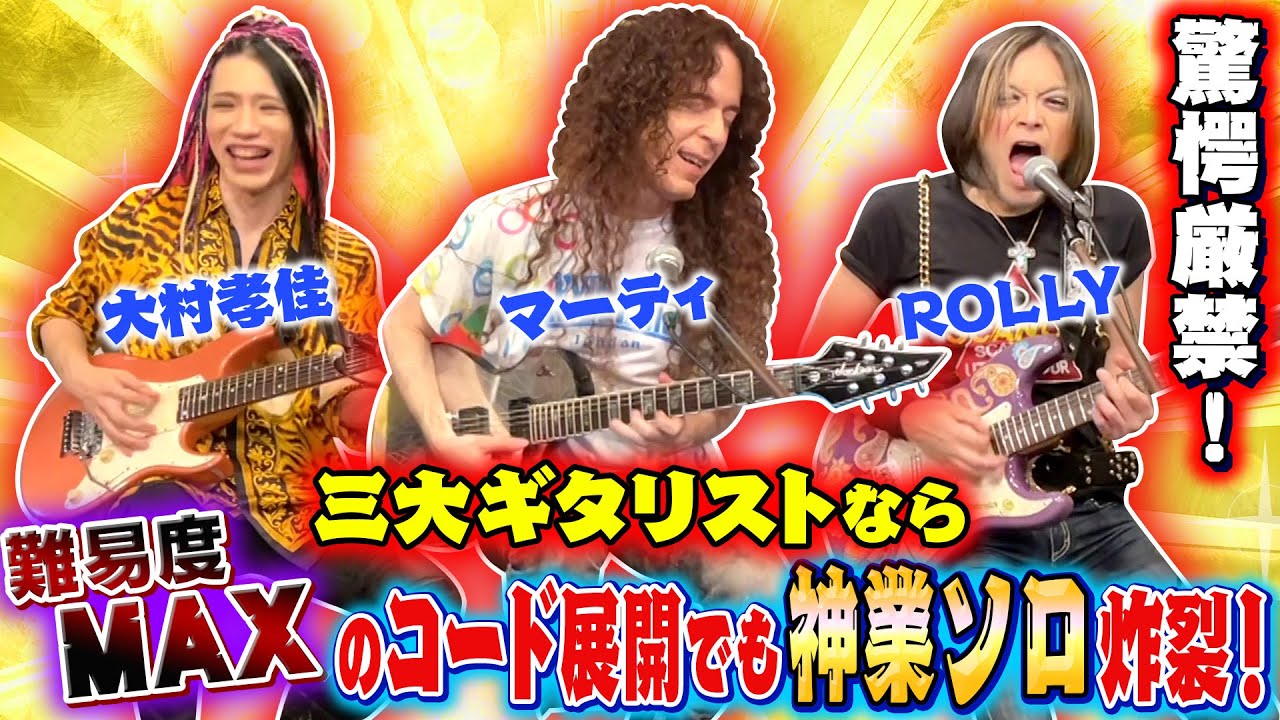
Naoki Morioka is in my band, so it was a no-brainer to get him on Fujiyama. He’s the ultimate band member – he knows my entire catalog, backing and solos – and he’s always prepared to play parts that would require me to go back and relearn.
When you have a guy like that in your band it’s liberating, because you know you can do anything live with no limitations. Naoki loves the guitar as an instrument in general, way more than I do. He’s constantly scouring the internet to find new and challenging techniques to add to his already deep arsenal.
He has his own band and releases his own solo music, which is very progressive – so hard to play, in fact, that I had him go on the show by himself because it would have taken forever for me to learn all of the tricky parts and do them justice. Fans of my band love him!
Shinji Wajima
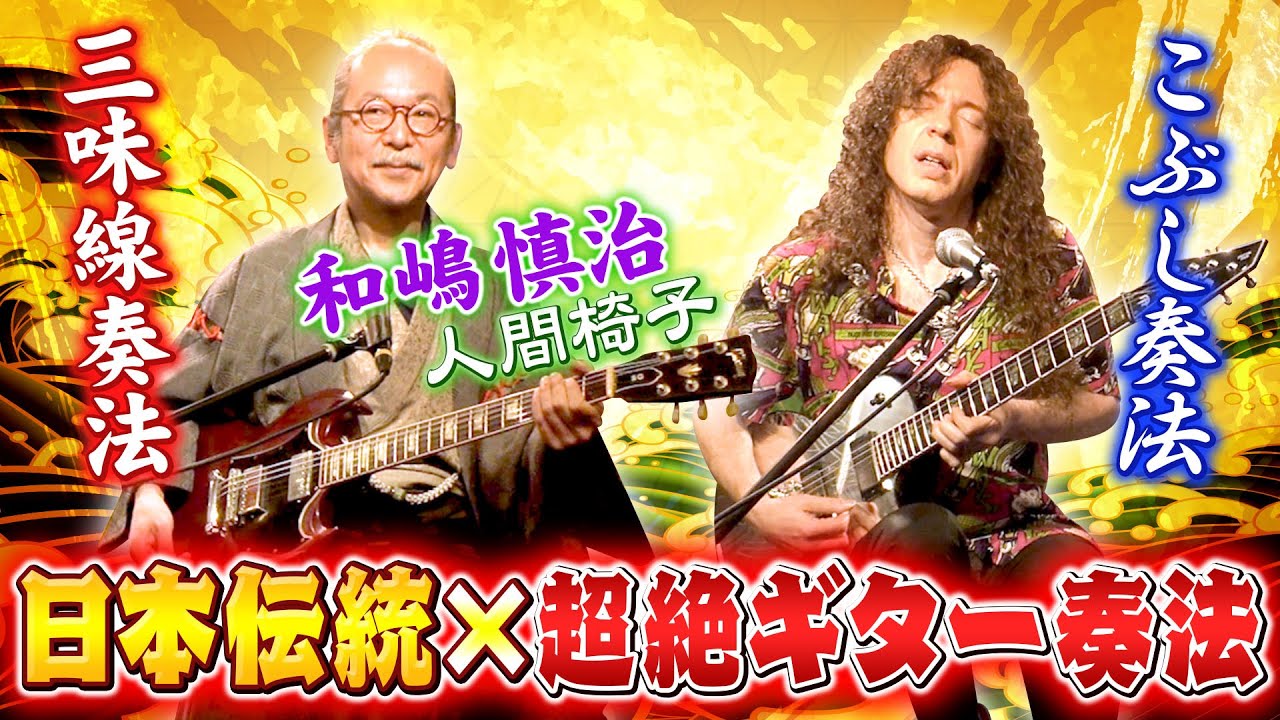
Ningen Isu are a very heavy Japanese band, like a modern and doomy Black Sabbath with very dark Japanese motifs. The guitarist, Shinji Wajima, is extremely knowledgeable about the Japanese instruments he was influenced by, and showed us some cool shamisen-inspired guitar work.
I wish this episode was in English, because the content would be very fresh to guitarists around the world. I also think fans of heavy music would soon get addicted to Ningen Isu. The common ground he finds between traditional shamisen phrases and typical blues-rock solo phrases is a perfect example of East meets West.
Ichika Nito
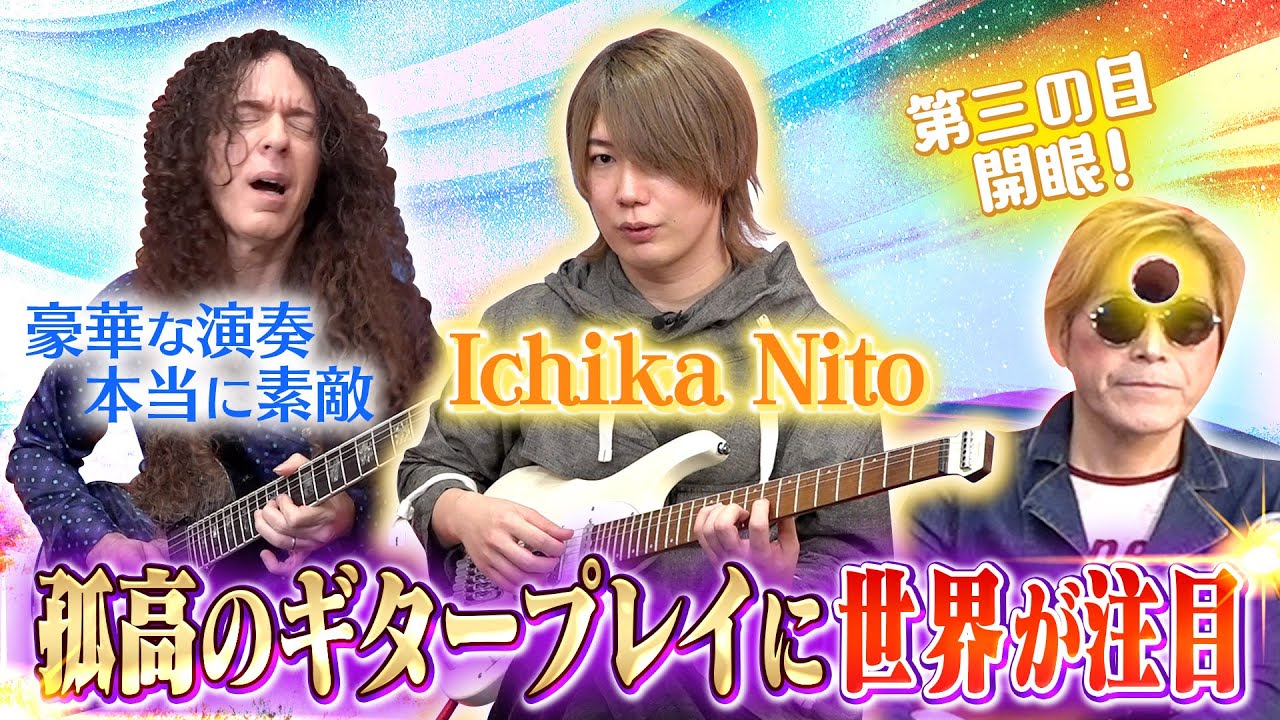
Ichika has a big worldwide following, and his style squeezes elements of modern progressive guitar through his uniquely Japanese filter. The techniques sometimes resemble Tim Henson on steroids, but the fancy fingerwork exists to support his wistful melodies in a vastly different way.
We played some of his songs together on Fujiyama, which were good fun, but the music video of the song we wrote together for Neural DSP is a much better representation of what happens when two completely different artists collide and bring hidden things out of each other.
We’ve done many shows and projects in Japan and China, and it’s just as much of a joy to watch him play as it is to jam together. He’s a consummate musician and a true artist.
Takayoshi Ohmura

Takayoshi Ohmura is one of the flashiest and most skillful guitar players in Japan. He was in my band for seven years, and like Naoki Morioka, he makes light work of my complex arrangements, backing parts and harmonies.
I met him when he was a teenager and I was giving a clinic at MI Osaka, where he was a student. I knew he had something special even then. He has his own band, and he played in BabyMetal’s Kami Band for many world tours.
He does seminars around the world and people are stunned at his abilities. His stage presence and ease of playing guitar are rare, especially in Japan, where many players who do difficult things are more reserved and studious-looking. On Fujiyama, we play one of my songs that we used to do together on tour, and you can easily see the fun chemistry.
Hal-Ca
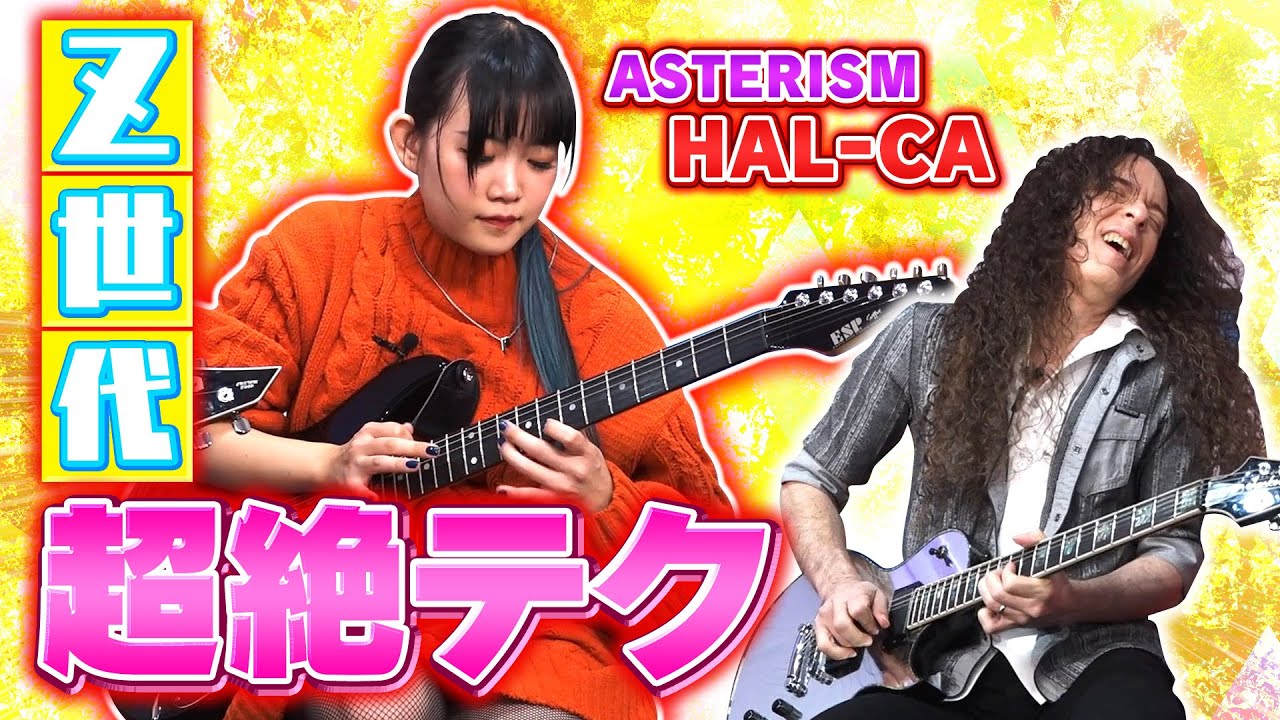
There are a lot of super female rock guitarists in Japan, but if I was forced to choose a favorite it would be Hal-Ca. Her band is called Asterism, and we’ve done a lot of cool things together, notably performing the song Gyutto, which we wrote together on Sony’s The First Take video series.
Hal-Ca is an extremely aggressive heavy metal player, with a precise machine-gun right hand for rhythm that I wish I had. Her soloing is wild, well thought out, and performed with ease and abandon. Hal-Ca will be doing some shows with me as my second guitarist on tour, and that requires some pretty high-level abilities.
On Fujiyama, we played one of her Asterism songs, Stars, and it reminded me of playing with Jason Becker. She does all the guitar things I don’t do – like tapping and whammy bar stuff – but does them in a way that I like, which is saying a lot. Asterism are a power trio unlike any heavy metal three-piece you ever heard.
Ami Inoi
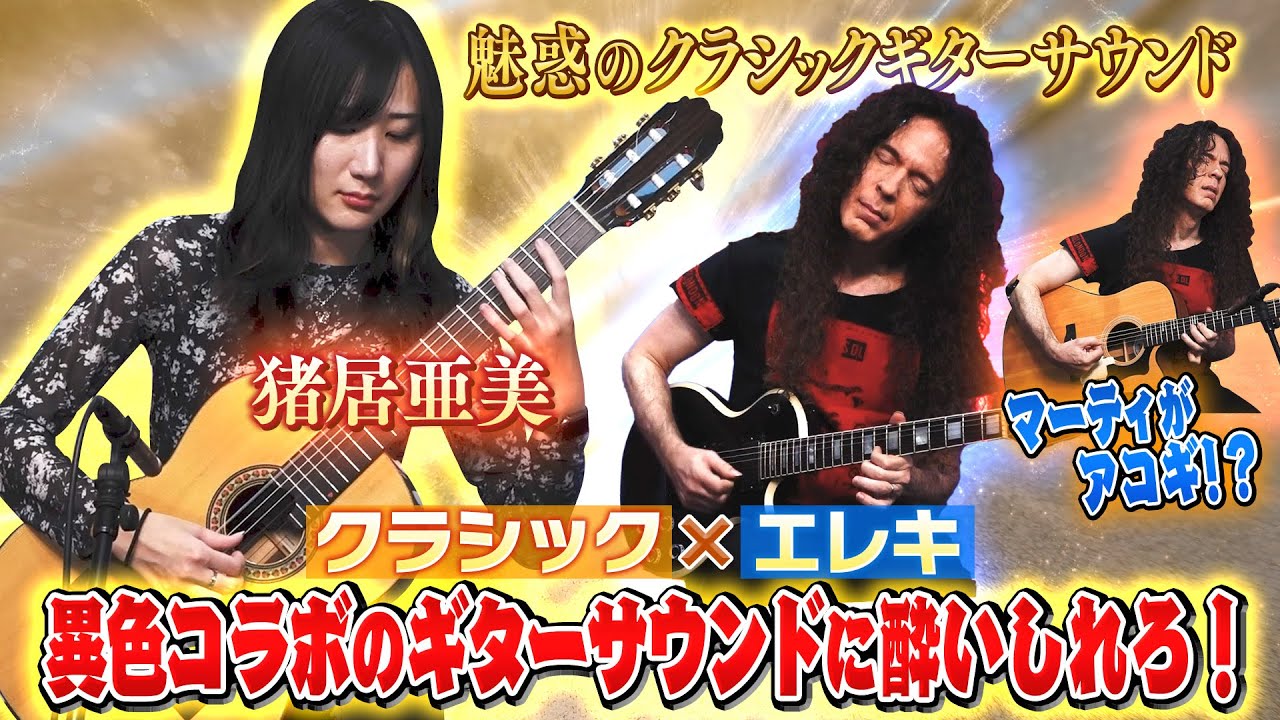
Ami Inoi is a world-class classical guitarist who slummed it with us on Fujiyama for some interesting performances. I’ve done several events with her, and when she plays the sonata by Leo Brouwer it’s hard to keep your jaw off the floor. We played Cafe 1930 by Astor Piazzolla and Bistro Fada by Stephen Wrembel on Fujiyama, and it was a joy to play these beautiful songs with such an accomplished gut string player.
Bistro Fada was particularly strange because neither of us is what you would call a “gypsy jazz” guitarist. You might listen to it and say it sounds fine, but if you compared it to players who live and breathe gypsy jazz guitar, you can easily hear a universe of difference.
But that’s one of the fun things about Rock Fujiyama – it’s a rare chance to step way out of your comfort zone and take a few risks in front of people. Sometimes happy accidents happen, sometimes not. But it’s just jumping in and just doing it that helps you grow, at whatever musical level you might be at. And occasionally, when magic moments happen, it’s the best.