
![Array]](https://backingtracksfullcollection.com/wp-content/uploads/2026/05/1779850244_Array.svg.svg+xml "“I decided to give up the guitar when I heard Eric Clapton, the way people are put off playing tennis when they watch Roger Federer”: Jethro Tull legend Ian Anderson on why he plays the flute – and why Ritchie Blackmore is ‘definitely not mad’ 18")
In 2008, Jethro Tull frontman Ian Anderson received a prestigious award from Queen Elizabeth II. He was made an MBE (Member of the Order of the British Empire) for services to the music industry. But as he revealed two years later, he very nearly turned it down.
He wouldn’t have been the first rock star to snub an honour from royalty. Keith Richards did so, as did David Bowie, George Harrison and Brian Eno.
But in the end, Anderson accepted the MBE, albeit with reservations.

As he told Classic Rock in 2010: “I came very close to saying I couldn’t accept it. My problem was that I was very much opposed to some of the policies of [then UK Prime Minster] Tony Blair during his regime, and my award had been decided under a Blair government.”
He added: “I’d like to think that the MBE was awarded for my efforts in having musicians’ copyright recognised, rather than for making rather too much money out of playing the flute for many years.”
Anderson is of course the most famous flautist in the entire history of rock, and equally famous for playing the instrument while standing on one leg.
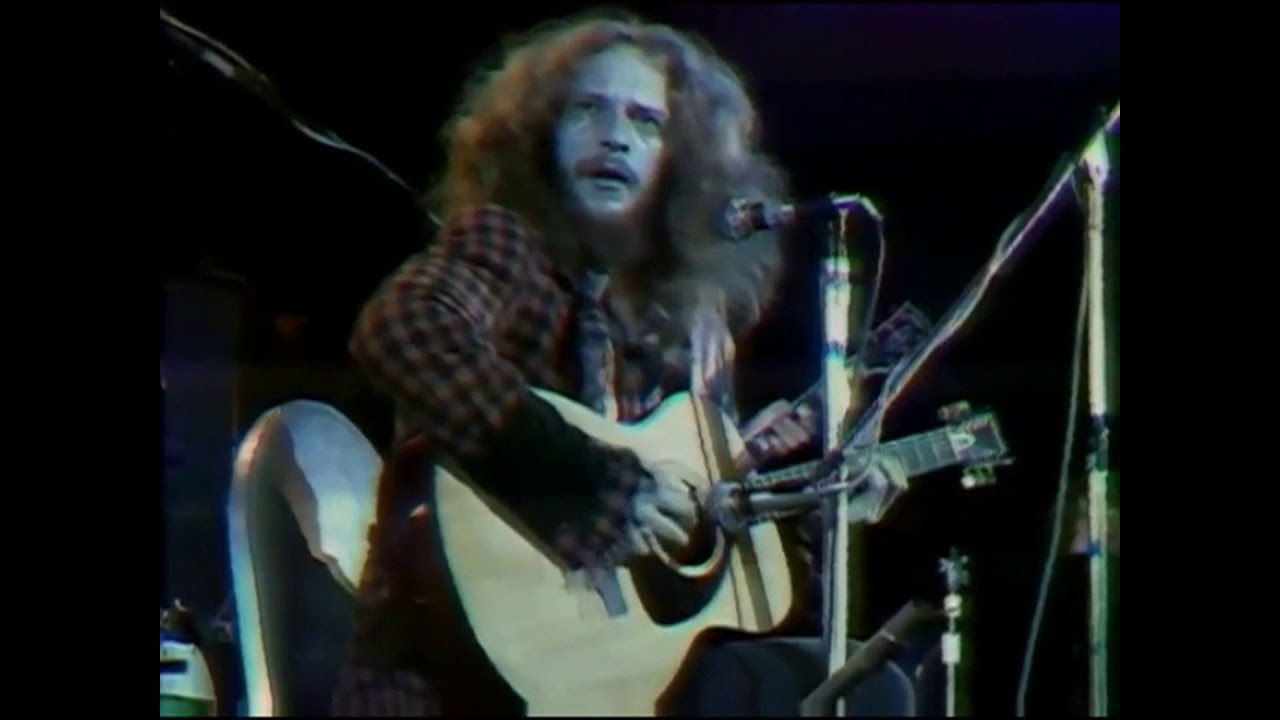
In that 2010 interview he explained why he chose to play the flute in the first place.
“I started off with the guitar,” he said, “but I decided to give it up when I heard Eric Clapton, the way people are put off playing tennis when they watch Roger Federer. I found the flute gave me something very interesting melodically.”
Asked what else he could do on one leg, he replied: “I can hover in a rather interesting way!”
More seriously, he said: “Playing on one leg is a very stilling and focusing way of achieving balance, physically and mentally. And of course it’s a visual trademark, a bit of a moment for the audience.”
In the 1990s, Anderson played flute as a guest musician on albums by two similarly idiosyncratic artists – former Deep Purple and Rainbow guitar hero Ritchie Blackmore, and Led Zeppelin-endorsed folk singer Roy Harper.
In a radical departure from the heavy rock music he pioneered, Blackmore created the group Blackmore’s Night with his singing wife Candice Night to perform what is broadly described as “neo-medieval folk rock”. Anderson featured on the song Play, Minstrel, Play from the 1997 debut album Shadow Of The Moon.
Much was made of Blackmore’s eccentricities, but Anderson stated: “I don’t know Ritchie terribly well, but he’s far from dotty. He’s always had an interest in medieval music, and has cited Jethro Tull circa 1974 as being very illuminating.
“Ritchie certainly has a fondness for dressing up in what I believe they call ‘garb’. It’s a bit Men In Tights – he looks like Errol Flynn as Robin Hood. But it’s slightly tongue-in-cheek.
“Ritchie is not someone who is palpably comedic. His sense of humour, it has to be said, can be cruel. But he’s definitely not mad.”
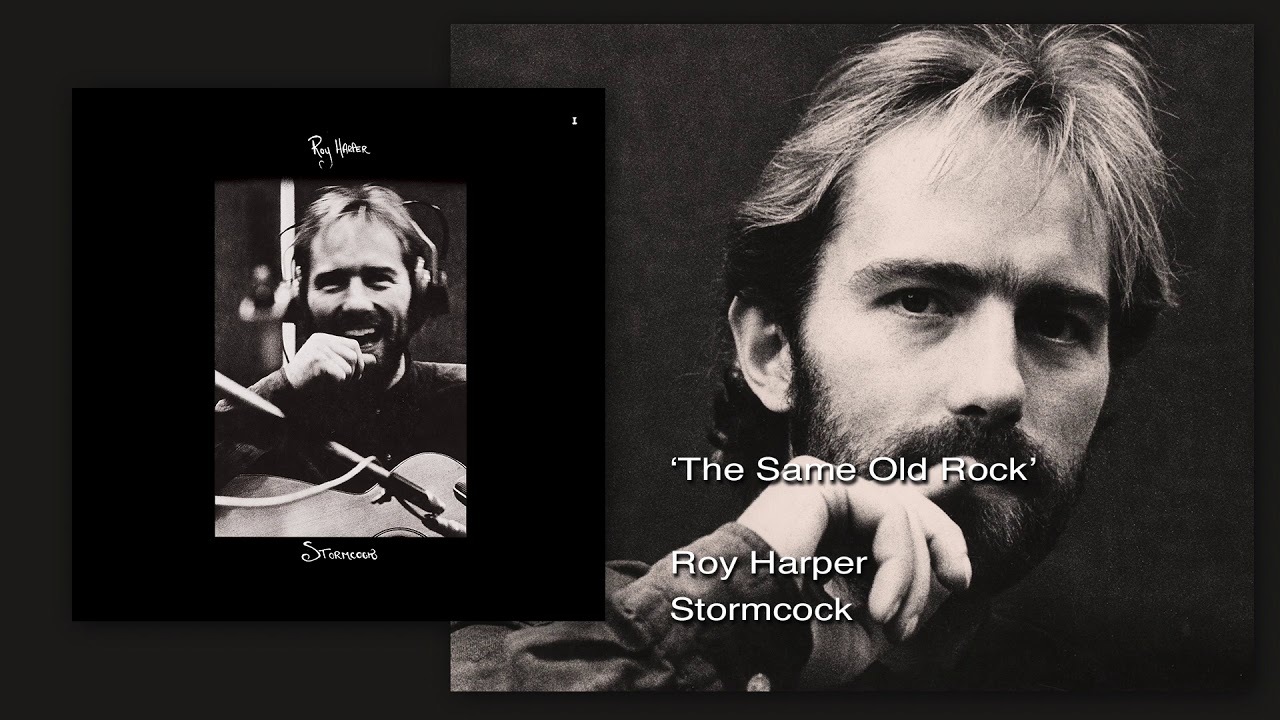
Anderson’s collaboration with Roy Harper was on the latter’s 1998 album The Dream Society.
Anderson said that the folk influences in Jethro Tull were in part derived from Harper.
“I first became aware of folk music when I was at grammar school,” he said. “When I first heard Bob Dylan, I didn’t really take to him at all, but I was aware of this thing that was called the folk revival. It was called modern folk in the UK to separate it from traditional folk, be it Irish, English, whatever.”
He continued: “People from the folk tradition were now writing their own songs, people like Roy Harper and Bert Jansch. This was contemporary folk. That caught my attention, and Roy Harper was someone we bumped into here and there.”
As for what drew him to folk music, Anderson explained in a roundabout way: “I was immediately immersed in the world of European realities in the early days of the EU, learning that we Brits were really part of Europe – we had more to do with Europe than we had to do with the Americans, who were only third or fourth generation Europeans anyway, apart from the tribal nation conquests.
“So I always felt very connected to Europe from the early ’70s onwards. And that I think reinforced my musical inclinations. I was fond of the great composers – German, Italian, Austrian. And by extension, European folk music was something I felt more akin to than American blues.
“I still revere blues music to this day. I play things by Muddy Waters and Sonny Boy Williamson just to remind myself of where my musical voyage began as an aspiring professional musician. But I think really it’s the European stuff that always got to me.”
![Array]](https://backingtracksfullcollection.com/wp-content/uploads/2026/05/Array.svg.svg+xml "Stop buying new gear and fix your actual playing instead – our number 1 rated online guitar lessons just crashed to a $99 low, meaning almost endless tuition for only $8.25 a month 28")