
As one of his best-known compositions outside of The Police, 1993 track Fields Of Gold by Sting is a romantic pop ballad that showcases his more tender side.
It would serve as one of seven singles from his fourth solo album Ten Summoner’s Tales, which was recorded at Lake House – an Elizabethan country manor built for wealthy clothier George Duke in 1578. The tracks, featuring a core band of Dominic Miller on guitar, David Sancious on keyboards and Vinnie Colaiuta on drums, were then mixed at The Town House in London and then mastered at Masterdisk in New York.
The lyrics to Fields Of Gold were inspired by a house bought by Sting and the harmonious countryside surrounding it. The single was released the year after he married actress, director and producer Trudie Styler, who he would have four children with.
Latest Videos FromMusicRadar
“So about 35 years ago, I did a cliché, ” he once told an audience from the stage. “English rockstar makes some money. I bought a little house in the English countryside. It was more of a castle, really. What’s nice about this house is that it’s quite close to Stonehenge.”
He continued: “The other nice thing about this house is that it’s surrounded by barley fields and at harvest time it looks like you are surrounded by a sea of gold. One day I thought, ‘You know what, there’s a song here’.”
In his 2007 book Lyrics By Sting, he explained that “there’s something inherently sexy about the sight, something primal, as if the wind were making love to the barley.”
He added: “Lovers have made promises here, I’m sure, their bonds strengthened by the comforting cycle of the seasons.”
In 2023 he told People magazine that he always thinks about “Trudie and the kids when they were younger when I sing that song”, describing it as “a lovely memory for me”.
He also explained how its romantic nature would often lead him to inviting a couple on stage to dance along during live performances.
The lyrics are semi-autobiographical – telling the story of a couple who fall in love so strongly that they “forget the sun in his jealous sky” and eventually “see the children run as the sun goes down”.
Some fans also believe the lyrics touch on the subject of death, with the narrator telling his lover that “you’ll remember me when the west wind moves upon the fields of barley”, as if to say their shared love is more powerful than life itself.
The song is in the key of D major and performed at around 104bpm. On his official website guitarist Dominic Miller confirmed he used a Guild Paloma nylon-string electro-acoustic for the recording, as well as a touch of chorus. The same guitar was also used on follow-up single Shape Of My Heart from the same album.
Miller’s higher-string arpeggios can be heard very faintly during the intro and then match the vocal melody after the second verse with a more pronounced space in the mix. The volume increases just after the two minute mark where Miller’s guitar effectively replaces Sting’s voice by delivering the main melody.
The guitarist also chose to rerecord the track for his 2017 solo album Silent Light and regularly performs the track live with his band.

“I have been playing Fields Of Gold in my solo set for a few years mainly because I like it and because it sits well in my repertoire,” Miller told All About Jazz in 2017. “Also I felt it was important to include a Sting song because my career has kind of been defined by that association so it’s a way of acknowledging and thanking him.”
In a 1998 interview with Guitarist magazine’s David Mead, Miller admitted that he was “playing more with fingers now” because “it’s like you’re working the guitar” and ultimately “you get a better sound”.
He also added: “I think a nylon string cuts through much more than an electric. The only dilemma I have on stage is where to use nylon strings. I have to ask, ‘Does this song really need it? Am I just using it because this is what I do?’ I play it when I think it needs to be there.”
Despite becoming one of Sting’s most popular solo tracks, Fields Of Gold only reached No 16 in the UK charts and peaked at No 23 in the US.
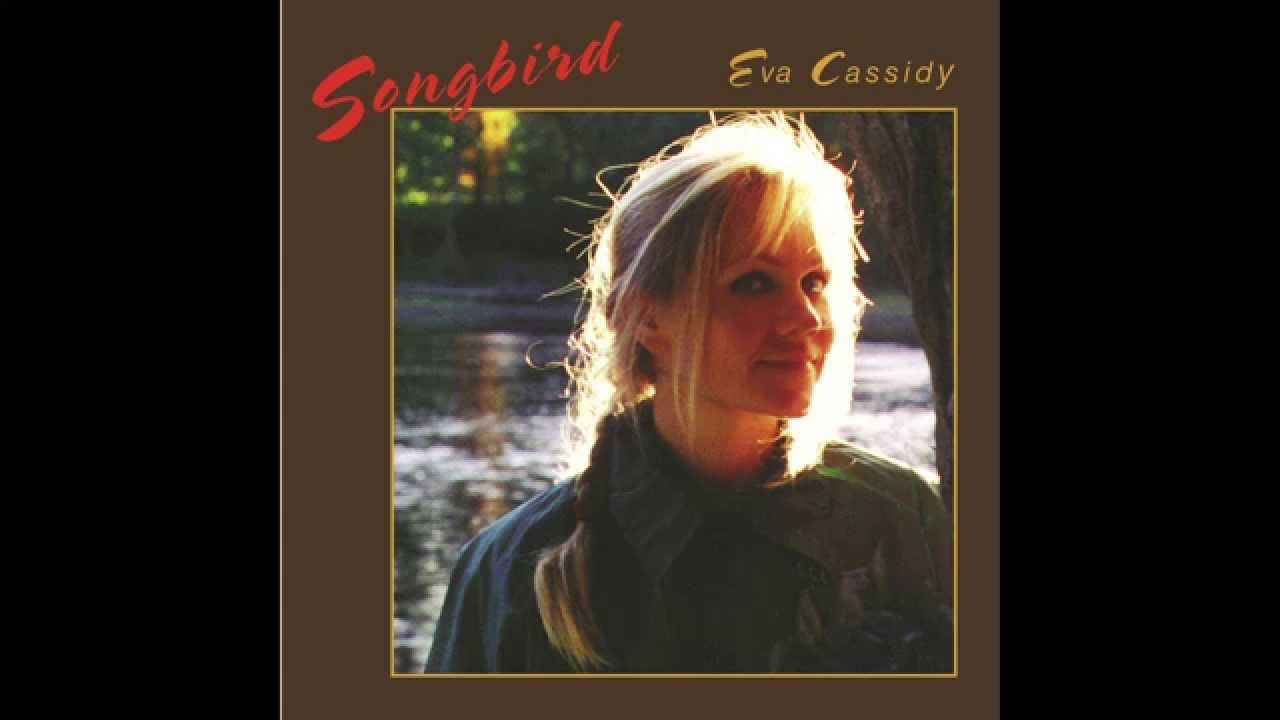
The song’s influence, however, stretches far indeed – as demonstrated by cover versions from artists as varied as Eva Cassidy, Ellie Goulding, Katie Melua, Pink, Cliff Richard with Sir Barry Gibb and Michael Bolton as well as Tommy Emmanuel with Mike Dawes.